Oasis documentary teaser turns reunion nostalgia into a test of trust
The first glimpse of Don't Look Back in Anger must prove the Gallaghers' reunion story is earned rather than merely monetised.
Sophie Bennett
Writer ·
What happened
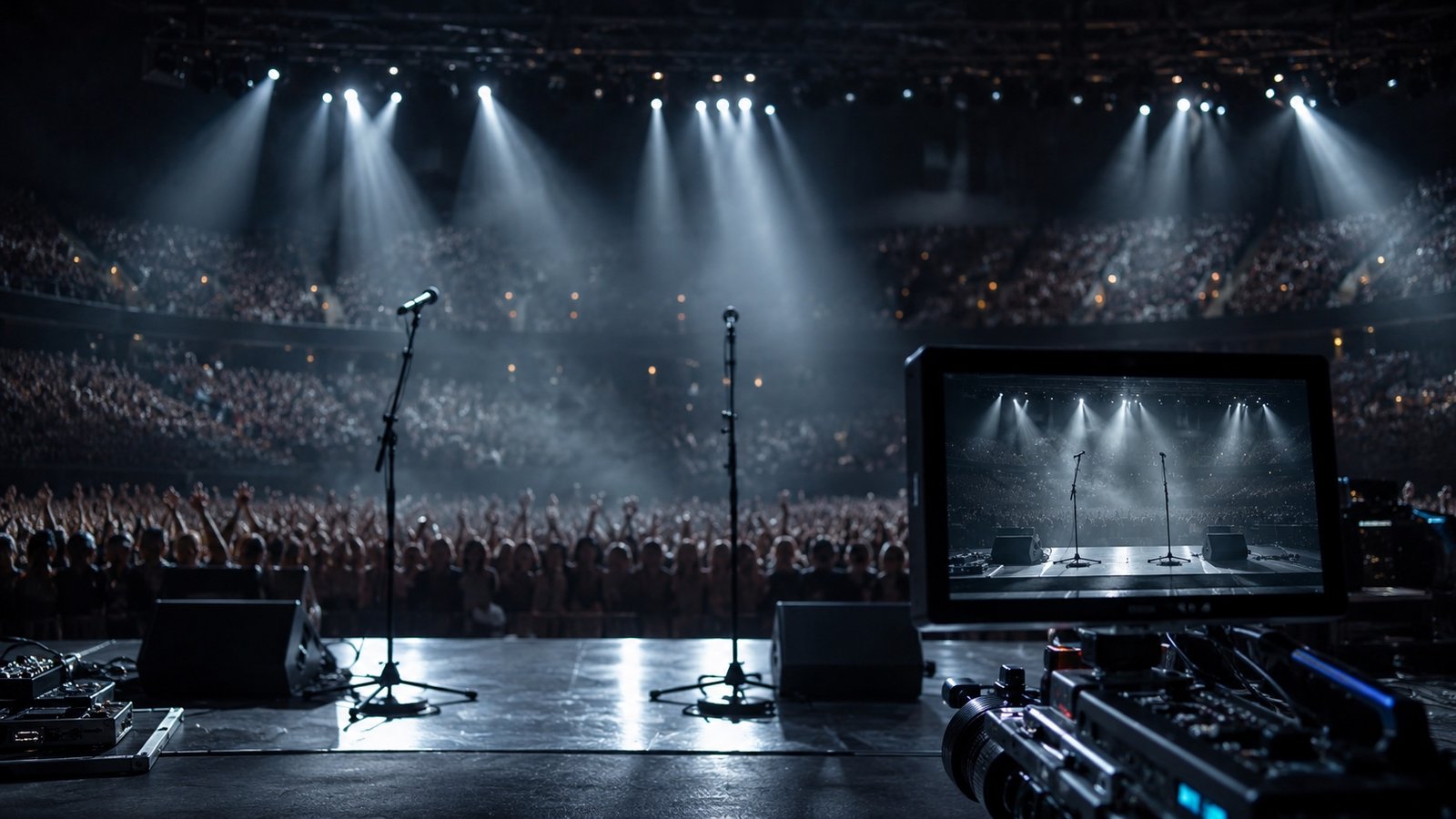
The first teaser for the forthcoming Oasis documentary Don't Look Back in Anger has been released, and according to Rolling Stone Australia it blends crowd scenes, rehearsal material and voiceover from Noel and Liam Gallagher reflecting on the distance between the band's rupture and its reunion. Forty-five seconds of footage would not normally justify this much attention; with Oasis, whose legend was built as much on volatility as on choruses, it does.
Why it matters
Reunion documentaries have to solve two problems at once: give fans the emotional charge of proximity, and build a credible account of why the story changed. With Oasis the question was never whether the songs still travel — they do. It is whether a film can make the return feel earned rather than merely monetised. The teaser's grammar suggests its makers understand that the unresolved history is the asset: not a clean reconciliation, but a managed transition from impossible to maybe inevitable.
The emphasis on rehearsal footage is, in our view, the most telling detail. Applause is cheap; rehearsal is where comeback claims either start to look real or start to feel staged. The most persuasive evidence in any reunion film is the work itself — a cue understood, a song re-entered, a performance machine turning over again.
The counter-view
The risk is the one that haunts the whole genre: music documentaries flattening conflict into destiny, trimming difficult relationships into tidy arcs that serve a tour or a platform release. That would be a particular mistake here. Oasis were never just a vehicle for songs; they were a public argument about family, fame, class and British guitar culture. Strip the friction out and the reunion loses the very thing that made it dramatically legible. The title itself carries both an instruction and a warning — anger was part of the band's fuel, and a serious film cannot pretend otherwise.
What happens next
The full documentary will land in a crowded market, but band history with genuine tension still cuts through, and expectations are now set accordingly. A thin promotional film would satisfy casual curiosity for a weekend; a stronger one could become part of the band's permanent archive. Oasis do not need a documentary to prove their importance — the catalogue does that. What Don't Look Back in Anger must prove is subtler: that the reunion is a new chapter capable of admitting what broke, what lasted, and why the audience still cares.
Sources: reporting by Rolling Stone Australia.
The NE Times is an independent news and analysis publisher. Our articles combine factual reporting with clearly-written, impartial analysis. Content is for general information and does not constitute professional advice. Disclaimer.
You may also like to read

Wonderwall Becomes England's World Cup Anthem Because Football Still Needs Shared Rituals
Oasis's 1995 hit has become the unofficial soundtrack to England's 2026 World Cup run, a fan-led ritual no marketing committee could manufacture.
Swift and Kelce Marry at Madison Square Garden — and Redraw the Map of Celebrity News
Taylor Swift and Travis Kelce's Madison Square Garden wedding, officiated by Adam Sandler, shows how pop, sport and fandom now share one attention economy.
Backrooms Goes Home: The Viral Horror Hit Faces Its Streaming Audit
A24's $81.5m internet-born horror phenomenon arrives on premium VOD on 7 July — the next test of whether viral fandom can outlast the opening weekend.

Minions Edge Toy Story in a July Fourth Weekend That Reveals the Market's New Rules
Minions & Monsters topped the US chart with $36.4m over Toy Story 5's $31m — a win with caveats in a tighter, more international summer box office.