Wonderwall Becomes England's World Cup Anthem Because Football Still Needs Shared Rituals
Oasis's 1995 hit has become the unofficial soundtrack to England's 2026 World Cup run, a fan-led ritual no marketing committee could manufacture.
Sophie Bennett
Writer ·
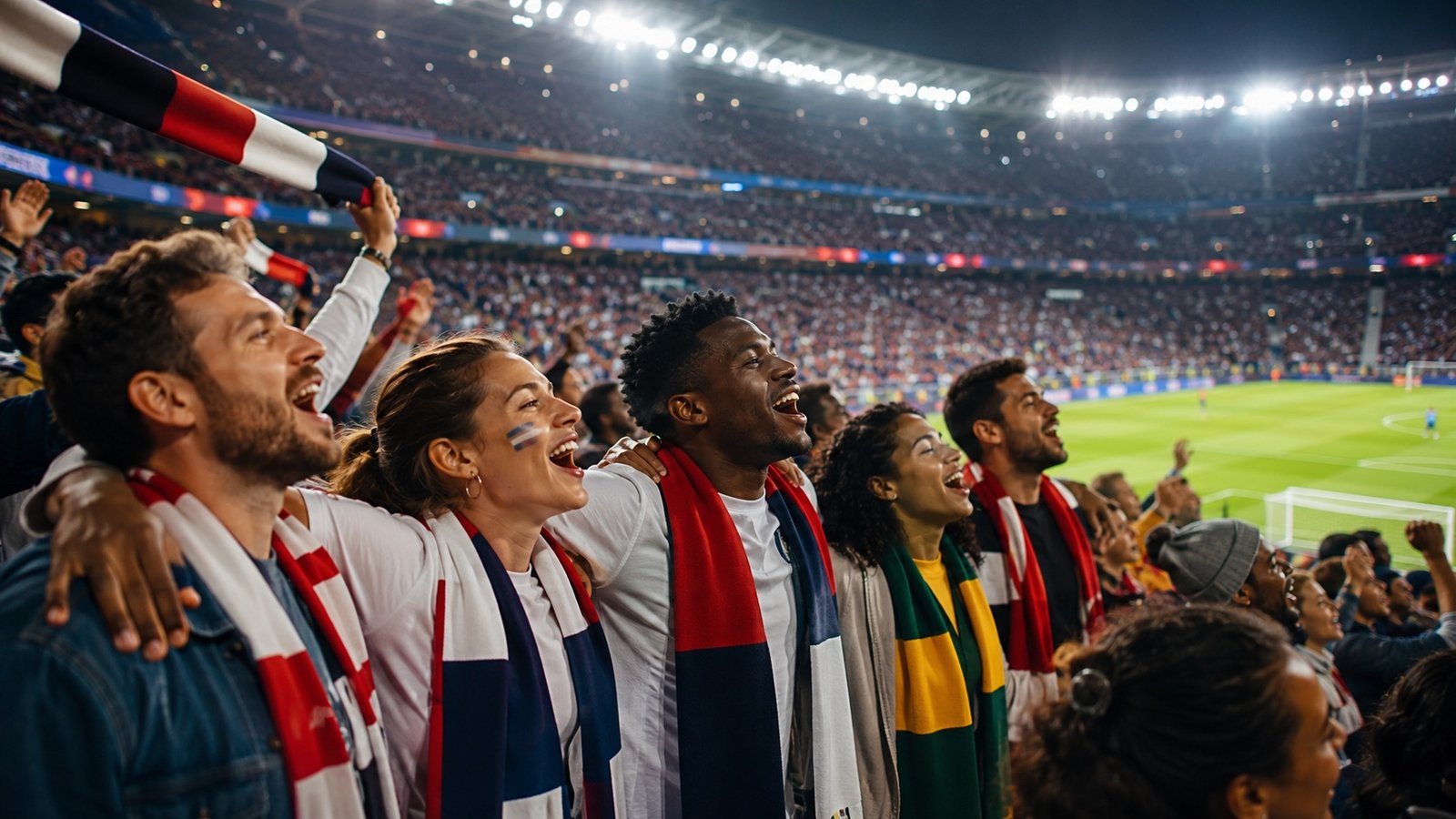
The rise of Wonderwall as England's World Cup anthem is not quite a music story and not quite a football story. The Guardian reported that the 1995 Oasis song has become an emotional fixture around England's 2026 campaign, with fans and players singing it together after important moments. Euronews described the same supporter-led pattern among travelling fans. The point is not that a famous song is famous again. It is that a familiar song has found a new public use exactly when a national team needed a shared sound.
What happened
Football tournaments are full of manufactured attempts at togetherness. Official songs arrive with marketing plans, sponsors try to turn slogans into emotion, and broadcasters build montages around whatever track travels best across highlights. The songs that actually stick tend to work differently. They are chosen by repetition, memory and convenience: easy to sing after a long day, broad enough to mean different things to different people, and familiar enough that nobody needs to learn the words before joining in.
Wonderwall has all of those qualities. Its chorus is instantly recognisable and its lyrics are open enough to carry hope, relief, irony or simple joy. It belongs to a period that now sits comfortably in mass nostalgia, old enough to feel communal but not tied to a single generation. The Guardian's reporting pointed to England supporters in the United States helping build the association, with Harry Kane among those noting the emotional force of the singing after a victory over Croatia.
Why it matters
Modern football teams are often accused of being distant from the people who follow them. A post-match singalong cannot close that gap, but it can briefly narrow it. The spectacle of players and supporters sharing a song after a result creates the impression that the tournament is being lived together rather than consumed from opposite sides of the advertising boards. Teams do not win because a song becomes popular, but tournament football is shaped by mood and belief, and an anthem gives supporters a simple way to project confidence.
The choice is interesting precisely because Wonderwall does not sound like a classic patriotic sports anthem. It is not a march, not a terrace chant and not a piece of national mythmaking. That may be why it works. It avoids the heavy-handedness that dates official tournament songs almost immediately and lets thousands of people sing the same line for different reasons while still sounding united.
The counter-view
There is a risk in over-reading a song. Football culture can turn spontaneous joy into obligation quickly, and what feels electric in one tournament can feel tired if forced. Russell Osborne of the Three Lions podcast, cited by the Guardian, suggested tournament songs can be time-specific rather than permanent. Some supporter traditions should be allowed to belong to a particular run, a particular set of fans and a particular set of results.
What happens next
The commercial afterlife is inevitable: streaming spikes, social clips and broadcast montages follow any song attached to a World Cup run. That does not make the ritual fake, but it does mean the story will move quickly from crowd behaviour into the wider entertainment economy. Wonderwall may not remain England's anthem forever, or even survive beyond this tournament. For now it answers a need, turning a crowd into a choir for a few minutes and giving the campaign a shared pulse no committee could have engineered.
Sources: reporting by The Guardian.
The NE Times is an independent news and analysis publisher. Our articles combine factual reporting with clearly-written, impartial analysis. Content is for general information and does not constitute professional advice. Disclaimer.
You may also like to read
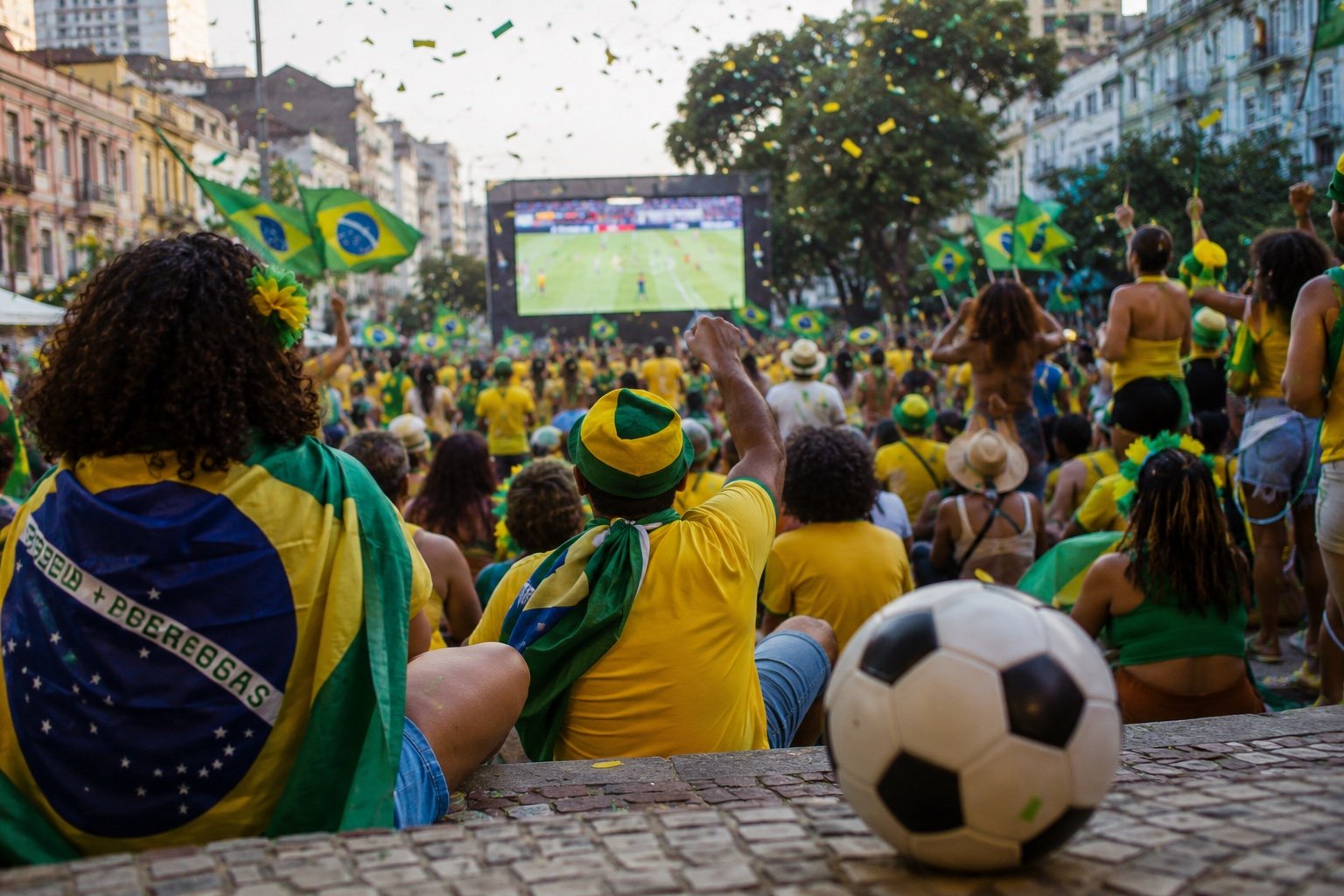
Rodrygo's World Cup observation: football's loudest culture meets its biggest market
Rodrygo's Guardian column on the gulf between Brazilian and American football culture shows what the World Cup can and cannot export.
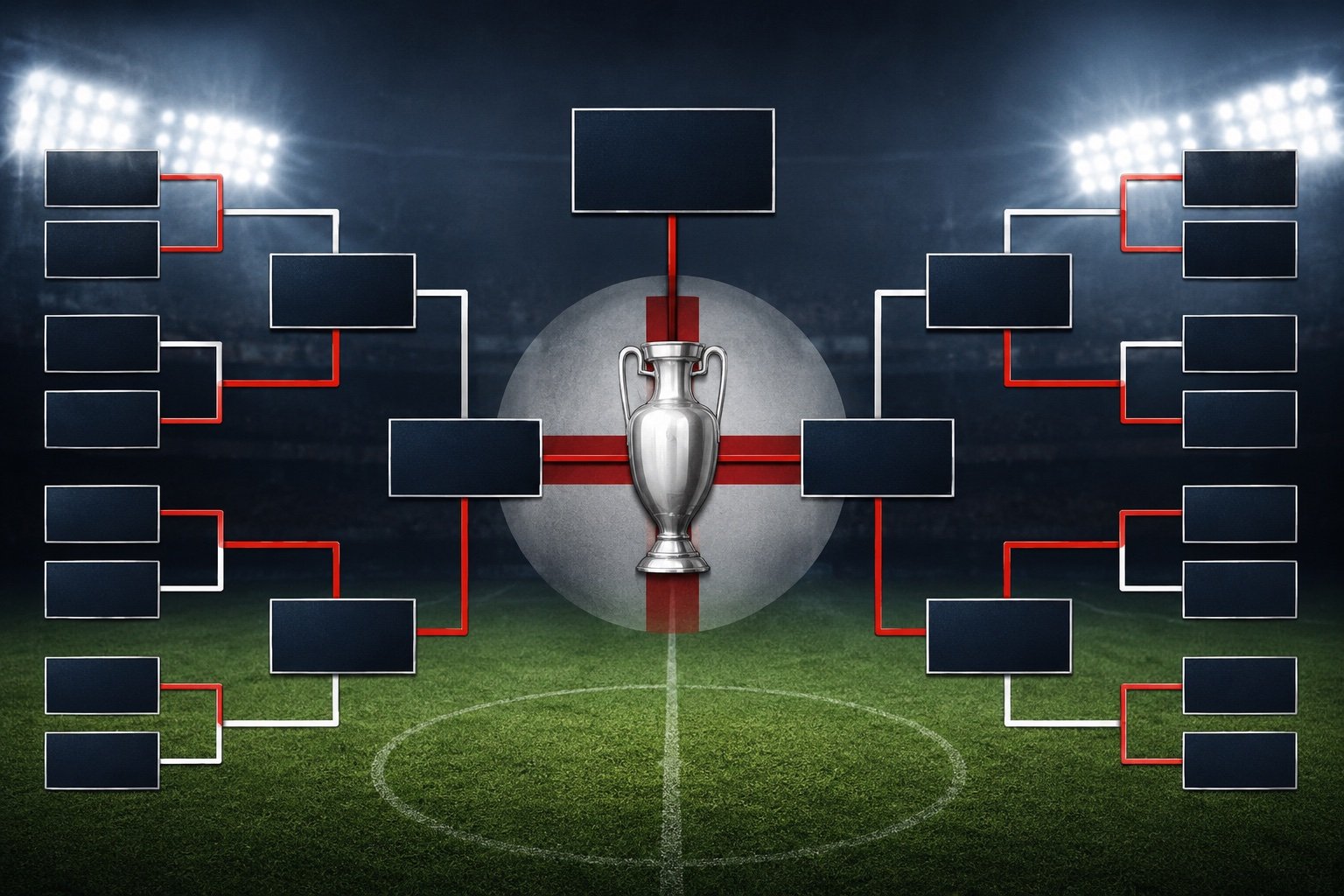
England's projected World Cup path turns every group game into a high-stakes decision
Analysis of Thomas Tuchel's possible knockout route has put fresh weight on where England finish in their group, with finishing position likely to dictate the difficulty of the draw to come.
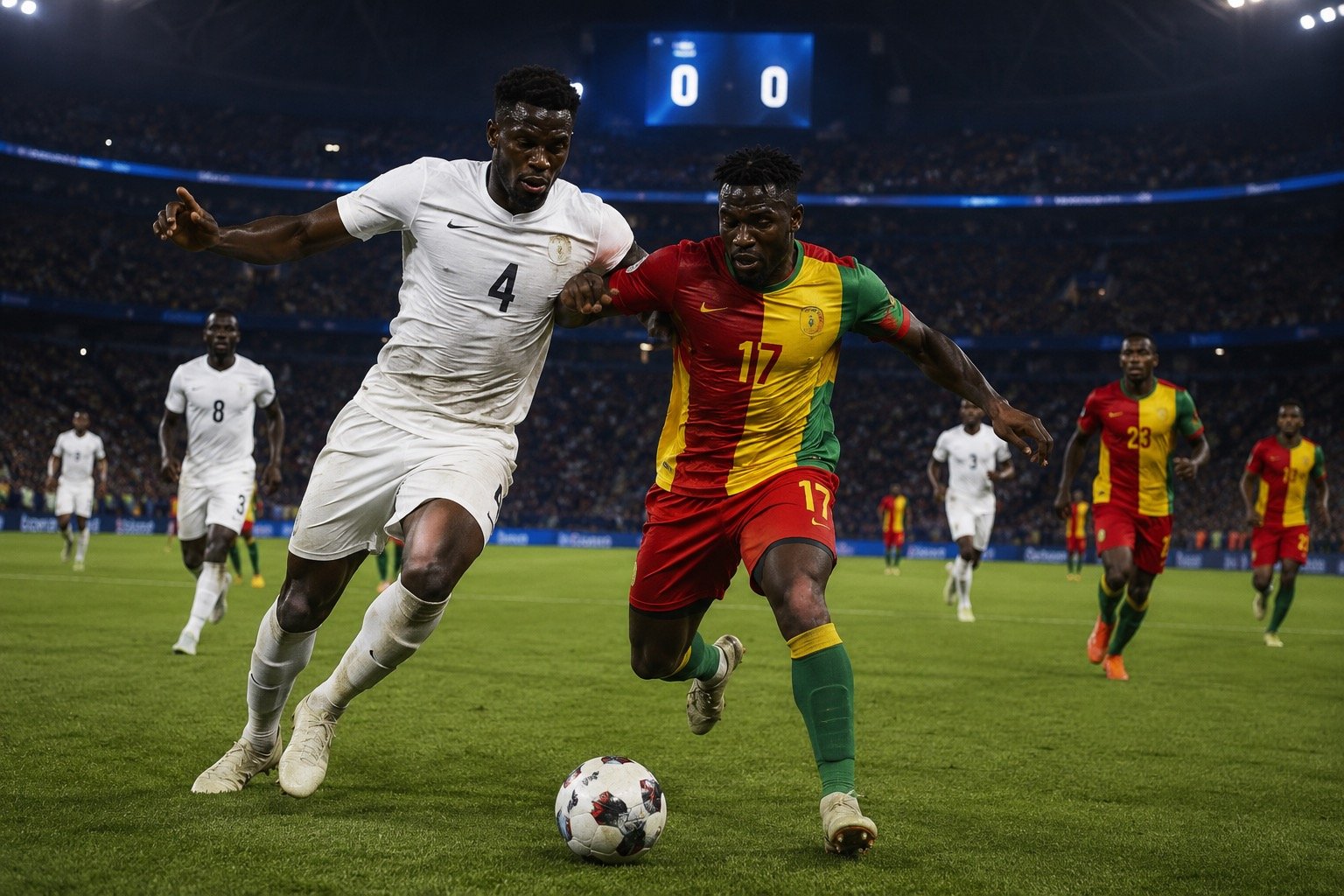
England held to goalless draw by Ghana as World Cup Group L stays open
Thomas Tuchel's side fail to break down a disciplined Ghana in Boston, leaving qualification finely balanced before the final round of matches.
Norway's 'Viking row' celebration becomes World Cup talking point
Norway's distinctive goal celebration has drawn euphoria at home but irritation and envy from Scandinavian neighbours during a strong tournament run.