Paul Seixas turns Tour de France pressure into a generational test
The 19-year-old, France's youngest Tour debutant since 1937, carries national expectation into a field led by Pogacar and Vingegaard.
Daniel Fletcher
Writer ·

What happened
The 2026 Tour de France has opened with Jonas Vingegaard in yellow after Visma-Lease a Bike won the team time trial in Barcelona, but much of the early fascination surrounds a 19-year-old. Paul Seixas is the youngest Tour debutant since 1937, according to the Guardian, and Cyclingnews reports that he is treating his first Tour as a serious general-classification campaign against Tadej Pogacar and Vingegaard rather than a sightseeing exercise.
Why it matters
France has waited for a home Tour winner since Bernard Hinault in 1985, and that drought hangs over every promising French climber. It feels sharper with Seixas because the ceiling appears unusually high — and because the respect is coming from the competitive ecosystem, not just the media. Rival teams reportedly treat him as a rider capable of influencing the race itself. Hype can be manufactured; that kind of respect is harder to fake.
The Tour, though, is not a development camp. It is a three-week examination of endurance, positioning, recovery, crosswind vigilance and emotional control, where one badly timed crash or nervous descent can undo the strongest legs. Seixas has already managed a crash in his preparation and arrives off altitude work, with his team balancing performance goals against public noise. When a teenager enters that environment framed as a national answer, the sporting question becomes inseparable from the psychological one.
The bigger picture
The sensible reading of this debut is not as a referendum on whether France has found its champion, but as a stress test. Can Seixas stay calm when Pogacar accelerates, conserve energy when the crowd demands a gesture, and recover from a bad day without the whole race becoming a verdict on his future? He is stepping into one of the strongest generational fields cycling has seen — Vingegaard, Pogacar, Remco Evenepoel, Juan Ayuso — where even finishing near the podium would demand maturity well beyond his age. Yet his presence widens a narrative that might otherwise be another chapter of the Pogacar-Vingegaard duopoly, and a home contender changes the sound of the race: crowds, broadcasters and sponsors all respond differently.
What happens next
For his team, restraint may prove as valuable as ambition. The best version of this debut is not necessarily the most dramatic: surviving the early chaos, choosing attacks carefully, studying how the established champions manage effort, and leaving the race healthier and wiser would itself be an achievement. Grand Tour careers are built across seasons, not stages. The next three weeks will show whether Seixas is merely carrying expectation — or beginning to convert it into a career that can stand beside the riders he is being asked to chase.
Sources: reporting by The Guardian.
The NE Times is an independent news and analysis publisher. Our articles combine factual reporting with clearly-written, impartial analysis. Content is for general information and does not constitute professional advice. Disclaimer.
You may also like to read
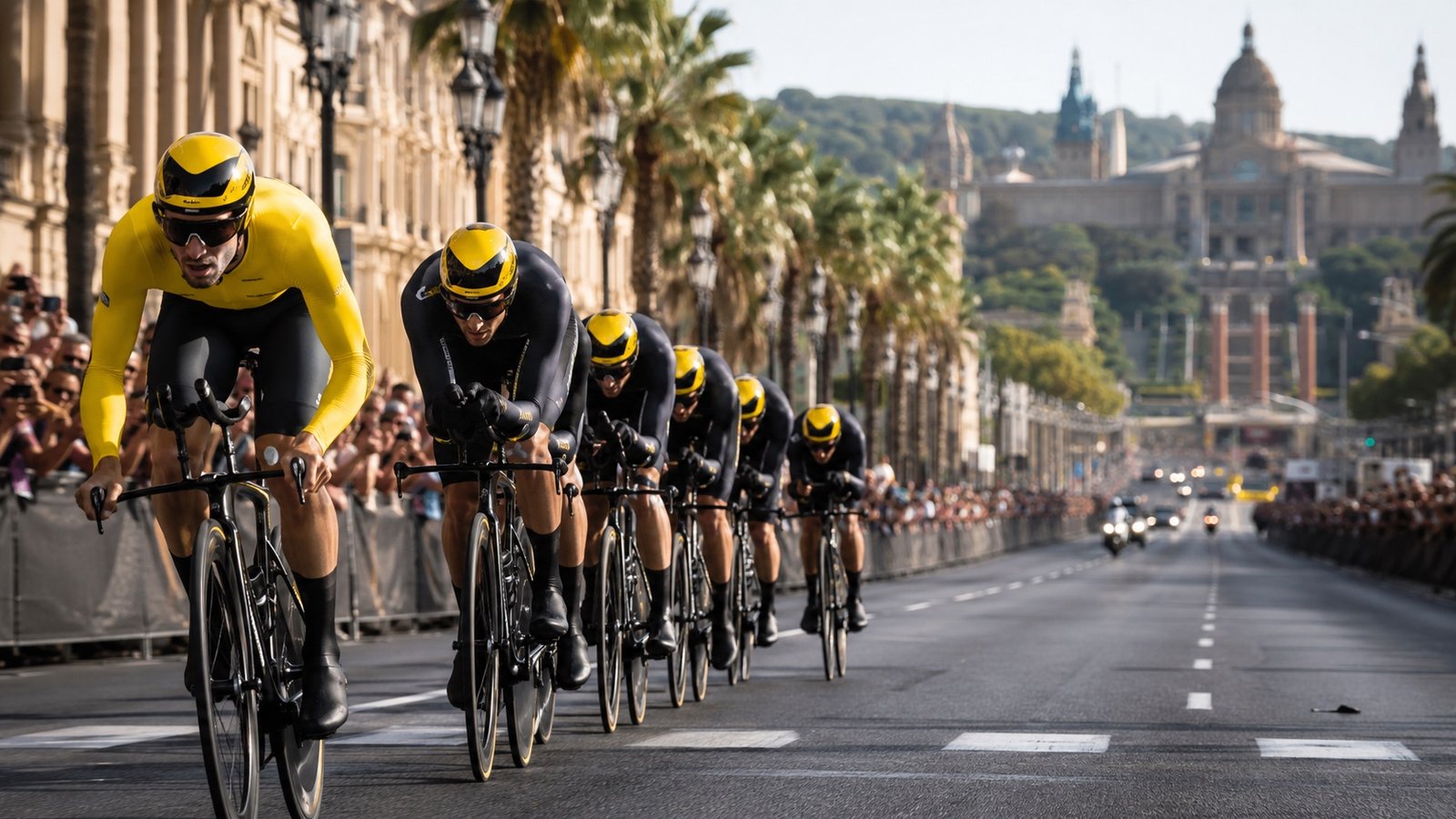
Vingegaard in Yellow From Day One Changes the Shape of This Tour
Visma-Lease a Bike's team time trial win in Barcelona put Jonas Vingegaard in yellow and left Tadej Pogacar chasing from the very first evening.
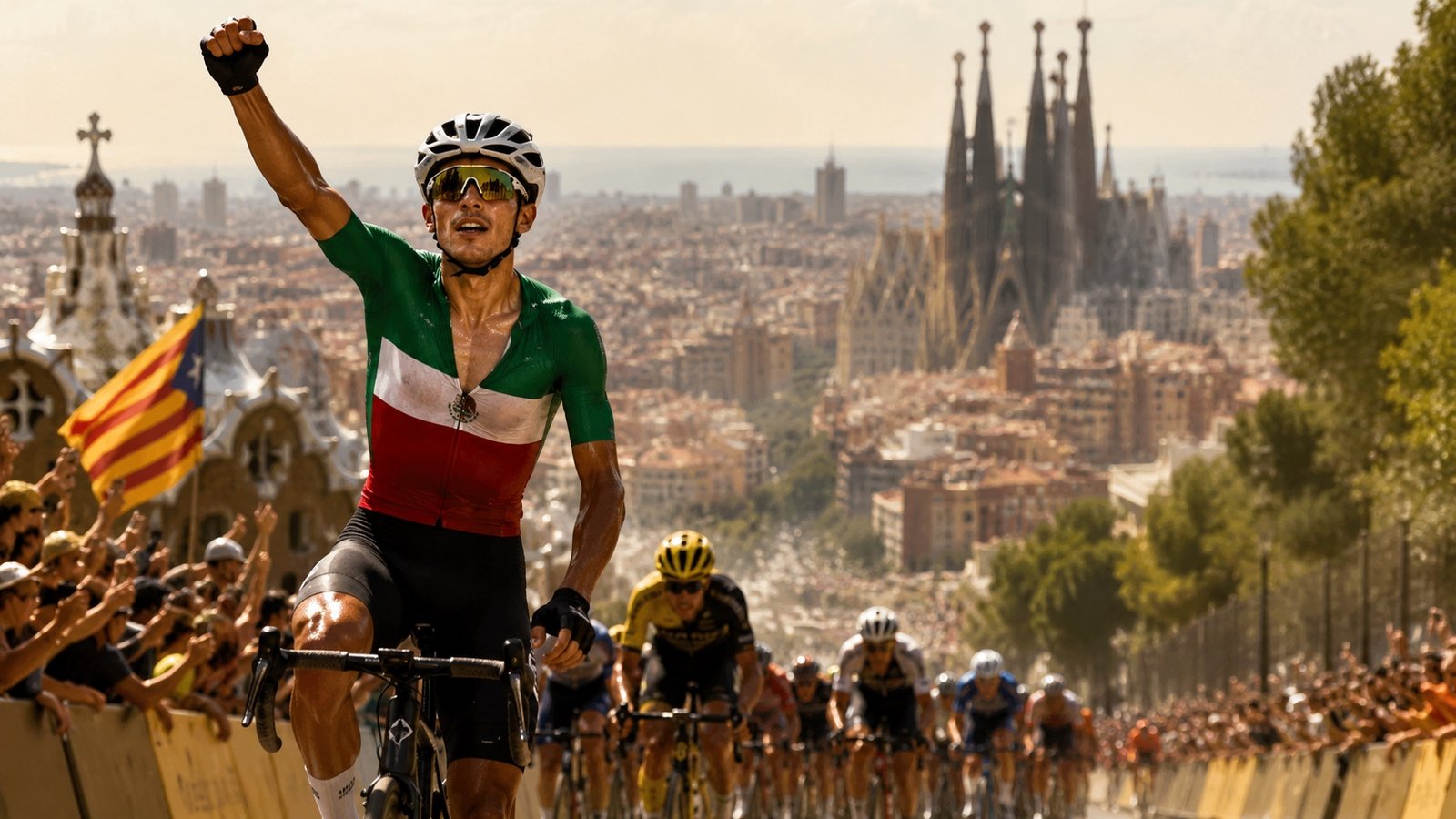
Del Toro's Barcelona breakthrough: a Tour stage won against rivals and rising heat
The 22-year-old Mexican's stage-two win on Montjuic, gifted by Pogacar, signals UAE's depth — as 38C heat and Pyrenees wildfires reshape the 2026 Tour.

Isaac del Toro storms to Critérium du Dauphiné title with back-to-back mountain wins
Mexico's Isaac del Toro tore the race apart in the high mountains to snatch overall victory at the renamed Critérium du Dauphiné, sending an ominous warning to his rivals just weeks before the Tour de France.
Osaka Stuns Sabalenka as Djokovic Passes Federer: Wimbledon's Day Seven Shifts the Draw
Naomi Osaka's straight-sets win over top seed Aryna Sabalenka and Novak Djokovic's record 106th Wimbledon victory made day seven the fortnight's pivot.