Powerful 7.8 quake strikes off Mindanao, killing dozens in southern Philippines
A magnitude 7.8 earthquake off the southern Philippines killed at least 32 people and triggered tsunami warnings across the region, with General Santos city among the worst hit.
Marcus Reeve
Writer ·
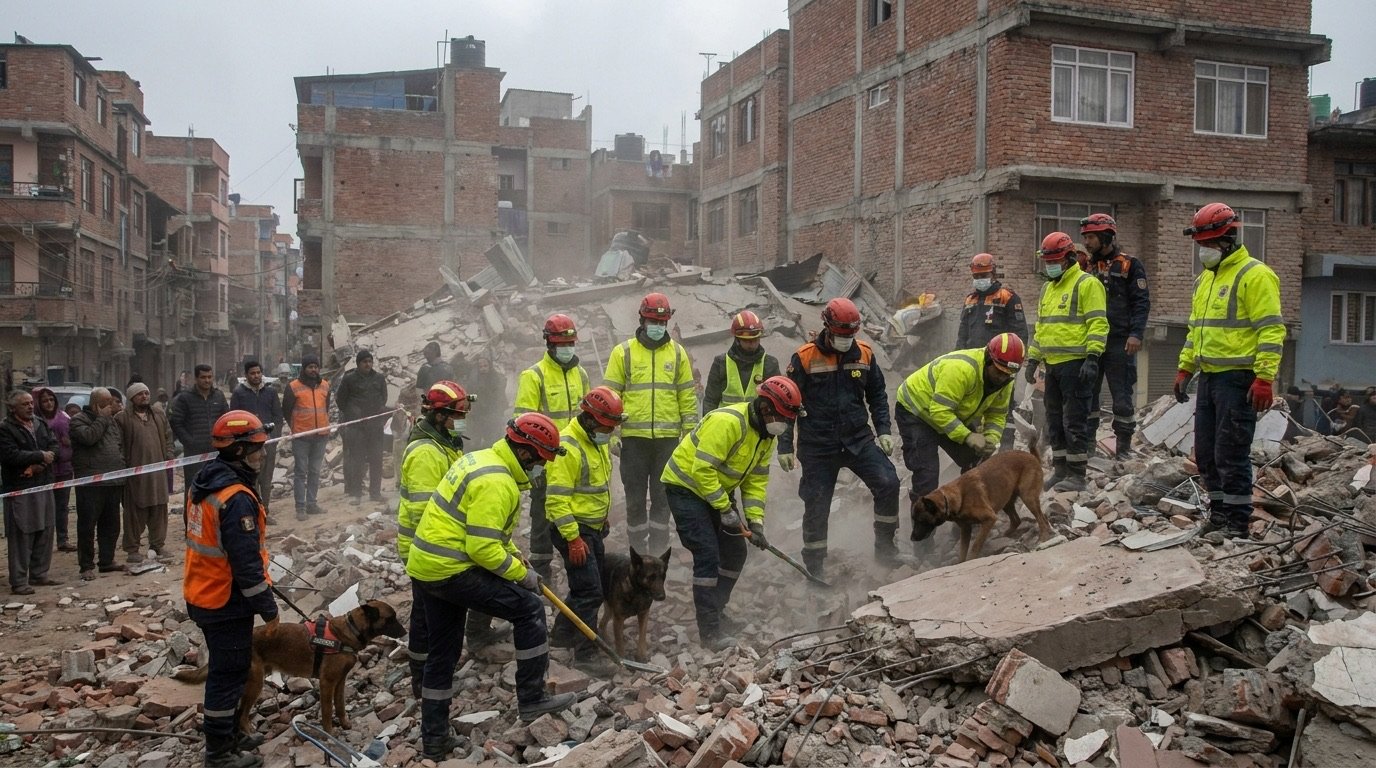
A powerful earthquake of magnitude 7.8 struck off the coast of Mindanao in the southern Philippines on the morning of 8 June, killing at least 32 people and injuring more than 100 as buildings collapsed and panicked residents fled into the streets. The tremor hit shortly before 7.40am local time, just as many families were beginning their day and children were preparing for the first morning of the new school term.
The initial quake was followed by more than an hour of aftershocks, several of them strong enough to bring down structures already weakened by the main shock. Witnesses described the ground heaving violently, power lines swaying and the sound of masonry cracking as people scrambled for open ground. Mobile networks were briefly overwhelmed as relatives across the country tried to reach loved ones in the affected area.
General Santos, a port city of around 722,000 people in the south of the island, sustained some of the heaviest damage. A three-storey restaurant collapsed during the morning rush and parts of St Elizabeth Hospital were so badly damaged that staff were forced to evacuate patients and temporarily relocate operations to safer ground outside the building.
Tsunami warnings and a frantic response
Authorities issued tsunami warnings across parts of Asia in the immediate aftermath, with coastal communities ordered to move to higher ground as a precaution. Most of those warnings were lifted within hours once tide gauges showed no significant sea-level change, though an advisory remained in place for Japan's southern coast for a longer period while officials monitored the situation.
President Ferdinand Marcos Jr activated national emergency agencies and ordered schools across the affected areas to close on what had been the first day of the new term. Disaster response teams, the armed forces and the coast guard were mobilised to the worst-hit districts, while engineers began inspecting bridges, ports and public buildings for structural damage before declaring them safe to use.
Rescue crews worked through the day to reach people believed trapped beneath collapsed structures, using sniffer dogs, hydraulic cutting equipment and, in some cases, bare hands where heavy machinery could not reach. Hospitals in surrounding towns reported a surge of patients with crush injuries, fractures and lacerations, and appealed for blood donations as supplies ran low.
“Parts of the city's St Elizabeth Hospital were severely damaged, forcing staff to evacuate patients and relocate operations.”
— Robert Dagun, police spokesperson
A region living on the Ring of Fire
The Philippines sits squarely on the Pacific Ring of Fire, the horseshoe-shaped belt of seismic and volcanic activity that traces the edges of the Pacific Ocean. The archipelago experiences hundreds of earthquakes every year, most of them too small to be felt, but the country is also periodically struck by major quakes capable of causing widespread destruction and loss of life.
Mindanao in particular lies close to several active fault systems and offshore trenches where tectonic plates grind against one another. The depth and location of an offshore quake are critical factors in determining whether it generates a tsunami, which is why coastal warning systems are triggered automatically before the full picture is known.
Officials said the priorities in the hours after the disaster were clear, and outlined the immediate response steps being taken:
- Search-and-rescue operations at collapsed buildings in General Santos and surrounding towns
- Structural safety inspections of hospitals, schools, bridges and the city's port facilities
- Restoration of power, water and communications to cut-off neighbourhoods
- Distribution of emergency shelter, food and clean water to displaced families
- Assessment teams dispatched to remote coastal villages that lost contact after the quake
Background to a recurring threat
The Philippines has invested heavily in disaster preparedness in recent decades, partly in response to a long history of deadly earthquakes, typhoons and volcanic eruptions. Building codes have been tightened and public drills are common, but enforcement is uneven and many older or informal structures remain vulnerable to strong shaking. Poorer communities, often built on reclaimed or low-lying land, tend to bear the brunt of such disasters.
Earlier major quakes have demonstrated how quickly a strong tremor can overwhelm local services, particularly when hospitals themselves are damaged. The evacuation of St Elizabeth Hospital underscored a recurring challenge for disaster planners: keeping critical infrastructure functioning at precisely the moment it is needed most.
What happens next
Officials warned that the death toll could rise as rescue teams reached more remote and cut-off communities in the days ahead, and as crews completed their search of collapsed buildings. The closures affected an estimated 3.2 million students and 128,000 staff on the first day alone, and authorities said schools would reopen only once individual buildings had been certified safe. In the longer term, attention will turn to reconstruction, to caring for those left homeless, and to reviewing whether the region's defences held up as intended against a quake of this scale.
Sources: reporting by Al Jazeera.
The NE Times is an independent news and analysis publisher. Our articles combine factual reporting with clearly-written, impartial analysis. Content is for general information and does not constitute professional advice. Disclaimer.
You may also like to read
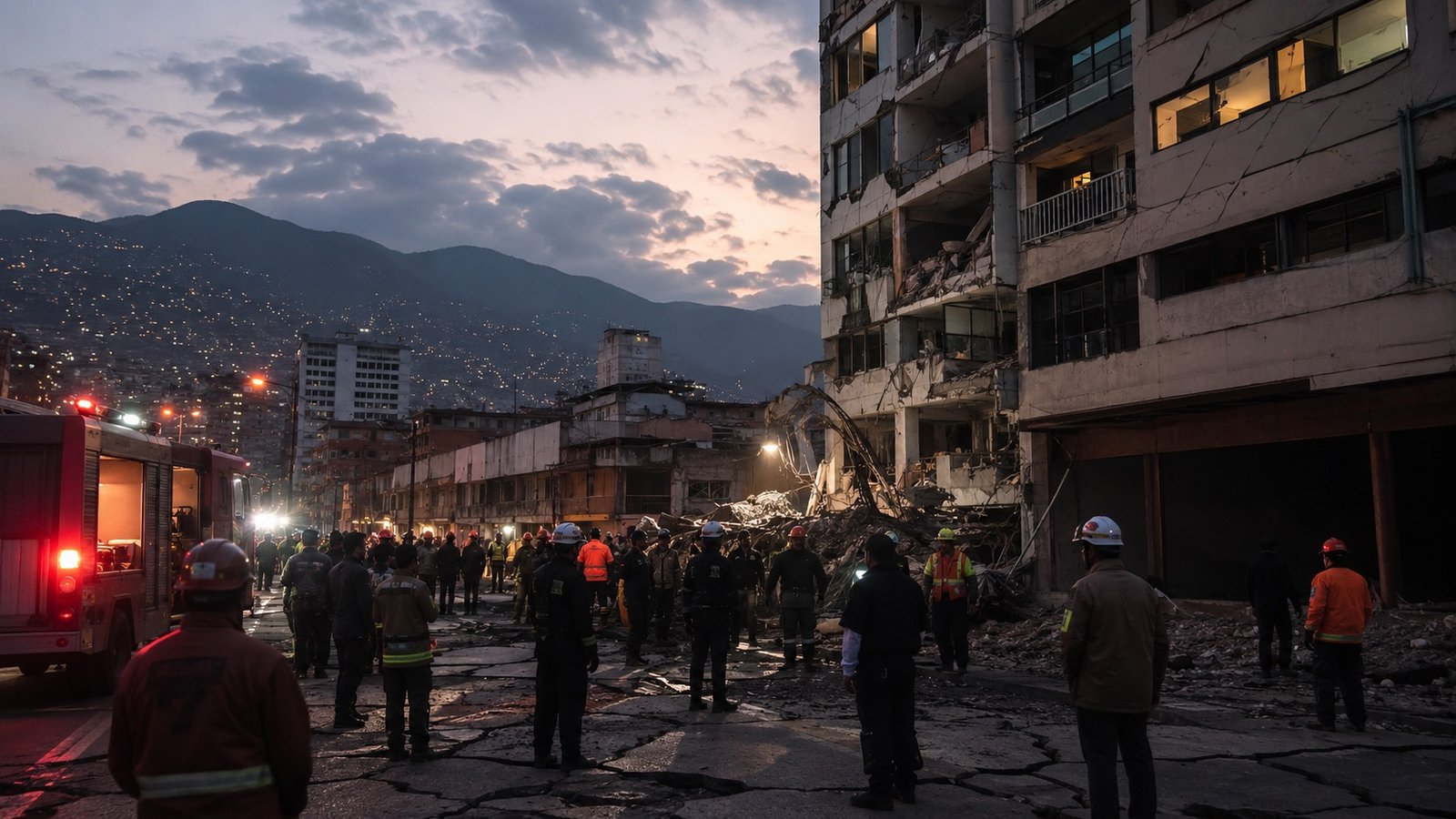
Venezuelans search the rubble after powerful twin earthquakes kill scores
Rescue teams race through collapsed buildings in Caracas and along the coast as the death toll climbs, hospitals overflow with the injured and the government scrambles to coordinate relief.
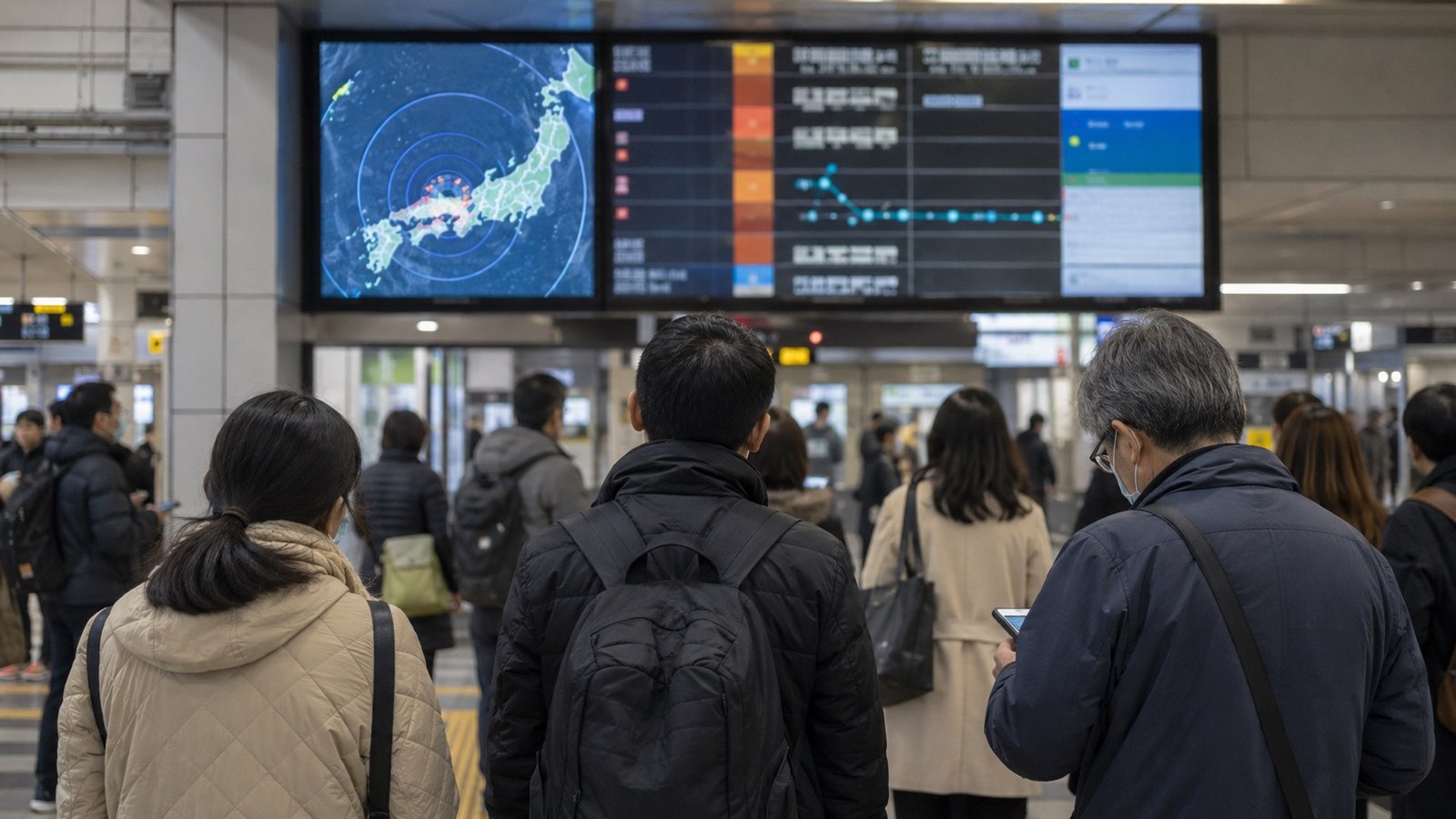
Powerful 6.9 earthquake strikes off northern Japan with no tsunami warning
A strong quake hit off Japan's northern coast, with the Meteorological Agency giving a preliminary magnitude of 6.9 and saying there was no danger of a tsunami.

Philippines blocks gaming app after deadly school shooting
Authorities moved against an app linked to two student suspects after a shooting in Tacloban killed three students, widening debate over youth safety and firearm access.
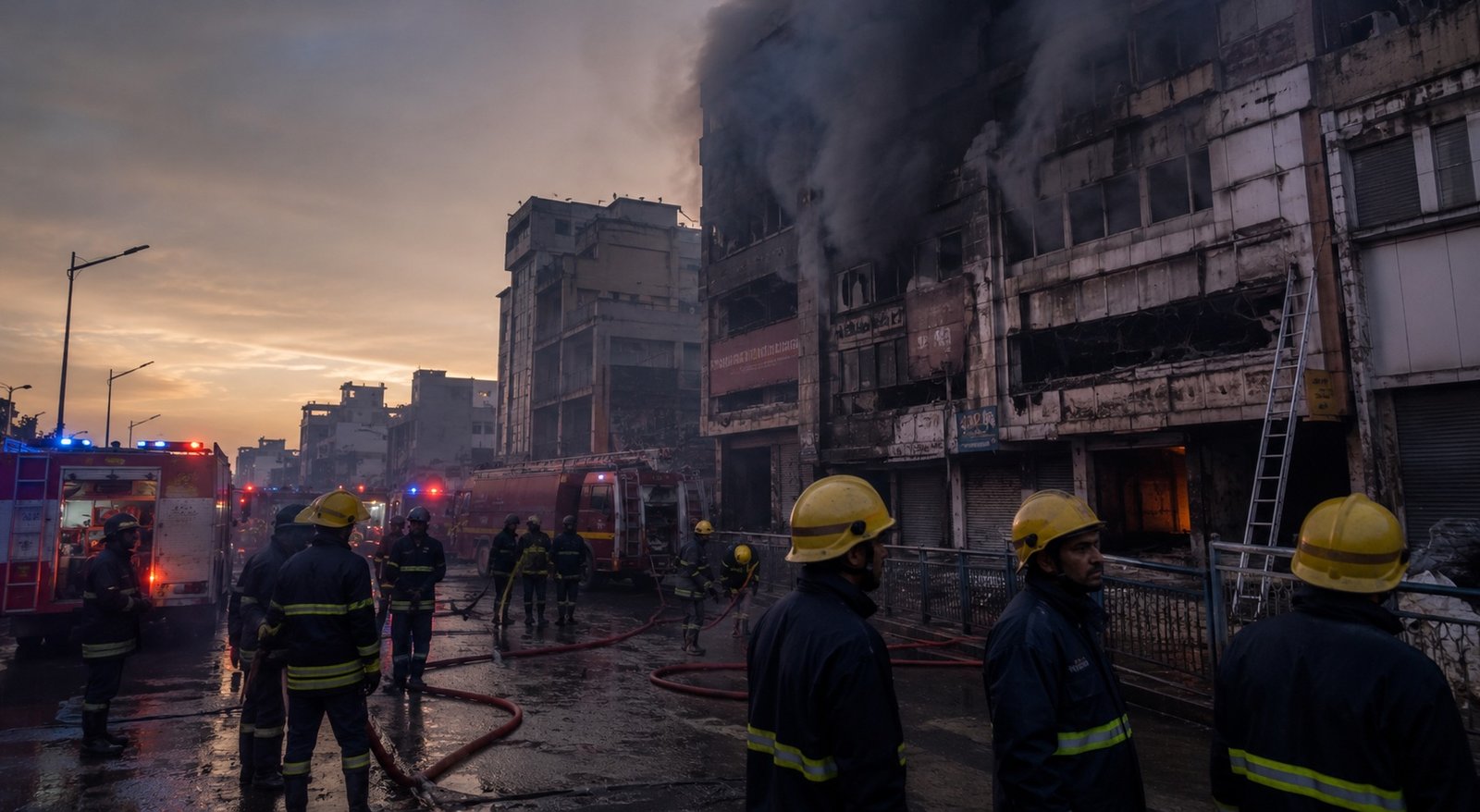
Lucknow building fire kills 14, most of them students, and reopens questions over safety enforcement
A blaze in a crowded commercial premises in northern India left at least 14 dead and forced firefighters to break through a rear wall amid heavy smoke, renewing scrutiny of exits and building rules.