Lucknow building fire kills 14, most of them students, and reopens questions over safety enforcement
A blaze in a crowded commercial premises in northern India left at least 14 dead and forced firefighters to break through a rear wall amid heavy smoke, renewing scrutiny of exits and building rules.
Marcus Reeve
Writer ·
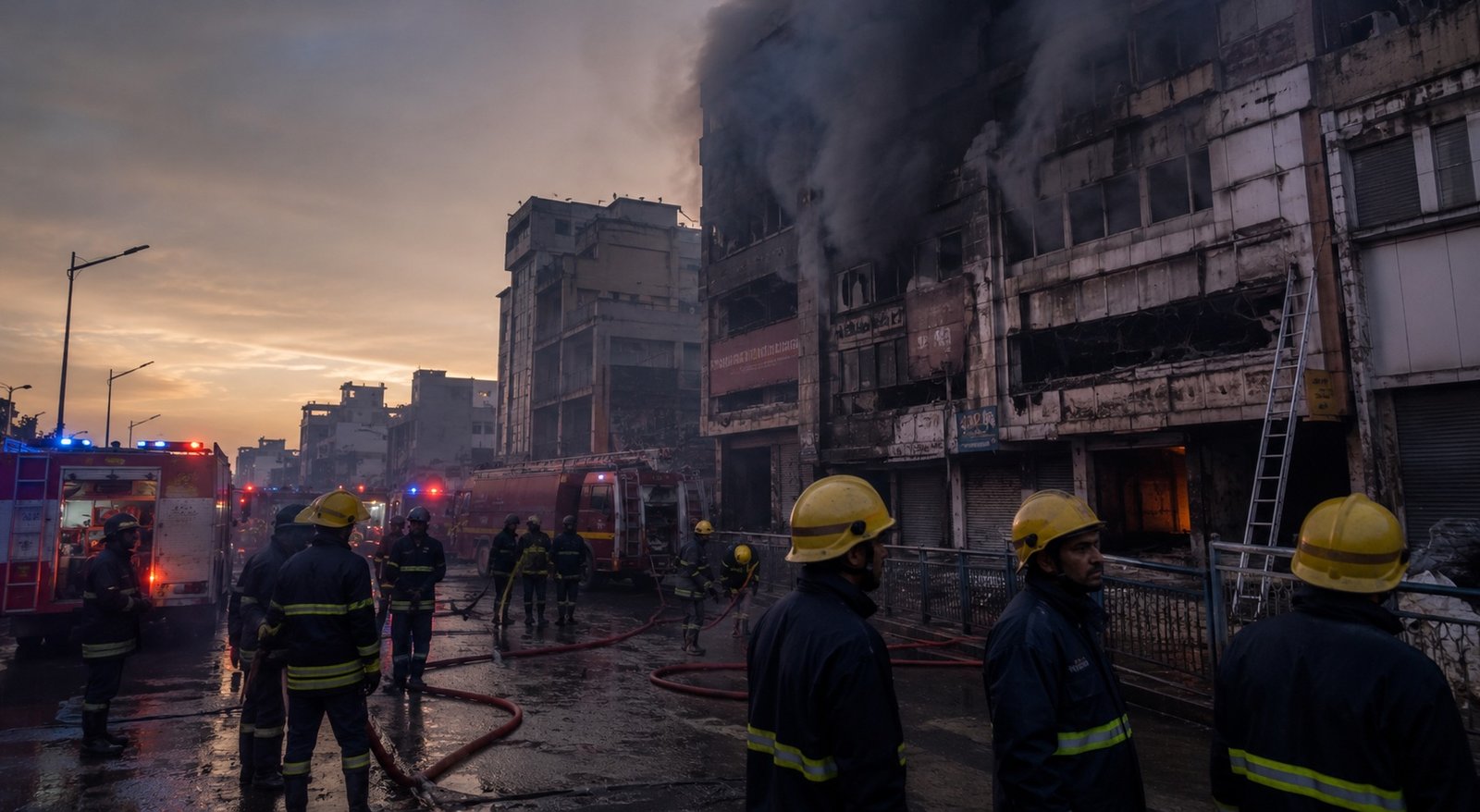
A fire in a commercial building in Lucknow, in northern India, has killed at least 14 people, most of them students, according to officials cited by the Associated Press. The blaze broke out on Monday in the Aliganj neighbourhood, in a building that mixed very different uses across its floors.
Lower levels housed a pet shop and a veterinary clinic, while a study centre and an animation studio occupied the floors above. Officials said at least 10 people were rescued and taken to hospital, and the cause of the fire was not immediately known. The disproportionate toll among young people has given the tragedy a particular weight in a city where such mixed-use premises are common.
A difficult and dangerous rescue
Rescue teams faced heavy smoke that made movement through the building treacherous. Firefighters were forced to break through a rear wall and deploy exhaust fans as they searched rooms and washrooms for survivors trapped by the conditions.
- At least 14 confirmed dead, the majority of them students
- At least 10 people rescued and taken to hospital
- Heavy smoke that hampered the emergency response
- A cause that was not immediately established
The mix of a study centre full of young people above ground-floor commercial units created exactly the kind of layout that complicates evacuation when fire and smoke spread quickly.
Renewed scrutiny of building rules
The tragedy has reopened familiar questions about fire safety, emergency exits and the enforcement of building regulations in crowded commercial premises. Campaigners have long argued that mixed-use buildings, where coaching centres and studios sit above shops, can outpace the safety oversight applied to them.
“When premises like these fill with students, the margin for error in fire safety all but disappears.”
Background
India has seen repeated deadly fires in commercial and educational buildings, often prompting promises of tighter inspection and enforcement. The recurrence of such incidents has fuelled criticism that rules exist on paper but are unevenly applied, leaving occupants of busy buildings exposed when something goes wrong.
What happens next
Investigators are expected to examine the cause of the blaze and whether exits and fire precautions met required standards. The outcome will shape the inevitable political and public pressure for stricter enforcement, even as grieving families confront the immediate human cost of a fire that struck so many young lives.
Sources: reporting by Associated Press.
The NE Times is an independent news and analysis publisher. Our articles combine factual reporting with clearly-written, impartial analysis. Content is for general information and does not constitute professional advice. Disclaimer.
You may also like to read
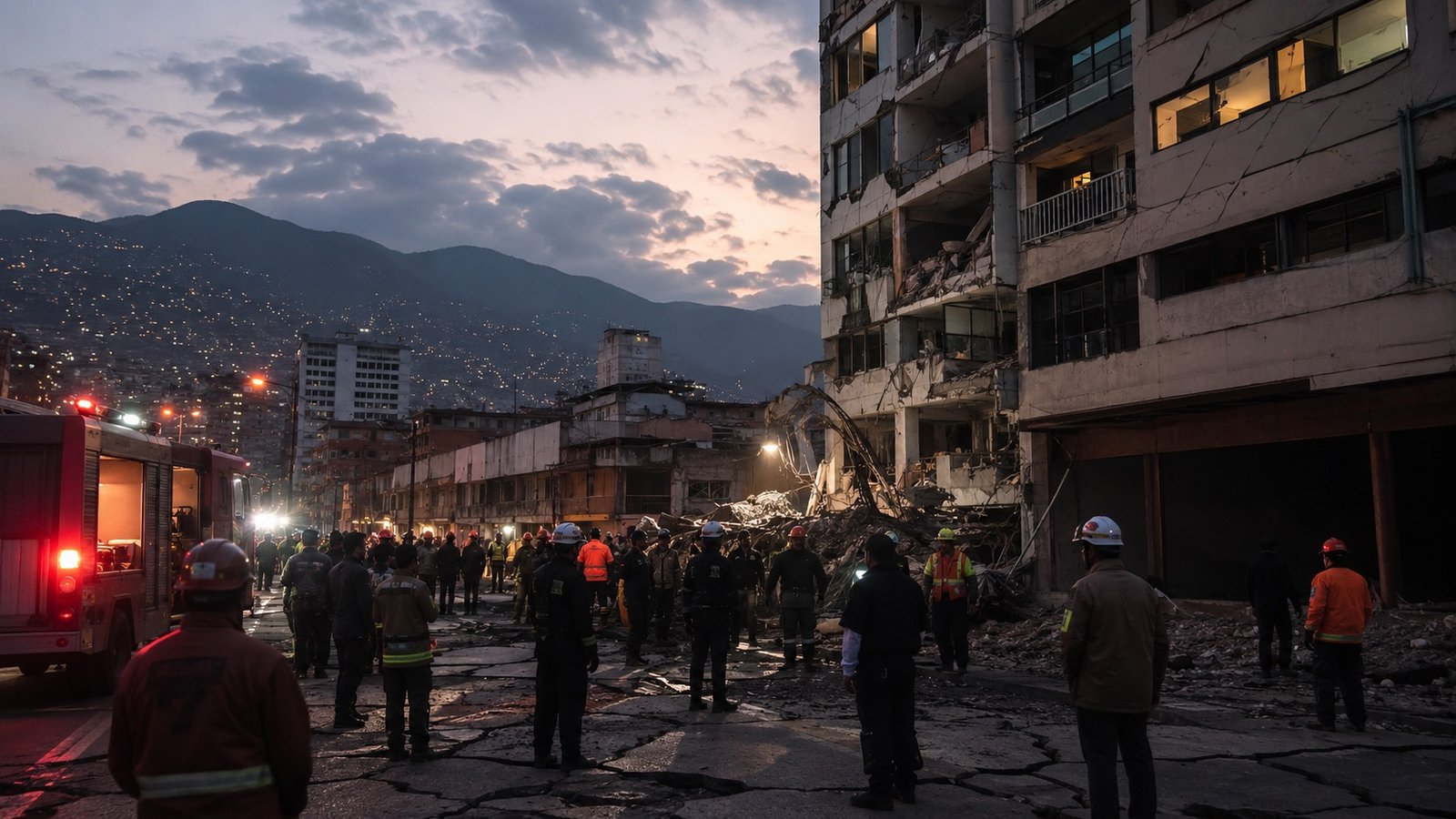
Venezuelans search the rubble after powerful twin earthquakes kill scores
Rescue teams race through collapsed buildings in Caracas and along the coast as the death toll climbs, hospitals overflow with the injured and the government scrambles to coordinate relief.
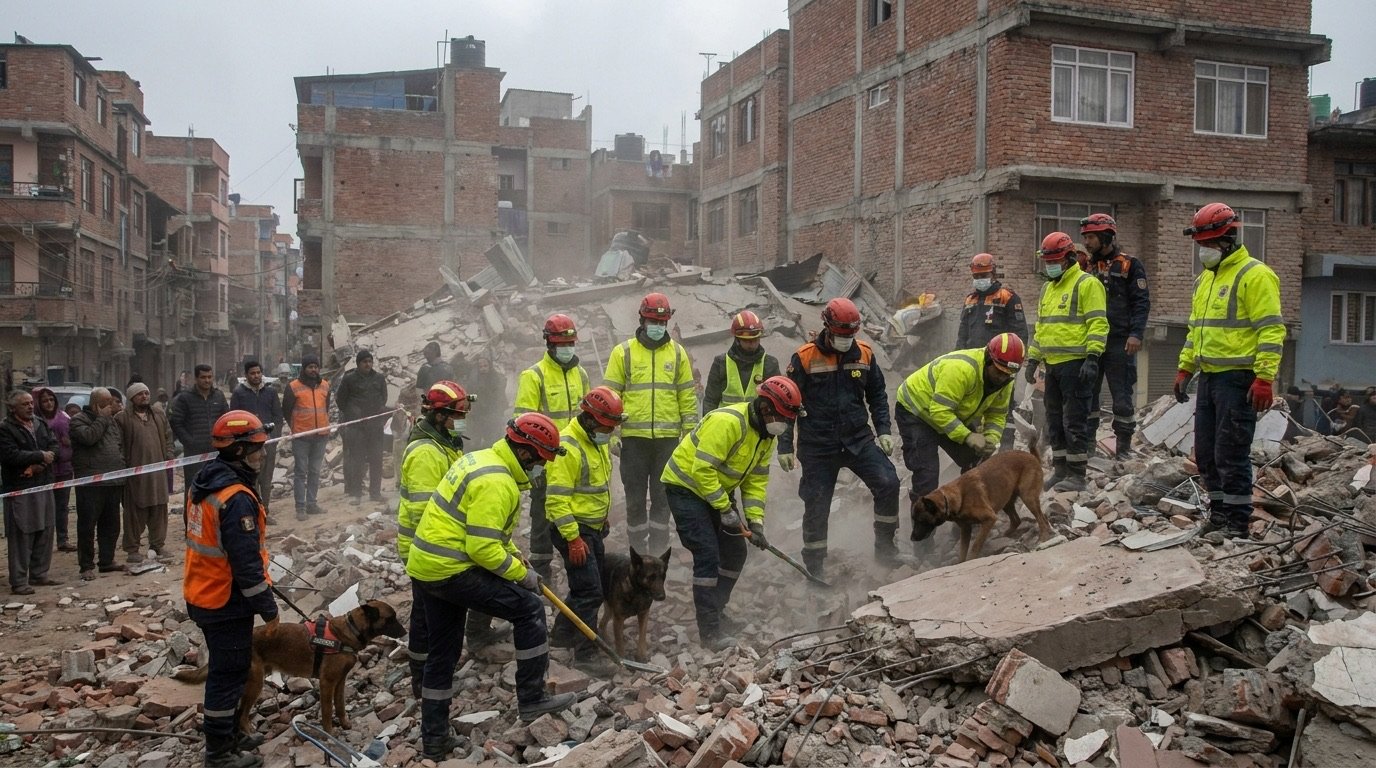
Powerful 7.8 quake strikes off Mindanao, killing dozens in southern Philippines
A magnitude 7.8 earthquake off the southern Philippines killed at least 32 people and triggered tsunami warnings across the region, with General Santos city among the worst hit.
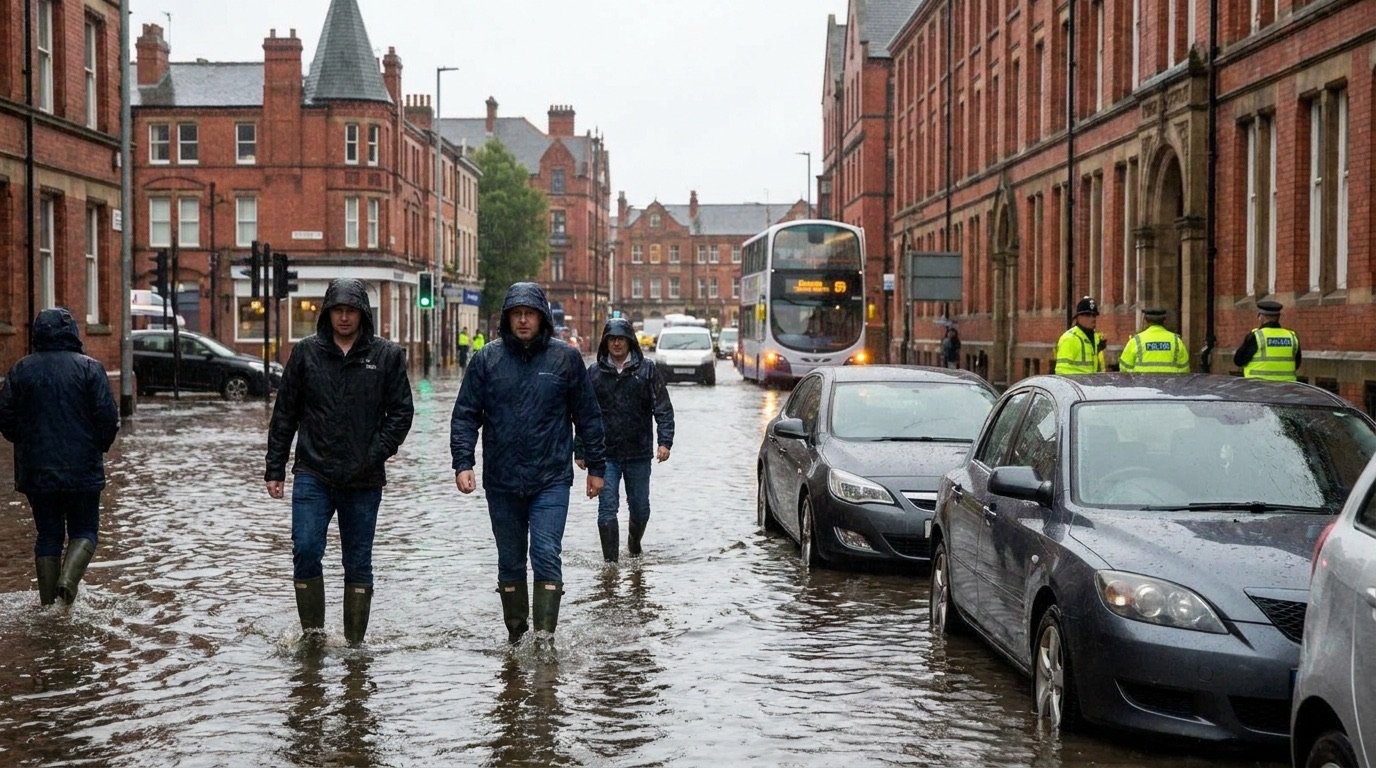
Nigeria warns of widespread floods, with 14,000 communities at high risk
The national hydrological agency says 33 of Nigeria's 36 states face flooding this year, with major cities including Lagos and Abuja among the areas exposed as the rains intensify.
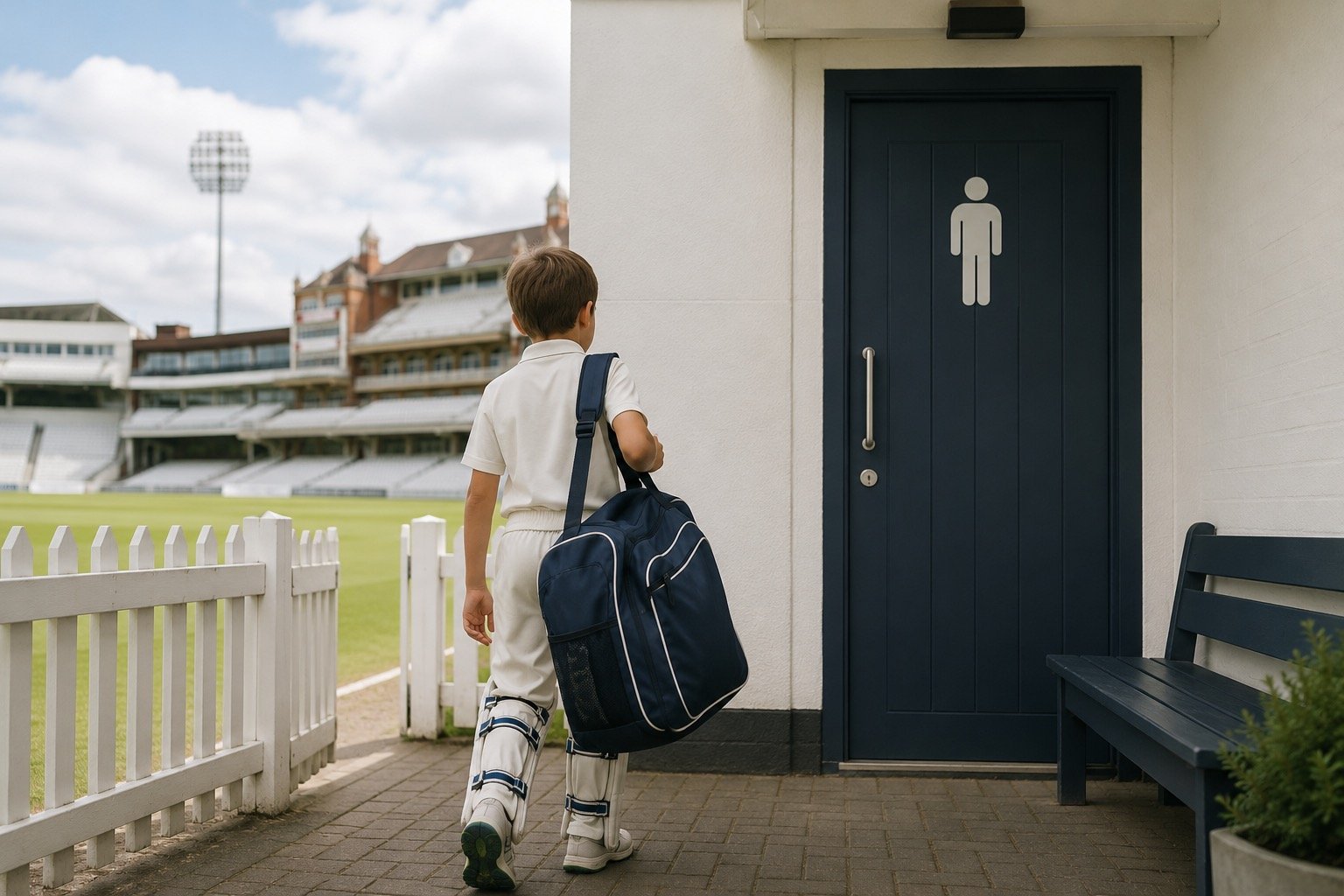
Teen cricket prodigy Sooryavanshi to use separate changing room on England tour
India's 15-year-old sensation Vaibhav Sooryavanshi will follow ICC and ECB safeguarding rules barring under-16s from adult dressing areas during the white-ball series.