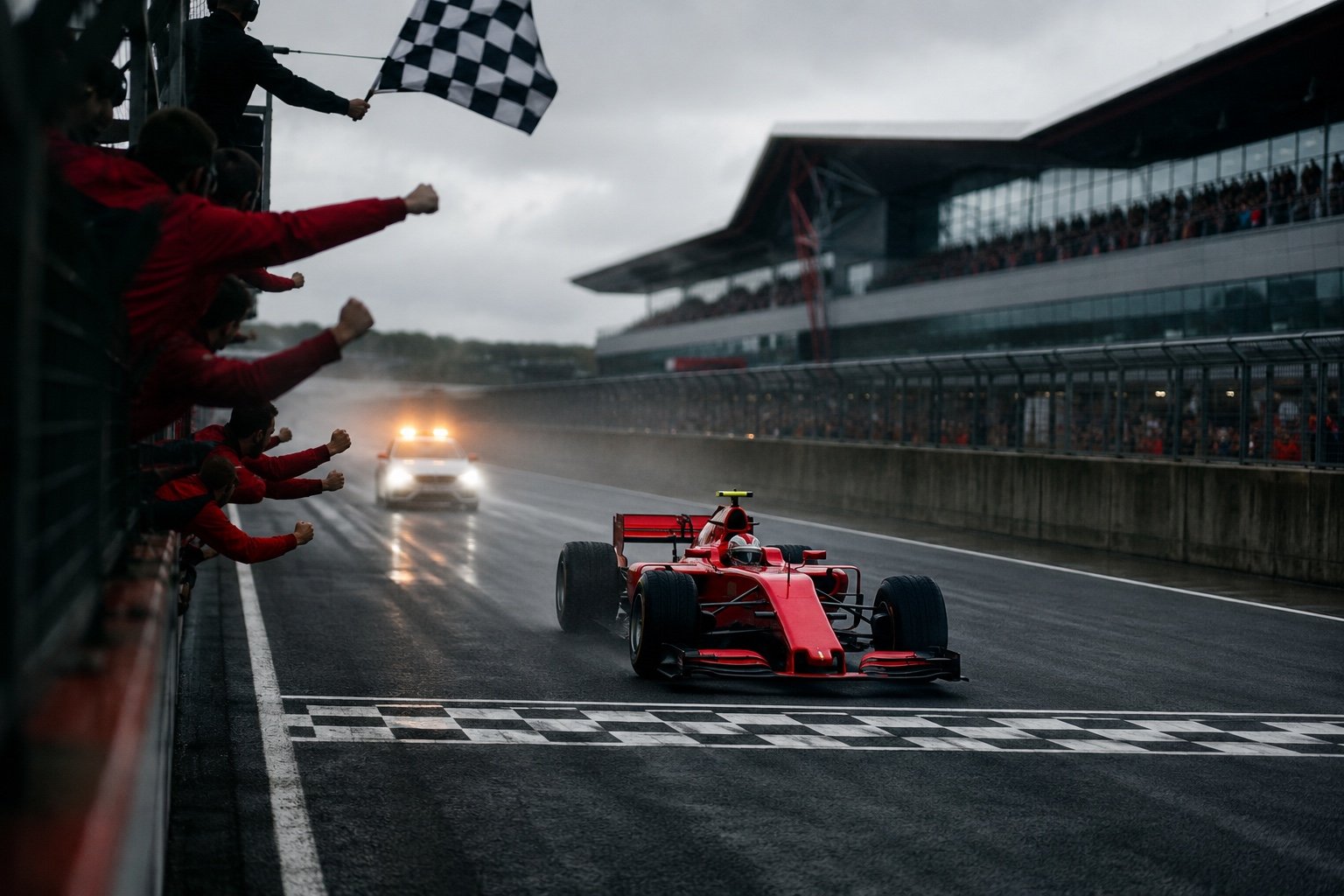
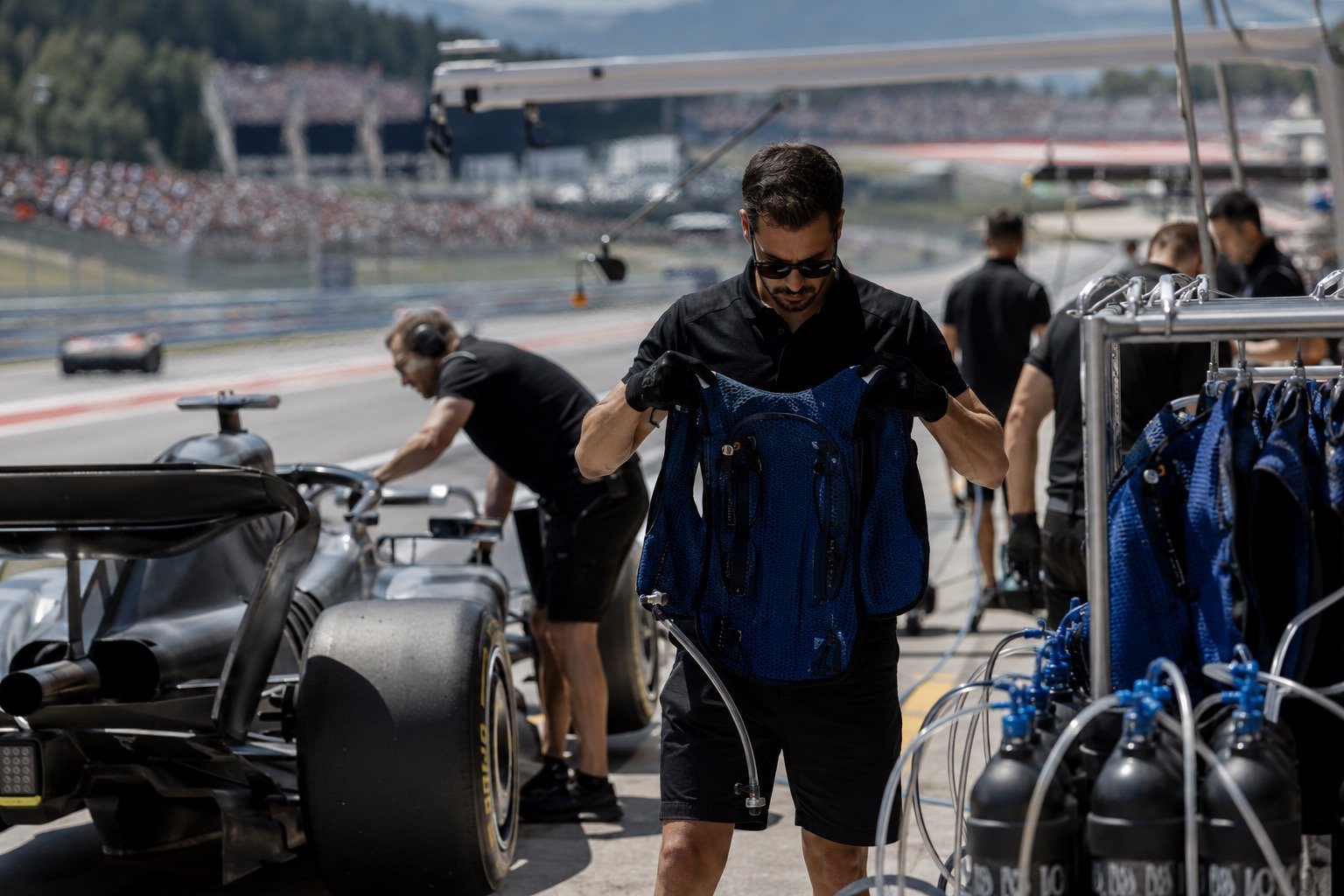
Red Bull face a defining home Austrian Grand Prix weekend
On familiar ground at Spielberg, strategy, upgrades and internal confidence all come under the microscope as the championship picture tightens.
Sports Editor ·
Why it's trending
Red Bull arrive at their home circuit with strategy, upgrades and internal confidence all under the microscope as the title race tightens.
The Austrian Grand Prix is never just another race for Red Bull. Spielberg's Red Bull Ring is the team's home circuit, the grandstands are painted in its colours, and the energy-drink empire's senior figures watch from the garage. This year, according to Sky Sports' Formula 1 coverage, the team arrives with more than pride at stake: a tightening championship picture has put every aspect of its operation under the microscope.
Home races magnify everything. A strong weekend in front of the orange-flared Verstappen fans reads as a statement of intent; a scruffy one becomes the story of the sport for a fortnight. Few venues expose a front-running team's true condition quite so publicly.
At a glance
- Strategy and pit-stop calls under intense scrutiny
- Tyre management across a demanding stint pattern
- The impact of the latest aerodynamic upgrades
- Internal confidence and momentum heading into the next phase
Strategy calls under the spotlight
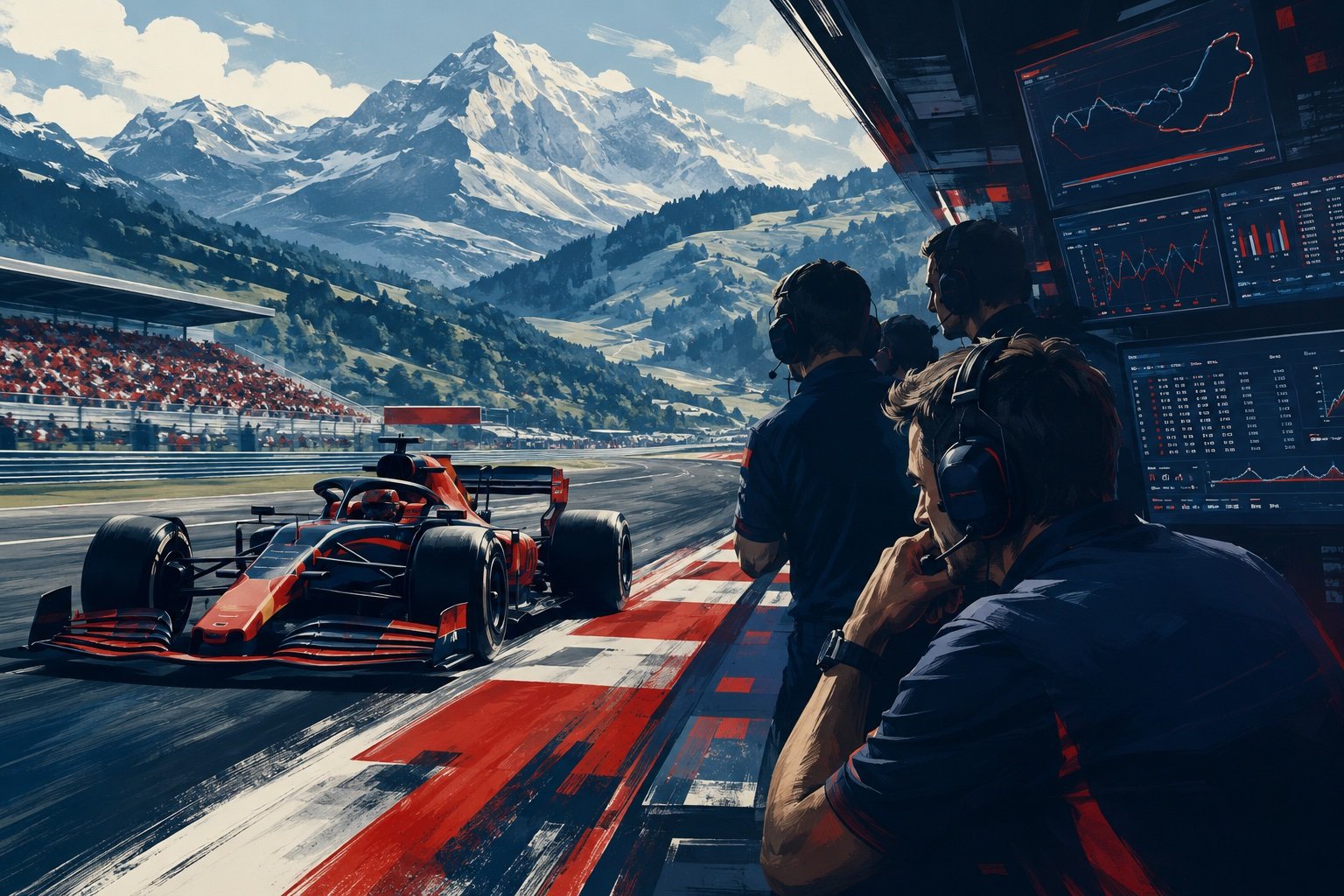
Red Bull's pit wall has long been regarded as one of the sharpest in Formula 1, but tightening margins raise the cost of every decision. Pit-stop timing, undercut windows and safety-car gambles that once merely consolidated wins can now decide whether the team leaves Austria ahead or behind in the title fight.
The Red Bull Ring compounds the pressure. Its short lap — barely over a minute — compresses strategic windows, punishes hesitation and produces some of the season's most chaotic race management. There is nowhere to hide a slow call.
Tyres on a punishing lap
Tyre management is the weekend's quiet battleground. Spielberg's combination of long full-throttle sections, hard braking zones and high kerbs is notoriously tough on rubber, and the stint patterns it demands leave little room for error in degradation modelling.
Getting the compounds to live through the required stints — while staying quick enough to defend or attack — is the sort of fine-margin engineering exercise that separates a controlled afternoon from a scrambled one.
Do the upgrades work?
The team's latest aerodynamic upgrade package faces its most public examination yet. Development races decide modern championships, and rivals will be watching Red Bull's updated car as closely as the stopwatch, looking for evidence of whether the team's development curve is still climbing.
Home soil raises the stakes of that verdict. Upgrades that deliver at Spielberg would steady the team's season narrative; a package that underperforms in front of its own grandstand would sharpen every question currently circling the operation.
Confidence as a competitive weapon
Then there is the human dimension: internal confidence and momentum matter as much as downforce at this stage of a season. Formula 1 teams are finely balanced institutions, and periods of pressure test the cohesion between drivers, engineers and management.
Red Bull have historically thrived on exactly this kind of siege dynamic, converting scrutiny into performance. Whether that reflex still functions is one of the subplots that makes this home race compelling.
What happens next
Qualifying pace will give the first honest reading of where the package stands; race execution on Sunday will give the fuller one. Either way, Spielberg tends to leave little ambiguity about a car's true level.
The championship arithmetic will absorb whatever happens and move on to the next round. But home races leave a residue — and a defining weekend, in either direction, will colour how the rest of Red Bull's season is read.
Sources & verification
- Sky Sports — primary reporting referenced by this article
Filed under Sport · Written by Daniel Fletcher
You may also like to read