Resident doctors call off five-day strike after last-minute pay deal
A walkout that threatened to coincide with a heatwave and the World Cup was suspended hours before it began, after the BMA and government struck a revised pay and jobs offer now heading to a members' vote.
Sophie Bennett
Writer ·
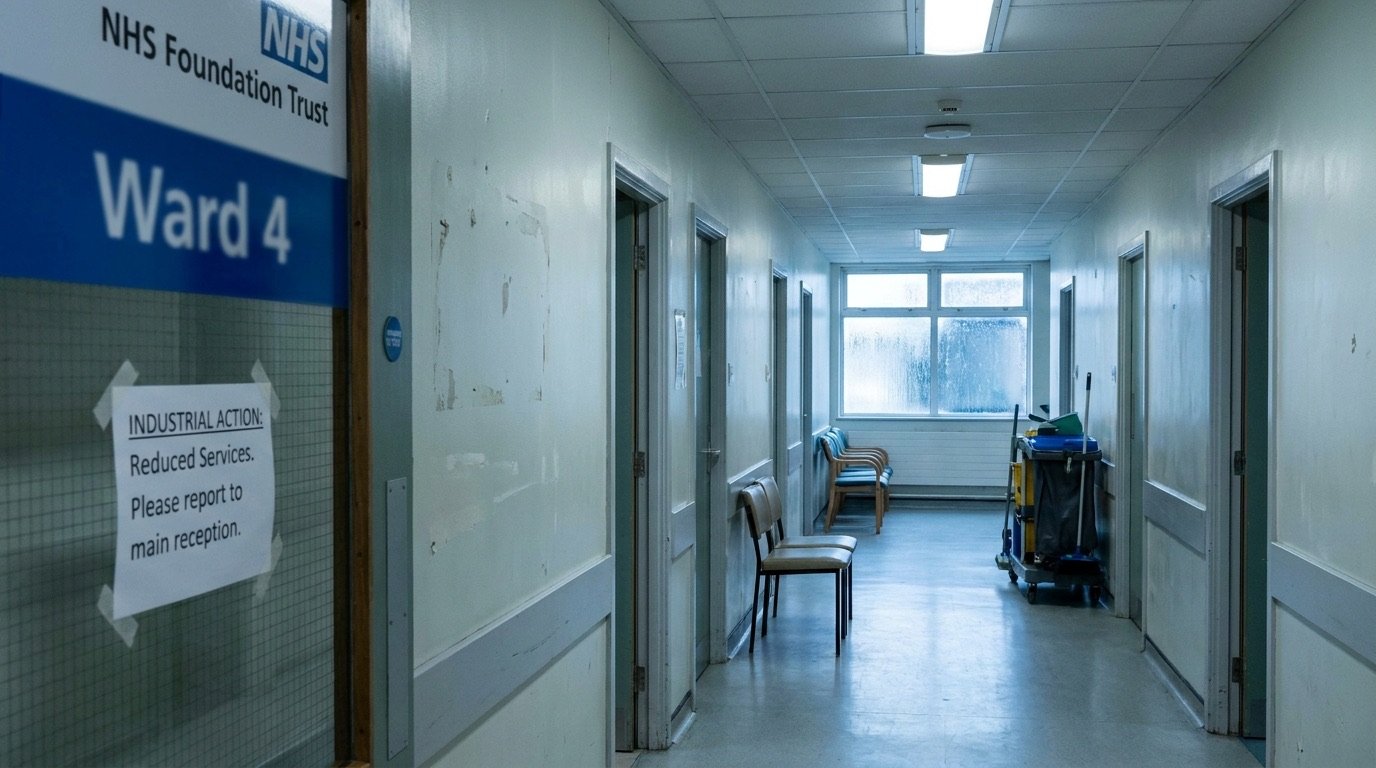
A five-day strike by resident doctors in England, scheduled to begin at 7am on Monday 15 June and run until just before 7am on Friday 19 June, was suspended at the eleventh hour after the British Medical Association and the government reached a revised pay and jobs offer. The reprieve spares the NHS a fourth round of sustained industrial action in the dispute and removes the prospect of mass appointment cancellations during a week that had also been forecast to bring hot weather and the opening fixtures of the football World Cup.
The deal does not end the dispute outright. Instead it pauses the latest walkout while the BMA's Resident Doctors Committee puts the package to its members in a formal referendum. Union representatives have stressed that the existing strike mandate remains live, meaning fresh action could follow within weeks if doctors reject the terms. For now, though, hospitals across England will run scheduled care as normal.
This article is general information about an ongoing employment and public-health story and is not medical advice. Anyone with an urgent health concern should continue to use NHS services in the usual way.
What is in the offer
According to figures circulated as the talks concluded, the package centres on a revised average pay uplift of 6.6 per cent, to be fully implemented by April 2027. Crucially for many doctors, the deal also addresses two non-pay grievances that have driven much of the anger: the security of contract terms and the chronic shortage of training posts that leaves qualified doctors unable to progress.
Ministers indicated that standard 2016 contract terms would be extended to all locally employed clinicians, and that around 4,500 new NHS roles would be created over three years to ease the bottleneck in specialty training. The combination is significant because the committee has repeatedly argued that pay alone never captured the full picture of why early-career doctors were leaving the health service or moving abroad.
- A revised average pay uplift of 6.6 per cent, fully in place by April 2027
- Standard 2016 contract terms extended to all locally employed clinicians
- Roughly 4,500 new NHS roles created over three years to ease the training-post squeeze
- A formal BMA member referendum to accept or reject the package
- The existing strike mandate retained, allowing renewed action if members vote no
NHS England said that, with the walkout suspended, around 95 per cent of operations and scheduled appointments would go ahead as planned, and urged patients to attend unless their hospital contacted them directly about a change.
How the dispute reached this point
The current standoff is the latest chapter in a long-running argument over what the BMA describes as real-terms pay erosion stretching back well over a decade. The Resident Doctors Committee took three rounds of five-day action across 2025, and tensions had been building again as the June dates approached. The timing drew particular concern from health leaders, who warned that a strike colliding with hot weather and a major sporting tournament could pile avoidable pressure on already stretched emergency departments.
That backdrop helps explain why both sides appeared keen to find a route out before the deadline. A&E attendances had already hit a record monthly high earlier in the spring, and a prolonged walkout would have forced trusts to redeploy senior staff to cover gaps, squeezing planned care still further.
“The package recognises that this was never only about a single year's pay figure. The training bottleneck has been the quiet driver of so much of the discontent, and that is finally being acknowledged.”
— a clinician familiar with the negotiations
What the referendum means
Putting the offer to a vote rather than simply accepting it reflects the committee's structure and the strength of feeling among members. A referendum allows the wider membership to judge whether the combination of money, contract security and new posts is enough to draw a line under the dispute. If doctors endorse the deal, it would mark the most substantial de-escalation in the conflict to date.
If they reject it, the retained mandate means strike action could resume the following month, restoring the disruption the suspension has temporarily averted. Health officials will therefore be watching the ballot closely, as will patients whose procedures have already been rescheduled during previous rounds of action.
Background
Resident doctors, formerly known as junior doctors, are qualified medics in training grades who make up a large share of the front-line clinical workforce in hospitals. Their dispute has been one of the defining industrial stories of recent NHS history, with repeated walkouts since 2023 over pay, working conditions and career progression. Each round has required hospitals to postpone tens of thousands of appointments and operations, adding to elective waiting lists the government has pledged to bring down.
What happens next
Attention now turns to the BMA's referendum timetable and the result. A yes vote would allow ministers and the union to focus on implementation, including the phasing of the pay rise and the creation of the promised training roles. A no vote would reopen the prospect of summer strikes. Either way, the underlying questions about how the NHS recruits, retains and rewards its doctors are unlikely to disappear, and this offer is best read as a significant staging post rather than a final settlement.
Sources: reporting by Department of Health and Social Care.
The NE Times is an independent news and analysis publisher. Our articles combine factual reporting with clearly-written, impartial analysis. Content is for general information and does not constitute professional advice. Disclaimer.
You may also like to read

Resident doctors vote on pay offer that suspended four-day strike
A four-day walkout planned for the heatwave-hit week of 15 June was called off so that resident doctors in England could vote on a government offer worth an average 6.6 per cent and 4,500 new training places, with the ballot closing on 26 June.

Resident doctors call off June strikes as BMA puts new pay offer to members
Planned strikes by resident doctors in England have been suspended after a last-minute government offer including an average 6.6% pay rise and thousands of new training places, which will now go to a membership referendum.

Teachers Edge Towards Summer Strikes as Government Prepares Pay Verdict
With 96 per cent of National Education Union members rejecting an unfunded 6.5 per cent offer spread over three years, ministers face a fraught decision on the 2026 pay award that could trigger the first national school strikes since 2023.

Resident doctors in England to strike for five days over pay
Members of the British Medical Association are set to walk out from 15 to 19 June after talks over pay restoration failed to produce an improved offer.