Scam Fatigue: New Polling Shows Digital Fraud Is Now a Daily Pressure on Ordinary Life
AP-NORC and Gallup polling finds most US adults face suspected scam messages daily — evidence that fraud has become a routine tax on digital trust.
Rajan Mehta
Writer ·

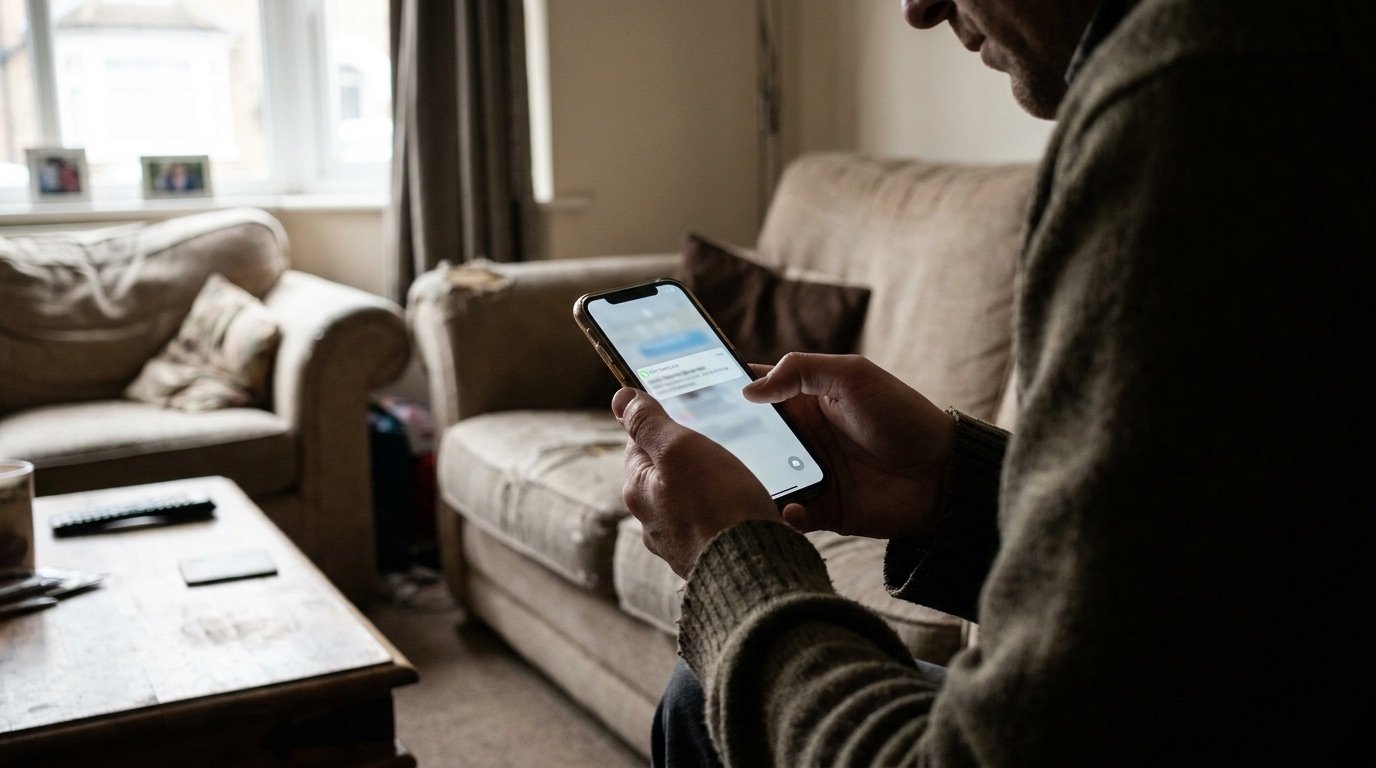
Two new pieces of polling have put numbers on something many people already feel every time their phone buzzes: the suspicion that the message on the screen is not what it claims to be. Taken together, the surveys suggest fraud has stopped being an occasional misfortune and become a permanent background condition of digital life — one that quietly shapes how people treat every text, call and notification they receive.
What happened
An Associated Press-NORC poll, reported by AP and PBS NewsHour, found that 58% of US adults say they receive daily texts, calls, emails, online messages or adverts they suspect are scams. Roughly three in ten adults say they have personally been tricked into handing over money or personal information. A separate Gallup survey with the Stop Scams Alliance found about one in ten adults saying they or someone in their household lost money to a scam in 2025. Common lures included fake package-delivery notices and bogus banking alerts, with many attempts arriving through Facebook, Messenger, WhatsApp and Instagram.
Why it matters
The figures dismantle a comforting assumption: that scams mainly catch the careless or the credulous. When a majority of adults report daily attempts, exposure is universal and the methods are engineered to exploit distraction rather than gullibility. A fake delivery text works precisely because people really are tracking parcels; a counterfeit bank alert works because account security genuinely matters. The harm also extends beyond stolen money. Once inboxes and message threads feel polluted, people begin distrusting legitimate communication — real fraud warnings, appointment reminders, tax notices — which degrades the reliability of digital channels for everyone. The most telling finding may be the reporting gap. AP noted that only a minority of victims report scams to law enforcement, even though the Gallup polling suggests around eight in ten Americans think government is doing too little to stop fraud. That combination is corrosive: victims stay silent because they doubt anything will come of a report, and enforcement stays under-informed because victims stay silent. The cycle serves scammers far better than consumers.
The bigger picture
The sensible conclusion is not that individuals should simply try harder. Personal vigilance — refusing to share codes, verifying payment requests independently, treating urgency as a warning sign — reduces risk, but the sheer volume of attempts has outgrown an individual-only defence. Banks, telecoms firms, platforms, payment apps and police all sit in the prevention chain, and the polling implies the chain needs to be far more legible: a single, visible route for reporting, and credible feedback so victims know their report contributed to blocking numbers or tracing networks even when money cannot be recovered. The same pattern is familiar to UK consumers, where reimbursement rules for authorised push payment fraud have forced a similar debate about where responsibility should sit.
What happens next
Expect pressure to shift from consumer-education campaigns towards structural fixes: harder-to-spoof sender identification, faster platform takedowns of impersonation accounts, and clearer reporting pipelines. The polling describes no single dramatic event, which is exactly the point — it describes an everyday condition. Until reporting becomes simpler and impersonation harder, consumers will keep absorbing the cost of that condition one suspicious message at a time.
Sources: reporting by Associated Press.
The NE Times is an independent news and analysis publisher. Our articles combine factual reporting with clearly-written, impartial analysis. Content is for general information and does not constitute professional advice. Disclaimer.
You may also like to read
Pressure mounts over scam adverts as fraudsters exploit trusted names
Consumer champions have demanded tougher action on scam adverts after fresh warnings about fraudsters impersonating well-known figures, the Postcode Lottery and major retailers to part the public from their money.

Fraud fightback ramps up as new online crime squad targets scam gangs
Investigators are stepping up efforts against the criminals behind online scams, from cryptocurrency fraud to services that defeat banking security, as a new Online Crime Centre brings together police, banks and tech firms.

AI memorial videos are turning digital grief into a mainstream dilemma
South Korean families are commissioning AI videos of dead relatives who speak again. The comfort is real — and so are the consent and truth problems.

Forty mayors sign data centre pact — and turn AI infrastructure into a city problem
A C40-linked pact signed during London Climate Action Week gives city halls a formal voice on where AI data centres are built, powered and cooled.