Pressure mounts over scam adverts as fraudsters exploit trusted names
Consumer champions have demanded tougher action on scam adverts after fresh warnings about fraudsters impersonating well-known figures, the Postcode Lottery and major retailers to part the public from their money.
Eleanor Whitfield
Writer ·
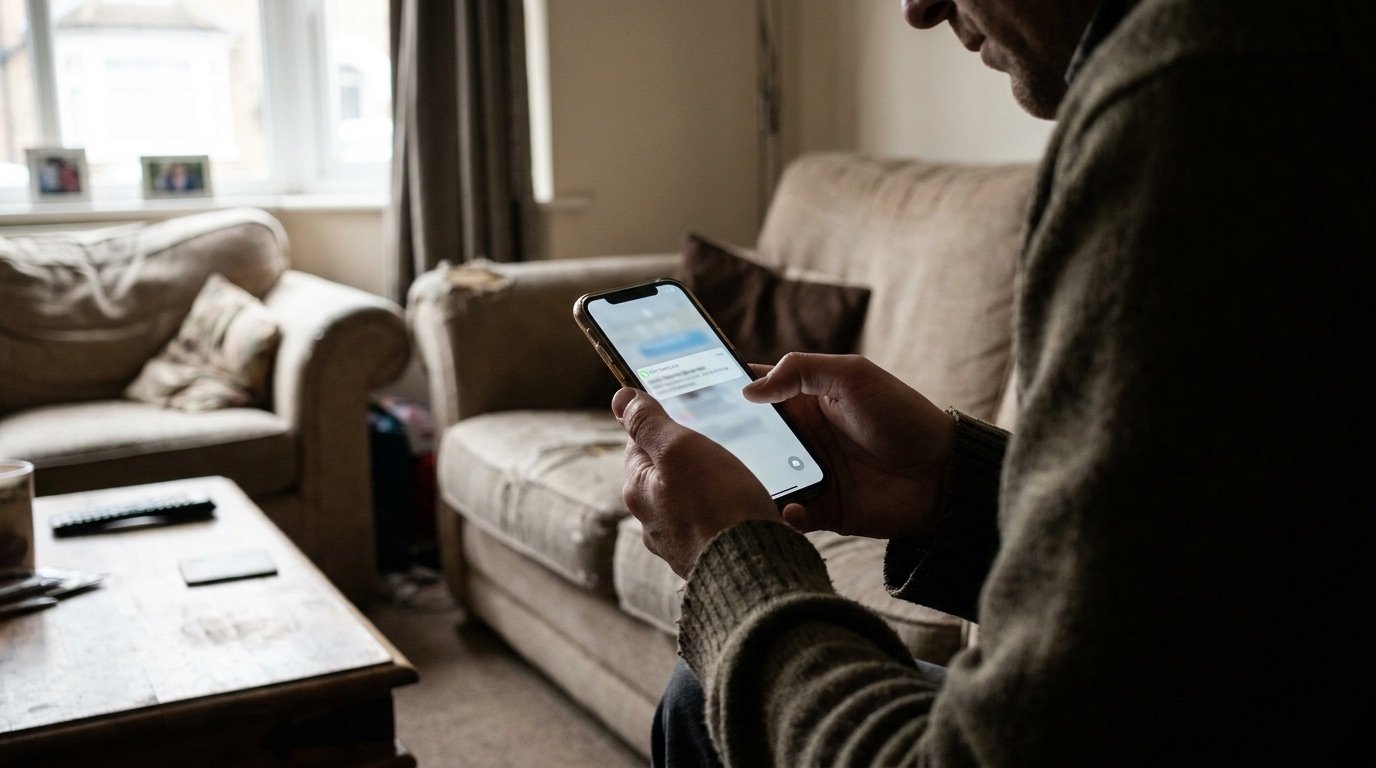
Consumer champions have intensified their demands for action against scam adverts, warning that fraudsters are exploiting trusted names and online platforms on an industrial scale. The renewed pressure follows a string of warnings about scams impersonating public figures, lotteries, retailers and even the Government itself.
Money-saving campaigners and consumer groups recently wrote jointly to the Prime Minister, accusing the Government of failing to get to grips with the problem of fraudulent advertising and arguing that ordinary people are paying the price for inaction by both ministers and the technology giants whose platforms carry the ads.
The warnings come amid a steady drumbeat of individual scam alerts, from fake lottery wins to bogus job offers, each designed to lend criminal schemes a veneer of legitimacy by borrowing the credibility of a recognisable brand or face.
The faces fraudsters steal
One of the most persistent tactics is the use of well-known personalities to lend false authority to investment and prize scams. The image of one prominent consumer journalist has been used repeatedly without consent in fraudulent adverts, and analysis of fraud reports has found him among the most frequently impersonated public figures, alongside global celebrities and tech billionaires.
Because victims trust the person they believe is endorsing the scheme, these adverts can be devastatingly effective, luring people into fake investments or handing over personal and banking details to criminals.
“My face has been plastered all over the internet by criminals for years. Every day people lose money to ads that pretend I am recommending a scheme I have never heard of. The platforms profit from these ads and must be made to stop them.”
Lotteries, jobs and retailers
Beyond celebrity impersonation, fraud reporting bodies have flagged a surge in scams mimicking well-known lotteries, with criminals contacting people by phone and through fake social media accounts claiming they have won prizes they never entered for. Victims are typically asked to pay a fee or hand over details to release their supposed winnings.
Job scams have also proliferated, with fraudsters harvesting details from legitimate recruitment sites, posing as employers, conducting fake interviews and then demanding administration fees for non-existent overseas roles. Retail account fraud has risen too, with one major retailer named in well over a thousand fraud reports since the start of the year.
- Fraudsters are impersonating well-known figures to lend credibility to investment scams.
- Fake lottery scams contact people by phone and via bogus social media accounts.
- Job scams involve fake interviews followed by demands for administration fees.
- Retail account fraud has featured in over a thousand reports this year.
- Campaigners want platforms held responsible for the scam ads they carry.
How to protect yourself
Experts stress a few simple principles that defeat the vast majority of scams. Be deeply sceptical of any unexpected message promising money, whether a prize, a refund or an investment opportunity, and never act on the urgency that fraudsters manufacture to rush you into a decision.
Legitimate organisations will not ask you to pay a fee to receive winnings, nor will banks or the Government ask you to move money to a 'safe account'. When in doubt, contact the organisation directly using a number you have looked up independently, and report suspected scams to the relevant authorities.
“If it sounds too good to be true, it is. Stop, take a breath, and check independently before you part with a penny or a single piece of personal information. That pause is your best defence.”
Background
Online fraud has become one of the most common crimes in the UK, costing victims billions of pounds a year and inflicting lasting financial and emotional damage. Much of it now begins with an advert or message on a mainstream platform, raising difficult questions about the responsibility of the companies that host and profit from such content.
Legislation has placed new duties on technology firms to tackle fraudulent advertising, but campaigners argue that enforcement has been slow and that too many scam ads still slip through, leaving consumers exposed.
What happens next: pressure on the Government and the platforms looks set to grow, with consumer groups pressing for faster removal of scam ads and stronger penalties. In the meantime, vigilance remains the public's most reliable protection against an ever-evolving threat.
Sources: reporting by MoneySavingExpert.
The NE Times is an independent news and analysis publisher. Our articles combine factual reporting with clearly-written, impartial analysis. Content is for general information and does not constitute professional advice. Disclaimer.
You may also like to read

Fraud fightback ramps up as new online crime squad targets scam gangs
Investigators are stepping up efforts against the criminals behind online scams, from cryptocurrency fraud to services that defeat banking security, as a new Online Crime Centre brings together police, banks and tech firms.

Scam Fatigue: New Polling Shows Digital Fraud Is Now a Daily Pressure on Ordinary Life
AP-NORC and Gallup polling finds most US adults face suspected scam messages daily — evidence that fraud has become a routine tax on digital trust.

Parents back tougher screen rules as children embrace AI, polling shows
New government polling reveals strong public support for limits on young children's screen time and a possible social media ban for under-16s, even as surveys find a majority of children already using AI every day.

Government unveils sweeping ban on social media for under-16s
Snapchat, TikTok, Instagram and X will be off-limits to children under 16 under plans the prime minister says will give young people their childhood back.