Philippines vows to block Chinese structure at disputed Scarborough Shoal
Manila has confirmed a floating platform at the contested South China Sea feature and lodged a diplomatic protest, while Beijing insists the installation is part of an environmental research mission.
Marcus Reeve
Writer ·
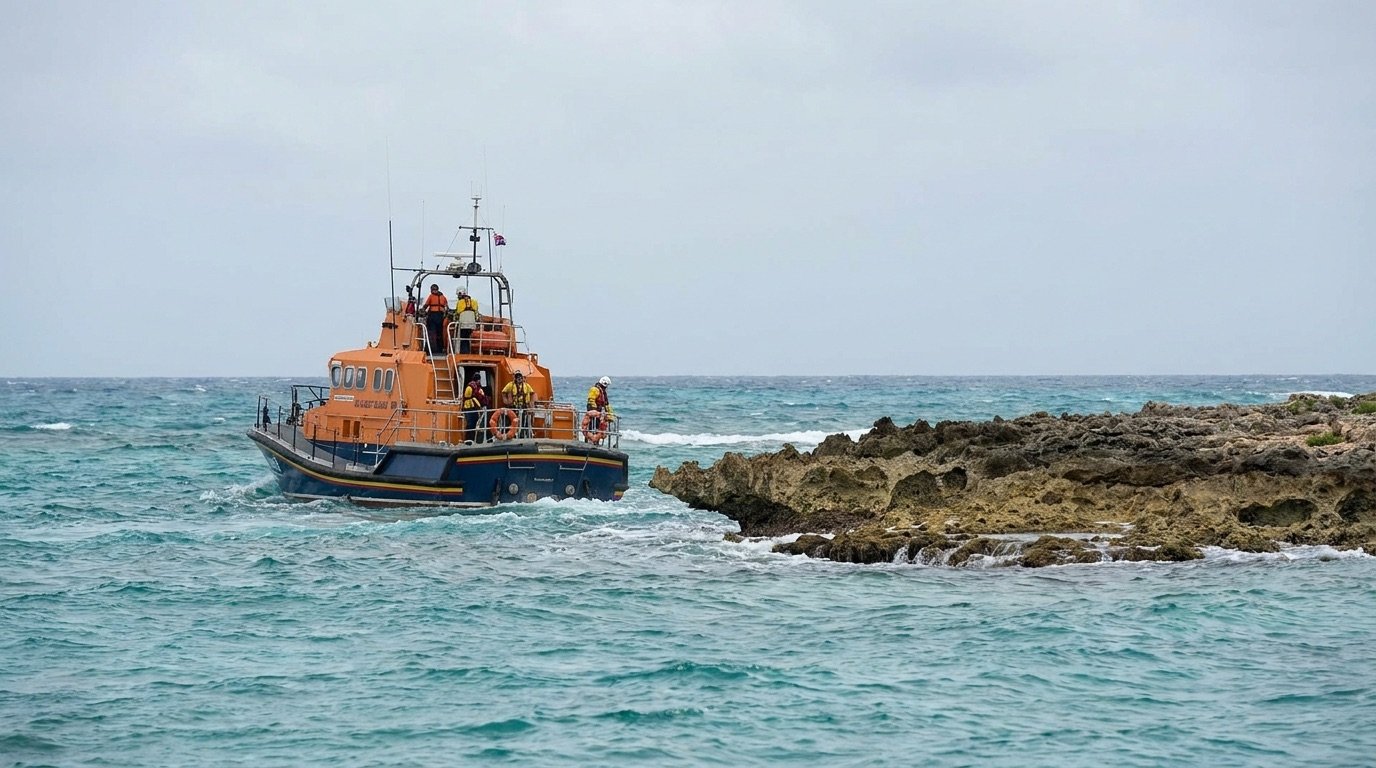
The Philippines has confirmed the presence of a Chinese floating structure at Scarborough Shoal, one of the most fiercely contested features in the South China Sea, and vowed that it will not permit any permanent installation to be built there. Manila has lodged a diplomatic protest over the platform, which it says measures roughly 20 feet by 20 feet and appears to carry an antenna.
Beijing, for its part, has characterised the platform as part of a research mission, describing it as a tool for environmental monitoring and sampling. The competing accounts have reignited one of the most persistent flashpoints in the region, where small physical changes carry outsized strategic and legal significance.
Conflicting accounts
The Armed Forces of the Philippines said it would not allow any structure to be built at the shoal, speaking nearly three weeks after satellite imagery first suggested a possible platform in the area. Philippine officials have framed the issue squarely in terms of sovereignty, saying the protection of Manila's rights and jurisdiction remains a paramount consideration.
China has said the research mission began on 20 May and involved deploying a floating platform for environmental purposes. The discrepancy between an installation Manila views as an encroachment and one Beijing presents as benign scientific work is characteristic of the grey-zone tactics that define disputes in these waters.
“The protection of our sovereignty and jurisdiction remains a paramount consideration, and we will not allow any structure to be built at the shoal.”
— A Philippine defence official
A long-running flashpoint
Scarborough Shoal lies within the Philippines' exclusive economic zone but has been effectively controlled by China since a 2012 stand-off. It has since become a recurring trigger for confrontations, with Philippine vessels and fishermen frequently reporting harassment by Chinese coast guard and maritime forces.
Manila has lodged numerous diplomatic protests over Chinese activity in the area in recent years, and incidents involving water cannon and blocking manoeuvres have repeatedly raised tensions. The appearance of any new structure is therefore read by Philippine authorities as a potential step toward entrenching Chinese presence.
- Floating structure roughly 20 feet by 20 feet, reportedly fitted with an antenna
- Philippines has lodged a diplomatic protest and vowed to block any construction
- China says the platform is part of an environmental research mission begun on 20 May
- Scarborough Shoal sits within the Philippine EEZ but has been controlled by China since 2012
- The shoal is a recurring site of coast guard confrontations
Regional stakes
The episode comes amid heightened activity in the South China Sea, including patrols by Chinese forces near the shoal following joint Philippine and US maritime exercises. Manila has deepened its security cooperation with Washington and other partners, framing the disputes as part of a broader contest over the rules governing one of the world's busiest waterways.
For smaller claimant states, each new structure or patrol carries a precedent-setting quality, which is why even a modest platform can provoke a sharp diplomatic response.
Manila has increasingly chosen to publicise incidents at sea, releasing imagery and statements that put Chinese activity under international scrutiny. This transparency strategy, sometimes described as assertive transparency, is intended to rally diplomatic support and document a pattern of behaviour, even as it risks raising tensions with Beijing in the short term.
Background
China claims sovereignty over most of the South China Sea, a position rejected by an international arbitration ruling in 2016 that found in favour of the Philippines on key points. Beijing does not recognise that ruling. The sea is a vital artery for global trade and is believed to hold significant fisheries and energy resources, making the overlapping claims of China, the Philippines, Vietnam and others a durable source of tension.
Scarborough Shoal, a triangular chain of reefs and rocks, holds particular symbolic and strategic value because of its location and the access it provides to surrounding waters.
What it means
The immediate question is whether the floating platform is removed or becomes a more permanent fixture, a distinction that could determine how sharply the dispute escalates. Manila's pledge to block any construction sets up a potential test of wills, while the involvement of outside partners adds a wider dimension. For now, the stand-off illustrates how the South China Sea remains a place where small structures can carry large consequences, and where the gap between rival narratives leaves little room for easy resolution.
Sources: reporting by South China Morning Post.
The NE Times is an independent news and analysis publisher. Our articles combine factual reporting with clearly-written, impartial analysis. Content is for general information and does not constitute professional advice. Disclaimer.
You may also like to read

Ezra Jin's Release Puts Quiet Diplomacy and China's House Churches Back in Focus
The Zion Church founder has been released from prison in China and reunited with his family in the US, in a rare case that tests case-by-case diplomacy.

Philippines blocks gaming app after deadly school shooting
Authorities moved against an app linked to two student suspects after a shooting in Tacloban killed three students, widening debate over youth safety and firearm access.
Japan says China has detained two citizens in rare-earths case
Tokyo says Chinese customs notified its consular offices of detentions over alleged smuggling, reportedly linked to critical minerals.
China pushes back as the US widens its technology sanctions pressure
Beijing has condemned fresh American export-control measures as the politicisation of trade and security, deepening a contest over semiconductors, defence-linked firms and the supply chains that underpin modern economies.