Schroders falls to £9.9bn US bid as foreign buyers feast on cheap British firms
The agreed takeover of one of the City's grandest names by America's Nuveen has become the defining symbol of a 2026 bid frenzy, as overseas predators and private equity hunt out the UK's persistently undervalued listed companies.
Rajan Mehta
Writer ·

When Schroders agreed to a £9.9 billion takeover by the American investment giant Nuveen, it did more than end the independence of one of the City of London's most venerable names. It crystallised the dominant theme of the British market in 2026: a relentless wave of takeover activity as foreign buyers and private-equity firms exploit the deep discount at which UK-listed companies still trade.
Under the terms of the deal, Schroders shareholders have been offered £5.90 per share plus dividends of up to 22p, valuing the FTSE 100 group at close to £10 billion. The combination would create a transatlantic asset-management heavyweight overseeing almost $2.5 trillion, equivalent to roughly £1.8 trillion. Schroders shares leapt by more than a quarter when the approach was confirmed, a measure of how far the market had previously marked the business down.
The agreement, which still requires regulatory approval, is expected to complete in the final quarter of 2026. This is general business news rather than investment advice, but the deal speaks to a question that increasingly preoccupies the City: can London hold on to its biggest companies?
Why the bidders are circling
The logic behind the bid wave is straightforward. After years in which UK shares lagged their American and European counterparts, many strong British businesses ended up trading at valuations that overseas buyers and private-equity houses regard as simply too cheap to ignore. Where public markets see risk, the bidders see a bargain, and they have the firepower to act.
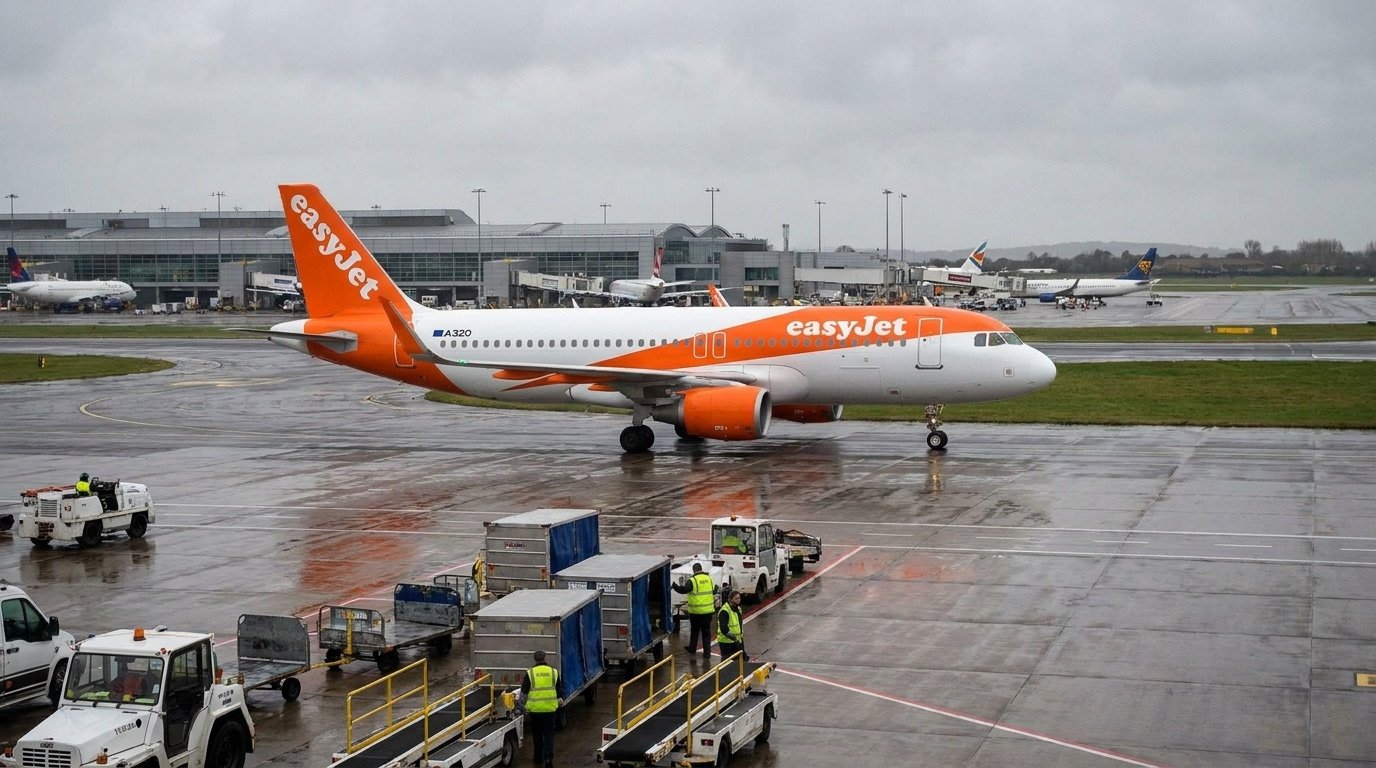
Schroders is far from alone. The mid-cap FTSE 250 has been a particular hunting ground, with names from across the market drawing approaches. The budget airline easyJet attracted interest from a US investment firm, while a string of other listed companies have fielded bids, fuelled buyout speculation or seen their shares jump on takeover rumours. The cumulative effect has been to push valuations higher even as the number of independent listed firms falls.
“The valuation gap became the single biggest investment story of the year. If the public market will not pay a fair price for a quality British business, someone with a chequebook eventually will.”
— An analyst covering UK financials
What it means for the City of London
For shareholders, takeovers at a premium are a windfall. For the City as a financial centre, the trend is more double-edged. Each major acquisition removes another company from the London market, shrinking the pool of investable British businesses and reducing the fees, jobs and prestige that flow from a deep, liquid home market.
The firms involved have sought to soften the blow. In the Schroders case, the parties said the Schroders brand would be retained and that London would serve as the combined group's head office outside the United States, with around 3,100 staff. Such assurances are common in cross-border deals, but history suggests that decision-making power tends, over time, to gravitate towards the acquirer's home base.
- Schroders shareholders are offered £5.90 per share plus dividends of up to 22p, valuing the deal at about £9.9 billion.
- The enlarged group would manage close to $2.5 trillion (roughly £1.8 trillion) in assets.
- Schroders shares jumped more than 25% when the approach was announced.
- The deal is expected to complete in the fourth quarter of 2026, subject to regulatory clearance.
- London would remain the combined group's headquarters outside the US, with around 3,100 staff.
- Other UK firms, including easyJet, have drawn takeover interest amid a broader 2026 bid wave.
Background
Schroders traces its roots back more than two centuries and has long been one of the pillars of British asset management, still influenced by its founding family. Its agreement to sell to Nuveen, the investment arm of a large US institution, would mark the end of that independence and rank among the most significant pieces of consolidation the sector has seen.
The deal also reflects intense pressure across the asset-management industry, where scale increasingly dictates survival. Squeezed by the relentless shift towards low-cost passive funds and rising technology and compliance costs, mid-sized active managers have found it ever harder to compete with the giants, making transatlantic mega-mergers look less like ambition and more like necessity.
What happens next
Regulators on both sides of the Atlantic will now scrutinise the tie-up, and rival bidders cannot be entirely ruled out, though none has emerged. The bigger question is whether the Schroders deal proves to be a high-water mark or merely another staging post in a longer drain of companies away from public ownership in London. For policymakers worried about the future of the UK's capital markets, the answer matters enormously, and the trend, for now, is pointing in only one direction.
Sources: reporting by Yahoo Finance UK.
The NE Times is an independent news and analysis publisher. Our articles combine factual reporting with clearly-written, impartial analysis. Content is for general information and does not constitute professional advice. Disclaimer.
You may also like to read

EasyJet rejects £4.7bn Castlelake takeover proposal as deadline looms
The low-cost carrier has rebuffed a 625p-a-share all-cash approach from US investment firm Castlelake, which now has until 26 June to decide whether to make a firm offer.

Footsie's record-breaking run: how London became 2026's reluctant bull market
The FTSE 100 smashed through 10,000 points for the first time in January and has spent the year setting fresh records, yet many ordinary investors and pension savers are only dimly aware that British shares are having their best run in a generation.
easyJet calls Castlelake takeover interest 'opportunistic' as deadline looms
The budget airline has rebuffed early-stage approach talk from the US investment firm, with a Takeover Code deadline of 26 June forcing Castlelake to bid or back off.
EQT's £9bn swoop on Intertek caps a record run of bids for British firms
The Swedish private equity group's indicative £60-a-share offer for the testing giant is the latest in a takeover wave that has put more than £22bn of UK companies in play this year.