easyJet calls Castlelake takeover interest 'opportunistic' as deadline looms
The budget airline has rebuffed early-stage approach talk from the US investment firm, with a Takeover Code deadline of 26 June forcing Castlelake to bid or back off.
Rajan Mehta
Writer ·
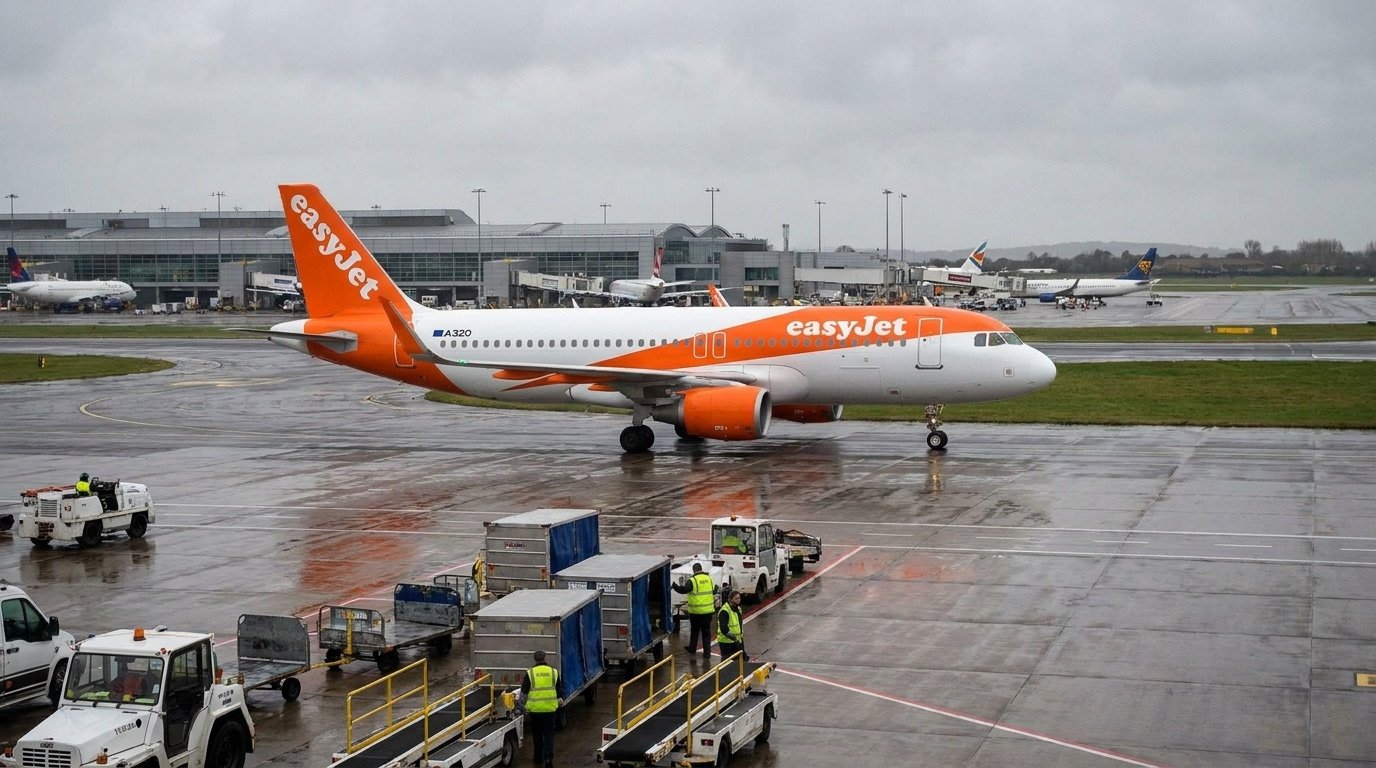
easyJet has found itself unexpectedly in play. The budget airline has been forced to respond to confirmation that US investment firm Castlelake is in the early stages of weighing a possible offer for the company, an approach easyJet's board has bluntly described as highly opportunistic. Under the UK Takeover Code, Castlelake has until 5pm on 26 June either to announce a firm intention to bid or to confirm that it will not proceed.
Castlelake, which already holds a stake of around 2.14% in easyJet, equivalent to roughly 16.2 million shares, has stressed that it is only at the early stages of considering an offer, that no approach has yet been made to the board, and that there is no certainty any bid will materialise. Reports have valued the airline at around £3 billion and suggested any offer would need to be pitched comfortably above the recent share price.
The situation has thrown a spotlight on the value locked up in easyJet, and on the structural quirks that make taking over a European airline far from straightforward.
A cool reception from the board
easyJet's board has made little secret of its scepticism. It has said it has held no discussions with Castlelake and received no formal approach or proposal, while leaving the door open to consider any concrete offer that might eventually be tabled. Describing the interest as opportunistic signals a clear view that any approach would be seeking to capture the company on the cheap, at a time when the shares have been under pressure.
For Castlelake, confirming its interest under stock-market rules triggers the clock. The Takeover Code's put-up-or-shut-up regime is designed precisely to stop potential bidders leaving target companies in limbo, forcing a decision within a defined window. That deadline now hangs over easyJet's shares and over the airline's management as they head into the crucial summer season.
- Deadline: Castlelake must bid or walk away by 5pm on 26 June
- Castlelake's existing stake: about 2.14%, roughly 16.2 million shares
- Reported valuation: easyJet worth around £3 billion
- easyJet's stance: approach described as 'highly opportunistic', no talks held
- Complication: any bidder must satisfy EU airline ownership and control rules
Why an airline is so hard to buy
Airlines are not ordinary takeover targets. To retain their operating rights within the European Union, carriers must remain majority-owned and controlled by EU interests, a rule that complicates any acquisition by a US-based investor. Reports suggest Castlelake has been exploring a partnership with a European group as a potential consortium partner, a structure that could help satisfy those ownership requirements if a bid were to proceed.
Beyond ownership rules, easyJet's real prize is its portfolio of airport slots, the valuable rights to take off and land at congested airports. Analysts have argued that the worth of those slots means any approach should not be dismissed lightly, even if the headline price looks opportunistic, because they are extremely difficult to replicate and underpin the airline's network.
“The slot portfolio is the crown jewel. You cannot simply go out and buy take-off and landing rights at Europe's busiest airports, which is exactly why a well-positioned airline attracts this kind of interest even when the market is nervous.”
— Aviation analyst, on the value underpinning easyJet
A turbulent backdrop for the sector
The approach comes at a testing time for European aviation. Higher fuel costs have squeezed margins across the industry, with major groups warning of sharply increased kerosene bills, while the conflict in the Middle East has weighed on demand on some routes and added uncertainty to airspace and scheduling. Passenger numbers at some major hubs have softened compared with a year earlier.
Against that, easyJet has continued to expand, adding new routes from a string of UK airports for the season ahead. That mix of near-term pressure and long-term franchise value is precisely what tends to attract opportunistic capital: buyers betting that today's headwinds have left a fundamentally strong business undervalued.
Background
easyJet is one of Europe's largest low-cost carriers, built on a point-to-point network across the UK and the continent and a sizeable package-holidays arm. As a UK-listed company it is subject to the Takeover Code, the rulebook overseen by the Takeover Panel that governs how bids must be conducted, including disclosure requirements and the strict deadlines that force potential bidders to declare their hand. Castlelake is a US-based investment firm specialising in asset-rich sectors, with aviation among its areas of interest.
The EU ownership rules that complicate any deal stem from international aviation agreements designed to keep airlines under domestic or regional control, a long-standing feature of the industry that has shaped, and often frustrated, cross-border consolidation.
What happens next
The 26 June deadline is now the key date. Castlelake must either firm up its interest into a formal offer, potentially with a European partner to navigate ownership rules, or step back and let the speculation subside. easyJet's board, having signalled its scepticism, will judge any concrete proposal on price and deliverability. For passengers and staff, the immediate priority remains the summer schedule, but the corporate drama playing out above them could reshape one of Britain's best-known airlines. This article is general information and not financial advice.
Sources: reporting by Aviation Business News.
The NE Times is an independent news and analysis publisher. Our articles combine factual reporting with clearly-written, impartial analysis. Content is for general information and does not constitute professional advice. Disclaimer.
You may also like to read
EasyJet rejects £4.7bn Castlelake takeover proposal as deadline looms
The low-cost carrier has rebuffed a 625p-a-share all-cash approach from US investment firm Castlelake, which now has until 26 June to decide whether to make a firm offer.

EasyJet takeover deal puts low-cost aviation at a strategic crossroads
EasyJet's reported agreement in principle to a 5.5bn takeover by US firm Castlelake would test how budget airlines adapt to capital pressure and a changing travel market.

Schroders falls to £9.9bn US bid as foreign buyers feast on cheap British firms
The agreed takeover of one of the City's grandest names by America's Nuveen has become the defining symbol of a 2026 bid frenzy, as overseas predators and private equity hunt out the UK's persistently undervalued listed companies.

EQT's £9bn swoop on Intertek caps a record run of bids for British firms
The Swedish private equity group's indicative £60-a-share offer for the testing giant is the latest in a takeover wave that has put more than £22bn of UK companies in play this year.