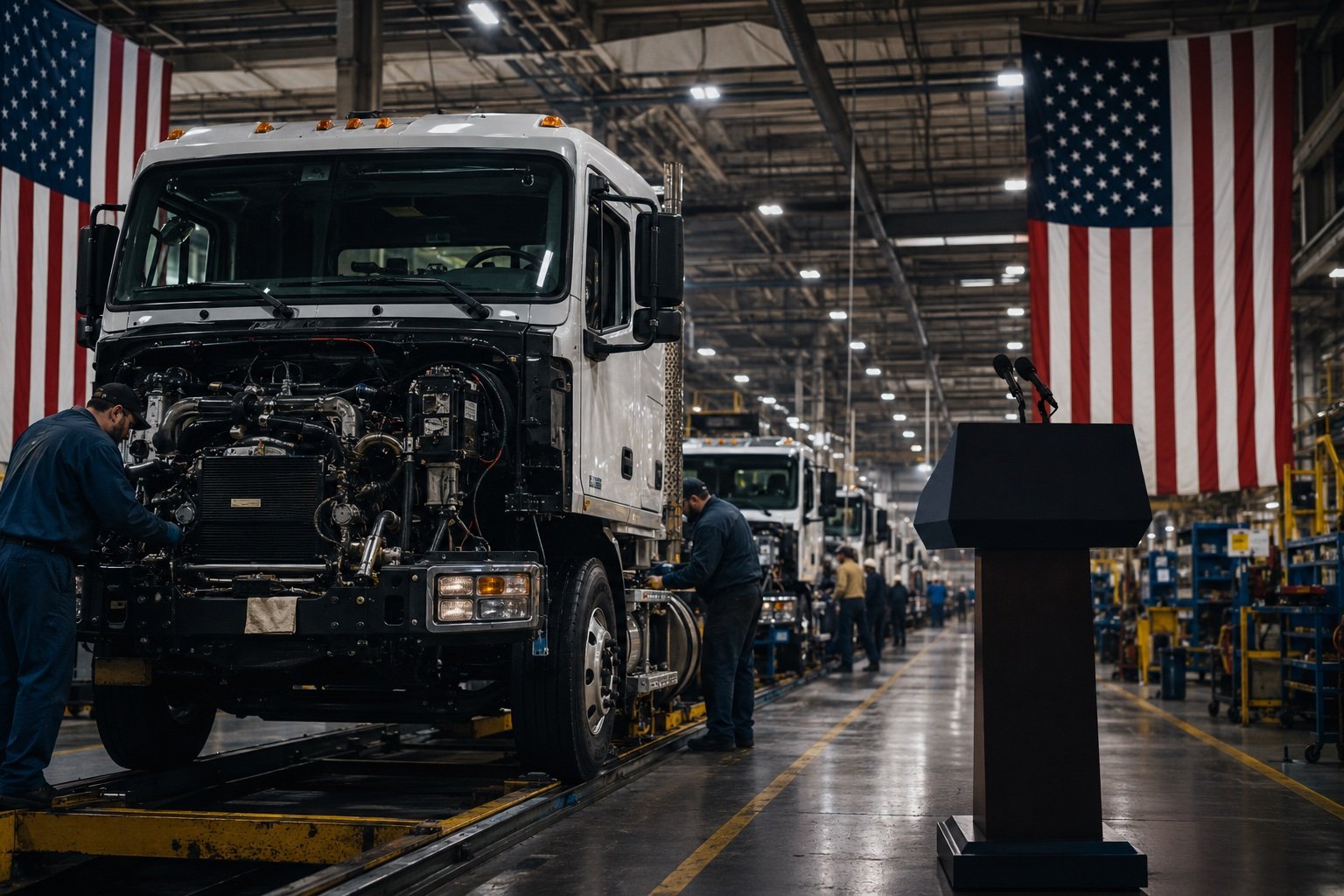
Sheffield-Made Artillery Barrels Reach Ukraine: Why UK Defence Manufacturing Is Being Rebuilt
The first British-made forged artillery barrels in almost two decades are reaching Ukraine. Why barrel-making has returned to Sheffield and what sovereign capability means.
World Affairs Editor ·
Why it's trending
The return of artillery-barrel forging to Britain after almost two decades speaks to a wider rebuild of defence manufacturing driven by the war in Ukraine.
A production capability returns to Britain
The first British-made forged artillery barrels in almost two decades are being delivered to Ukraine under a £61 million government contract. A total of 150 barrels, in 105mm and 155mm calibres, are being produced through a programme involving BAE Systems and Sheffield Forgemasters. The announcement links immediate military support for Ukraine with a broader effort to rebuild sovereign defence-manufacturing capacity in the United Kingdom.
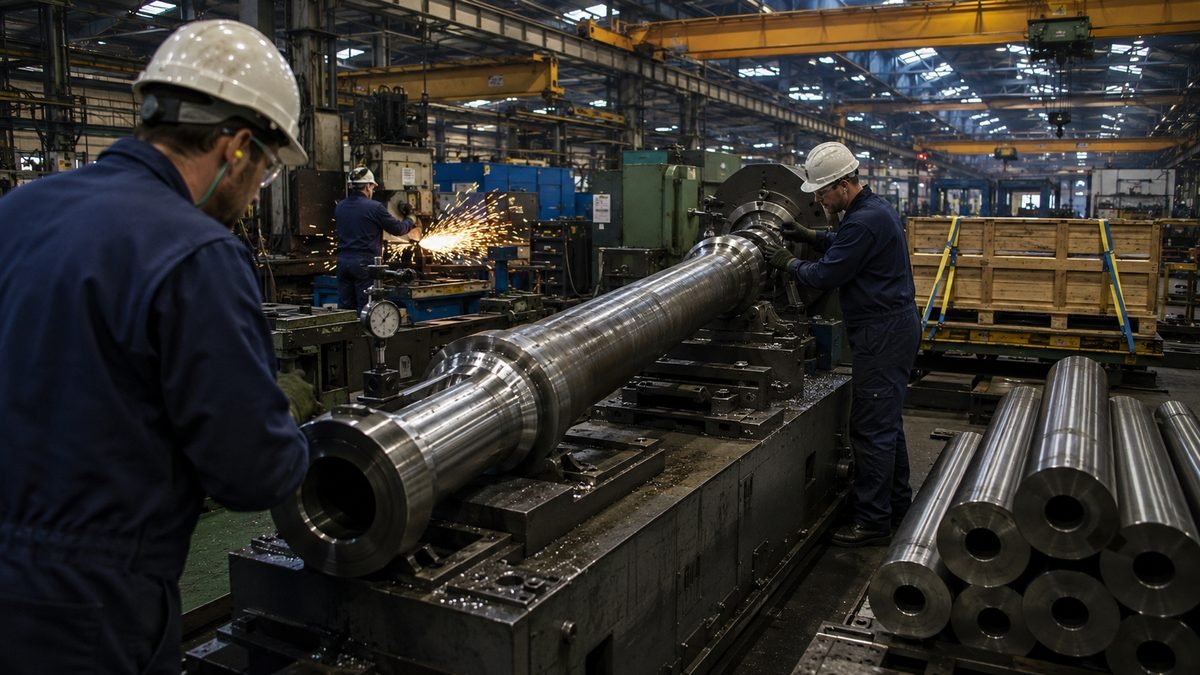
Artillery barrels are demanding engineering products. They must withstand repeated high-pressure explosions, extreme heat and precise wear tolerances while maintaining accuracy. Producing them requires specialist steel, forging, machining, inspection and quality assurance. The return of this capability is therefore more than an order for metal components. It represents investment in equipment, skills and a supply chain that can also support future British programmes. It also creates a domestic base for inspection, repair and design knowledge that would otherwise have to be sourced abroad during periods of urgent demand.
Why barrels have become strategically important
The war in Ukraine has shown that high-intensity conflict consumes ammunition and wears out weapons at a rate many European defence plans had not anticipated. A gun can remain mechanically functional while its barrel becomes less accurate or unsafe after extensive firing. Replacement barrels are consequently a critical part of sustaining artillery fleets, alongside shells, propellant, maintenance and trained crews.
European states discovered that decades of lean procurement and reduced industrial capacity made rapid replenishment difficult. Supply chains designed for small peacetime orders could not instantly meet wartime demand. Re-establishing barrel production gives the UK more control over delivery, reduces dependence on a limited number of overseas suppliers and creates the ability to expand output if national or allied requirements rise.
The Sheffield industrial ecosystem
Sheffield Forgemasters employs around 780 skilled staff and produces large, complex steel forgings and castings. More than 60 UK supply-chain businesses are expected to benefit from the barrel programme. The company is owned by the Ministry of Defence and is undergoing a £1.3 billion recapitalisation that includes a new 13,000-tonne forging line and a large machining hall. Those facilities are intended to support defence as well as civil nuclear and energy work.
BAE Systems has also opened a £25 million artillery factory in Sheffield, creating about 100 skilled jobs. Bringing forging, machining, weapon integration and supporting suppliers into a regional cluster can improve coordination and build a pipeline of apprentices and engineers. Sheffield's historic association with steel gives the project symbolic force, but the commercial test will be whether new facilities secure a steady sequence of orders rather than a short surge followed by another decline.
Jobs, skills and the meaning of sovereign capability
Defence programmes are often justified partly by employment, but the quality and durability of those jobs matter more than a headline total. Forging and precision machining require expertise developed through long training and practical experience. Once a workforce disperses, recreating it is expensive and slow. Long-term orders can support apprenticeships, supplier investment and research into materials and manufacturing methods.
Sovereign capability does not mean producing every component domestically regardless of cost. Allies benefit from specialisation and shared supply chains. It means retaining control over selected technologies and production processes that would be dangerous to lose. Artillery barrels qualify because they are critical, difficult to manufacture and likely to be in high demand during a crisis. The government must still demonstrate that domestic production is efficient, interoperable and capable of delivering at the required pace.
What the programme means for Ukraine
For Ukraine, the barrels are one part of a much larger requirement for weapons, ammunition, air defence, drones and maintenance support. The first four are described as development forgings, and production is planned to reach eight barrels a month. That flow will not determine the war alone, but it can keep individual systems operational and reduce pressure on other suppliers. The value lies in reliable, repeated delivery rather than a single announcement.
Military reporting should avoid revealing operational details not released by authorities or suggesting that delivery automatically means immediate frontline use. Barrels may require final machining, integration, inspection or allocation to specific systems. It is also important to distinguish assistance to Ukraine from direct UK participation in combat. The programme supplies equipment under government policy; British manufacturing workers are not thereby combatants.
The wider defence-industrial question
The government presents the project as evidence that higher defence spending can support reindustrialisation. That argument will be tested across procurement. Domestic factories need predictable demand, but taxpayers also need competitive pricing, transparent contracts and equipment that meets military requirements. Programmes should be assessed on delivery, readiness and export potential, not only ribbon-cutting and regional symbolism.
The return of barrel forging illustrates a lesson from Ukraine: industrial capacity is itself a form of national security. Stockpiles can be exhausted, but factories, skilled people and resilient suppliers allow a country to recover. Sheffield now has an opportunity to become a durable centre of artillery production again. Whether that happens will depend on orders beyond the initial 150 barrels, integration with allied demand and the ability of new investment to translate into dependable output.
Sources & verification
- UK Government - First British-made artillery barrels delivered to Ukraine
- Sheffield Forgemasters
Filed under World · Written by Marcus Reeve
You may also like to read