Socceroos star urges schools to screen Australia's World Cup decider as a national moment
With a place in the last 32 on the line and a midday Friday kick-off, Jason Geria has called on schools and workplaces to let people watch, framing the match as a shared civic occasion.
Daniel Fletcher
Writer ·
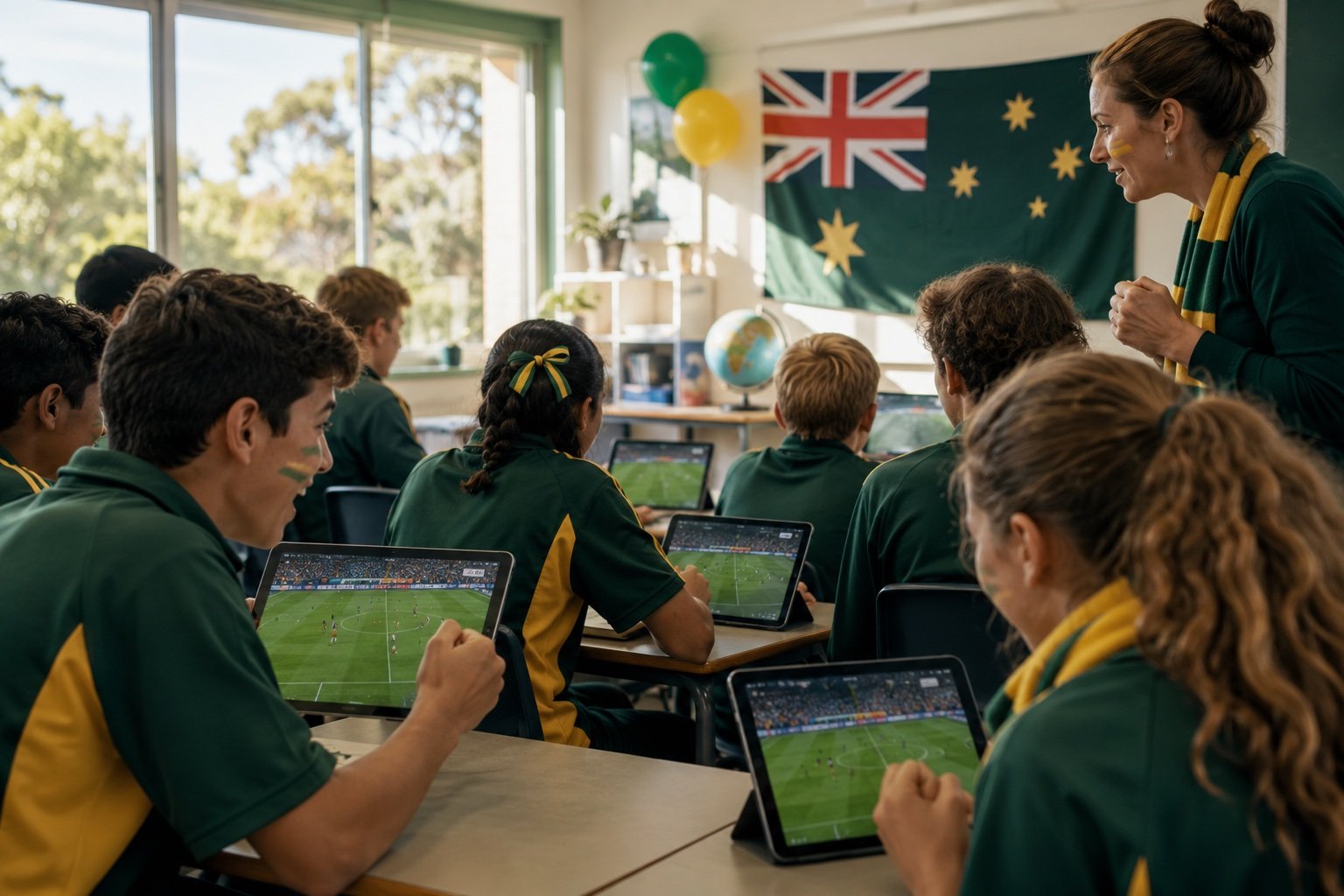
Australia's final World Cup group match against Paraguay has become more than a fixture after Socceroo Jason Geria urged schools and workplaces to let people watch. With a place in the last 32 on the line, the appeal reframes the game as a shared national occasion rather than merely a broadcast slot.
The match kicks off at midday on Friday, an awkward hour for a country at work and school, which is precisely the point of Geria's plea. He has argued that allowing pupils and employees to follow the game would turn a logistical inconvenience into a moment of collective celebration.
Sport as a civic moment
Geria's call taps into a long tradition of major sporting events spilling beyond stadiums into classrooms, offices and public squares. The argument is that the value of such occasions lies in their shared nature, in millions of people experiencing the same drama at the same time.
- Australia face Paraguay with a last-32 place at stake.
- The game kicks off at midday on Friday, during school and work hours.
- Jason Geria has urged schools and workplaces to enable viewing.
- The appeal frames the fixture as a collective national moment.
The midday dilemma
Daytime kick-offs are an inevitable feature of a tournament spread across time zones, and they routinely force a choice between productivity and participation. Geria's intervention pushes that choice into the open, inviting institutions to treat the match as something worth pausing for.
“Let the kids watch. Moments like this do not come around often, and they belong to everyone, not just those who can get to a screen.”
Background
Australia's football culture has grown steadily, with the national side's World Cup campaigns increasingly capable of capturing mainstream attention beyond the sport's core following. A decisive group-stage match offers exactly the kind of stakes that draw in casual viewers.
Calls for schools and workplaces to accommodate major fixtures are familiar in football nations whenever a national team reaches a crucial juncture, reflecting the way such games can briefly unite a country around a single result.
What happens next: the outcome against Paraguay will determine whether Australia progress, and the response to Geria's appeal will offer a small snapshot of how willing the country is to treat a midday match as a shared national event.
Sources: reporting by The Guardian.
The NE Times is an independent news and analysis publisher. Our articles combine factual reporting with clearly-written, impartial analysis. Content is for general information and does not constitute professional advice. Disclaimer.
You may also like to read
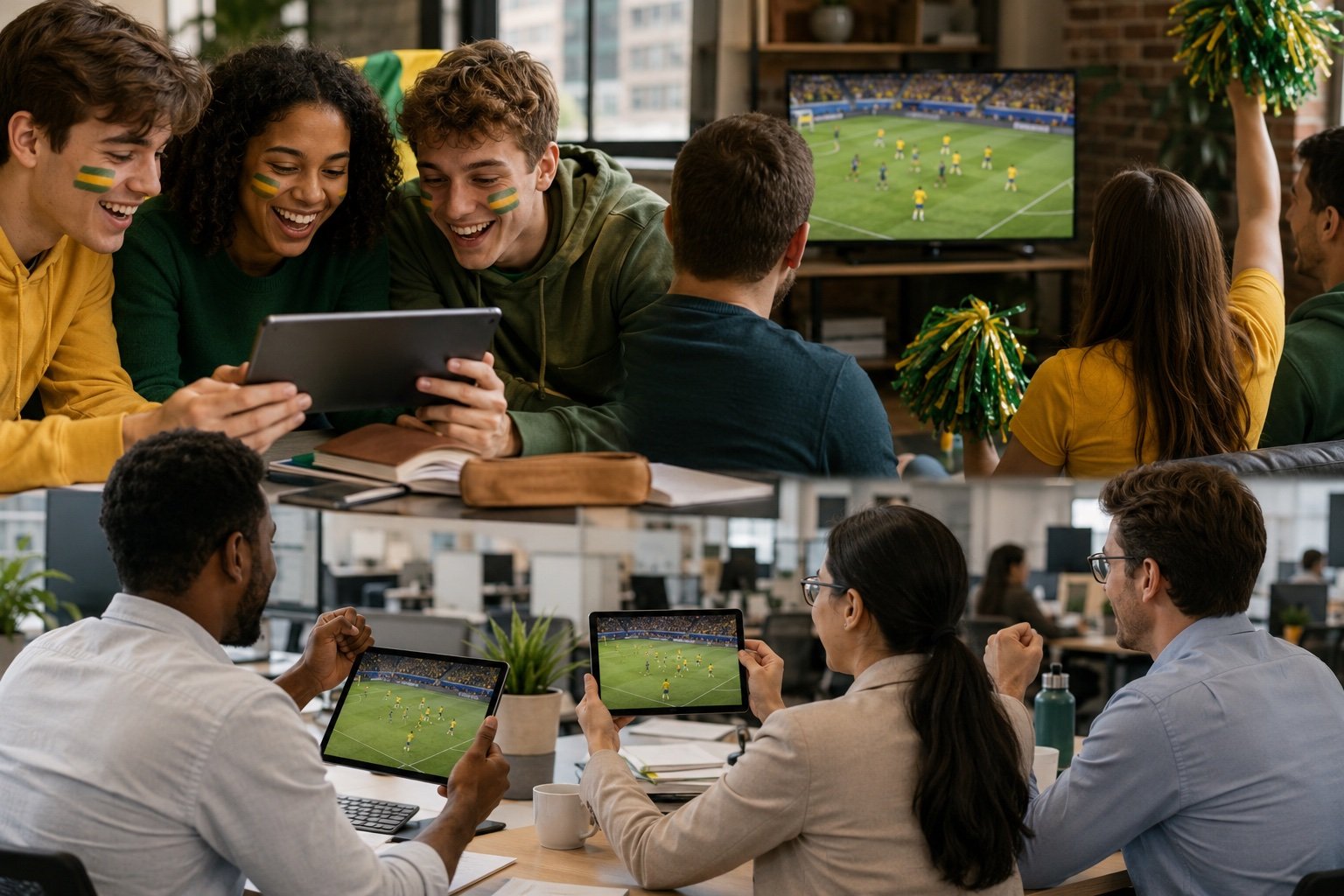
Socceroo urges schools and workplaces to screen Australia's World Cup decider
Defender Jason Geria has called for people to be allowed to watch the Socceroos' crucial group finale against Paraguay, with the midday kick-off and a place in the last 32 fuelling national interest.
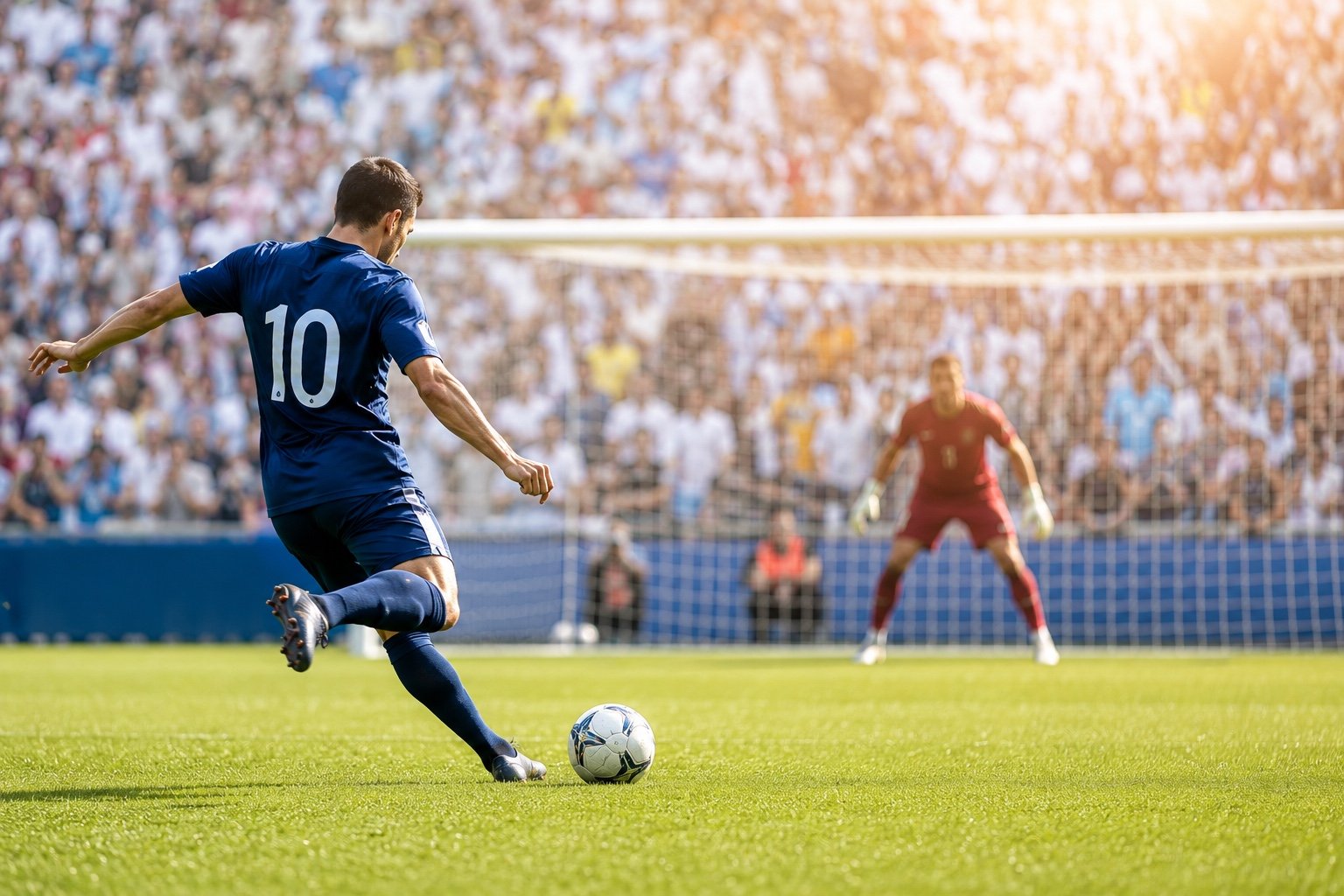
France's sweltering 1-0 win over Paraguay was a masterclass in tournament control
Kylian Mbappe's 70th-minute penalty in 38C Philadelphia heat sent France into a World Cup quarter-final against Morocco — and proved they can win ugly.
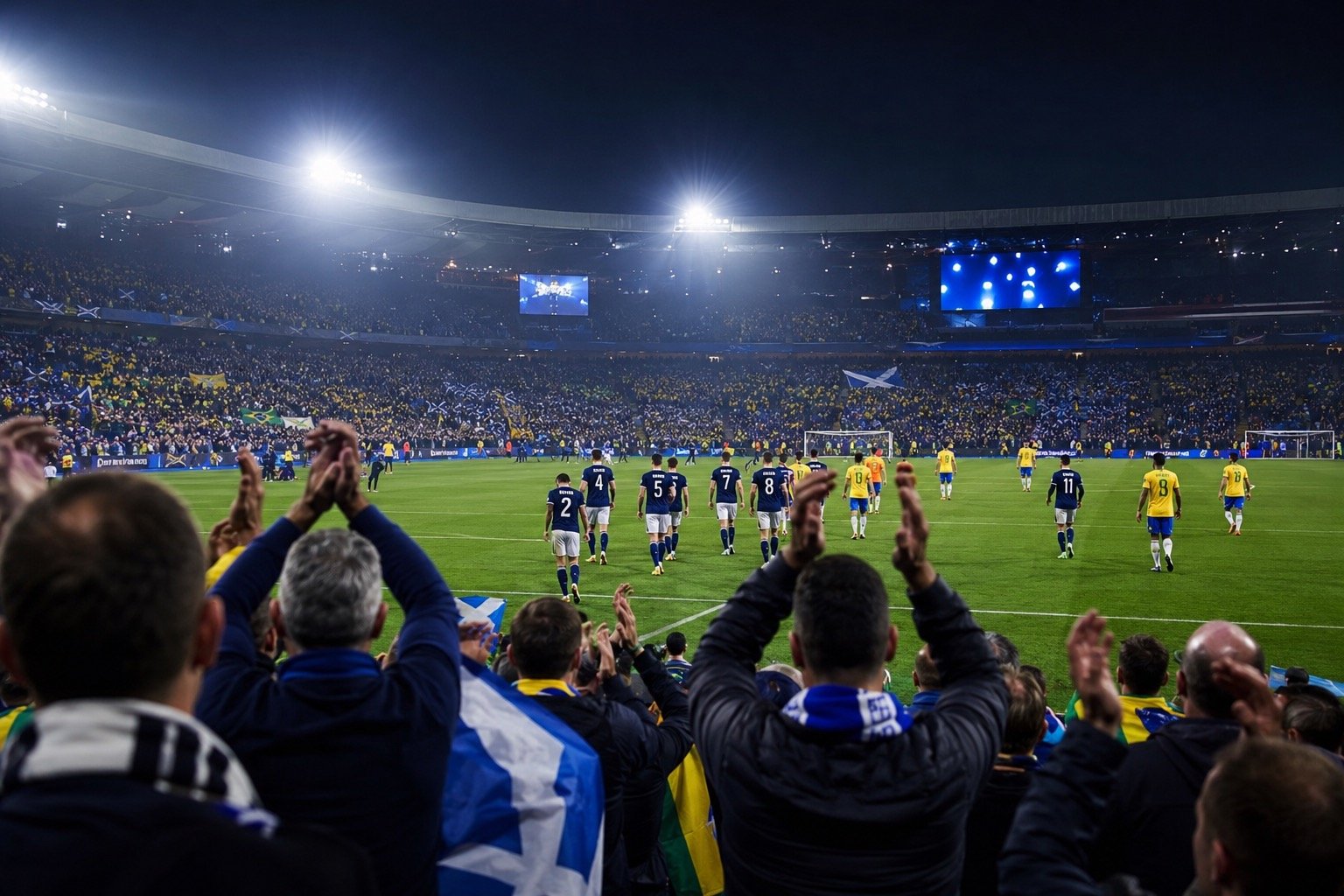
Scotland Face Anxious World Cup Wait After 3-0 Brazil Defeat in Miami
Steve Clarke's side are left relying on results elsewhere after a chastening loss to Carlo Ancelotti's Brazil exposed defensive frailties at the 2026 finals.
Trionda World Cup ball under scrutiny as goalkeepers caught out
Research into the Adidas Trionda's flight suggests the ball can enter a drag-crisis regime, leaving keepers struggling to read its pace at the 2026 World Cup.