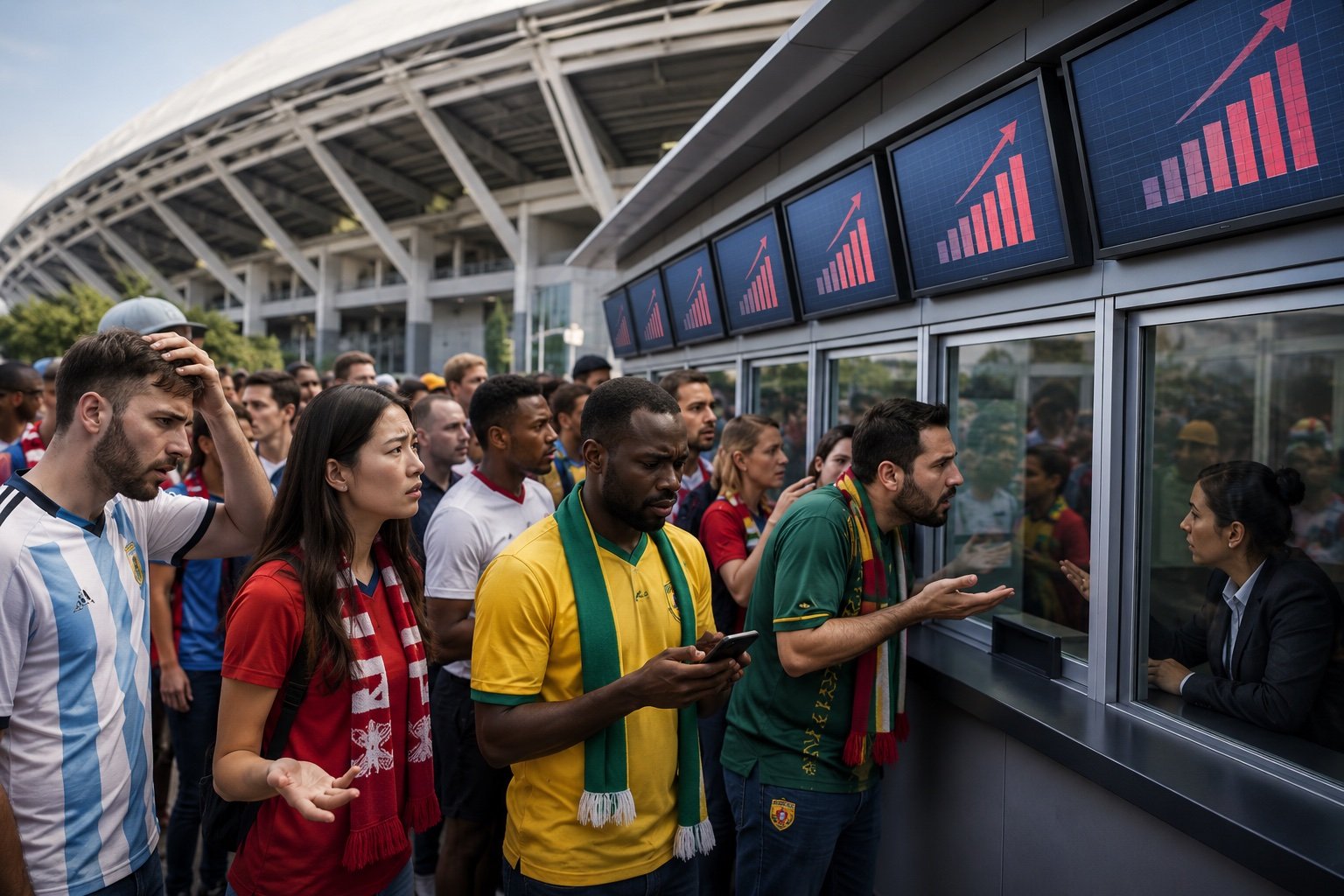
FIFA pressed ahead with World Cup dynamic pricing despite objections from its own US staff
Leadership reportedly overruled American-based employees who opposed surge-style ticket pricing, intensifying a debate over affordability, resale costs and how aggressively organisers should chase revenue.
Daniel Fletcher
Writer ·

FIFA's leadership reportedly overruled objections from US-based staff who opposed the use of dynamic pricing for World Cup tickets, according to accounts of the internal disagreement. The decision has sharpened a long-running debate over how far the sport's governing body should go in maximising revenue during one of the most in-demand events on the planet.
Dynamic pricing, which allows ticket costs to rise and fall with demand, has become commonplace in concerts and other live events, but its arrival at the World Cup has unsettled supporters and, evidently, some inside the organisation itself.
The internal split
Reports suggest that employees closest to the American market raised concerns about the optics and the impact on ordinary fans, only to be overridden by senior figures pursuing a more commercially aggressive strategy. The episode hints at a tension between revenue targets and the tournament's stated commitment to accessibility.
That a dispute reached this level underlines how sensitive pricing has become at an event that markets itself as the people's game.
Why fans are uneasy
Critics argue that letting prices float with demand risks pricing out the very supporters who give the tournament its atmosphere, while inflating the resale market and rewarding speculation.
- Affordability: surge pricing can push standard tickets beyond the reach of many fans.
- Resale pressure: volatile pricing can fuel an aggressive secondary market.
- Transparency: supporters may struggle to know what a fair price actually is.
- Trust: the policy sits awkwardly with FIFA's accessibility messaging.
“Charging whatever the market will bear may be good business, but it sits uneasily with a tournament that calls itself the world's game.”
Background
Ticketing has been a recurring flashpoint in the build-up to the 2026 finals, with the expanded format creating enormous demand across multiple host cities. FIFA has defended its commercial approach as necessary to fund the game globally, but each pricing controversy adds to the scrutiny over who the tournament is ultimately for.
What happens next
The disclosure is likely to fuel further pressure on FIFA to clarify its pricing model and demonstrate safeguards for ordinary supporters. How organisers respond to the criticism could shape both fan sentiment and the broader conversation about commercialisation in the sport.
Sources: reporting by The Guardian.
The NE Times is an independent news and analysis publisher. Our articles combine factual reporting with clearly-written, impartial analysis. Content is for general information and does not constitute professional advice. Disclaimer.
You may also like to read

Trump set to hand over the World Cup trophy at the 2026 final, says Infantino
FIFA's president has indicated the US leader will present the trophy to the winners on 19 July, adding a fresh political dimension to a final already framed by American venues and heavy security planning.
FIFA's dynamic pricing row exposes the tension at the heart of the expanded World Cup
Reports that senior leadership overruled staff who opposed dynamic ticket pricing have reignited a debate about whether the tournament can balance record revenue with the trust of ordinary fans.

Qatar's Assim Madibo handed five-match ban for World Cup tackle that broke Kone's leg
FIFA disciplinary action over the challenge that fractured Canada midfielder Ismael Kone's leg becomes one of the tournament's defining safety cases.

FIFA hydration breaks under scrutiny as World Cup crowds near record levels
Mandatory water breaks in North America's summer heat divide opinion, with FIFA defending player welfare as critics question the impact on rhythm and television.