Seoul keeps brakes on closer defence ties with Japan despite regional pressure
President Lee Jae-myung has ruled out a rapid expansion of military cooperation with Tokyo, insisting historical grievances be addressed first, even as North Korea, China and Russia draw closer together.
Marcus Reeve
Writer ·
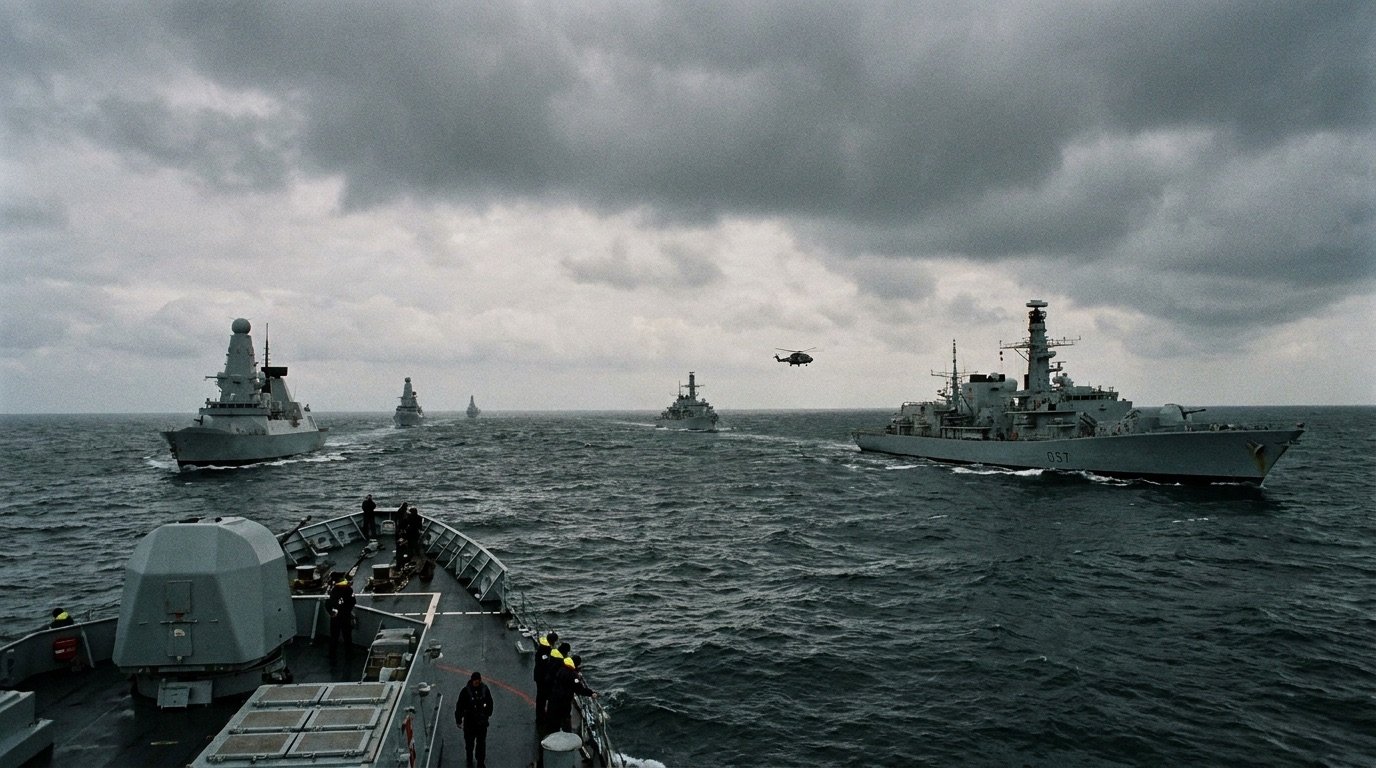
South Korea has signalled that it will not rush to deepen military cooperation with Japan, with President Lee Jae-myung insisting that historical grievances must be addressed before defence ties can expand significantly. The stance tempers expectations that a thaw earlier in the year would translate quickly into a broader strategic partnership between the two US allies.
The caution comes despite mounting external pressure. As North Korea, China and Russia draw closer together, analysts argue that Seoul and Tokyo have strong strategic reasons to align more tightly. Yet for Lee's government, the politics of cooperation with a former colonial power remain fraught, and the issue carries real domestic risk.
A thaw with limits
Relations had appeared to be warming. In January, the defence ministers of the two countries agreed to upgrade cooperation, including potential collaboration on artificial intelligence and unmanned systems, and to resume joint naval search-and-rescue drills after a gap of several years. The first such exercise since 2017 marked a tangible sign of improving ties.
But more recent signals from Seoul have emphasised the limits. Lee has ruled out expanding military ties any time soon, and South Korea has pressed Tokyo on the question of an apology for historical wrongs as a precondition for closer cooperation.
“Public sensitivities over the past run deep, and no government can ignore them when it comes to cooperation with Japan.”
— A Seoul-based foreign policy analyst
The weight of history
At the core of the hesitation is the legacy of Japan's colonial rule over the Korean Peninsula from 1910 to 1945, a period that continues to shape public attitudes in South Korea. Issues including wartime forced labour and the so-called comfort women remain deeply emotive, and any perception that a government is moving too quickly toward military cooperation can carry a steep political cost.
There are also specific anxieties, such as concern about the prospect of Japanese troops operating on or near the Korean Peninsula, that make certain forms of logistical cooperation particularly sensitive.
- President Lee Jae-myung has ruled out a near-term expansion of military ties with Japan
- Seoul has pressed Tokyo on a historical apology as a precondition
- January 2026 talks agreed to upgrade cooperation, including AI and unmanned systems
- Joint naval search-and-rescue drills resumed after a multi-year pause
- Public sensitivities over colonial rule remain a major constraint
Strategic pressures
The push for closer ties is driven by a shifting regional security picture. Deepening alignment among North Korea, China and Russia has unsettled policymakers in both Seoul and Tokyo, and the United States has long encouraged its two key Asian allies to coordinate more closely, including in trilateral formats.
A proposed acquisition and cross-servicing arrangement, which would allow the two militaries to share logistics such as fuel, food and ammunition, illustrates the kind of practical cooperation on the table, and the kind that remains politically delicate in Seoul.
Background
Japan and South Korea are both treaty allies of the United States and host significant American forces, but their bilateral relationship has long been complicated by history. Periods of rapprochement have repeatedly given way to renewed friction over historical and territorial disputes. The election of Lee Jae-myung brought a leader attentive to public sentiment on these questions, shaping the pace at which Seoul is willing to move.
Washington has consistently viewed closer Japan-South Korea coordination as central to its strategy in the Indo-Pacific, making the bilateral dynamic a matter of wider consequence.
Tokyo, for its part, has been broadening its own defence horizons, holding discussions with the United States on missile cooperation and pursuing a separate next-generation fighter effort with international partners. That activity sharpens the contrast with the more cautious mood in Seoul and illustrates how the two neighbours, though facing similar threats, are moving at markedly different speeds.
What it means
The episode highlights the persistent tension between strategic logic and historical memory in north-east Asia. While the security environment may argue for closer Japan-South Korea ties, domestic politics in Seoul sets a ceiling on how fast that can happen. Expect incremental, carefully calibrated steps, joint drills, technical talks and confidence-building measures, rather than a dramatic leap, as both governments weigh the gap between what strategy demands and what publics will accept.
Sources: reporting by South China Morning Post.
The NE Times is an independent news and analysis publisher. Our articles combine factual reporting with clearly-written, impartial analysis. Content is for general information and does not constitute professional advice. Disclaimer.
You may also like to read
South Korea's former president Yoon handed 30-year term over secret drone flights into North Korea
A Seoul court has sentenced ousted leader Yoon Suk Yeol to 30 years in prison after finding he conspired to fly military drones over Pyongyang, a verdict prosecutors say was tied to his failed bid to impose martial law.
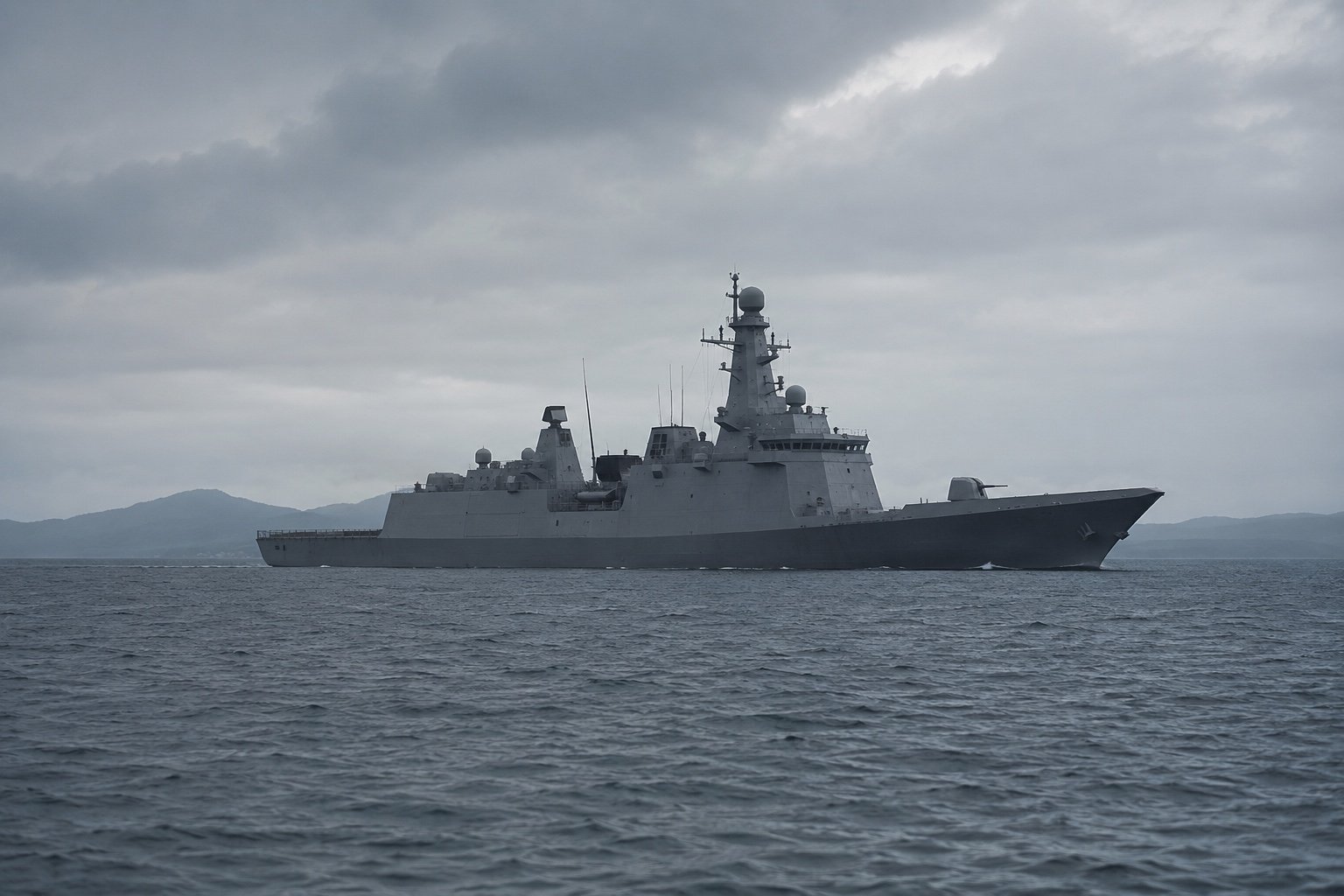
North Korea's Kang Kon Destroyer Tests Signal a Navy Built for Attention
Kim Jong Un oversaw weapons tests aboard the repaired destroyer Kang Kon, pushing Pyongyang's naval ambitions to the centre of regional security debate.
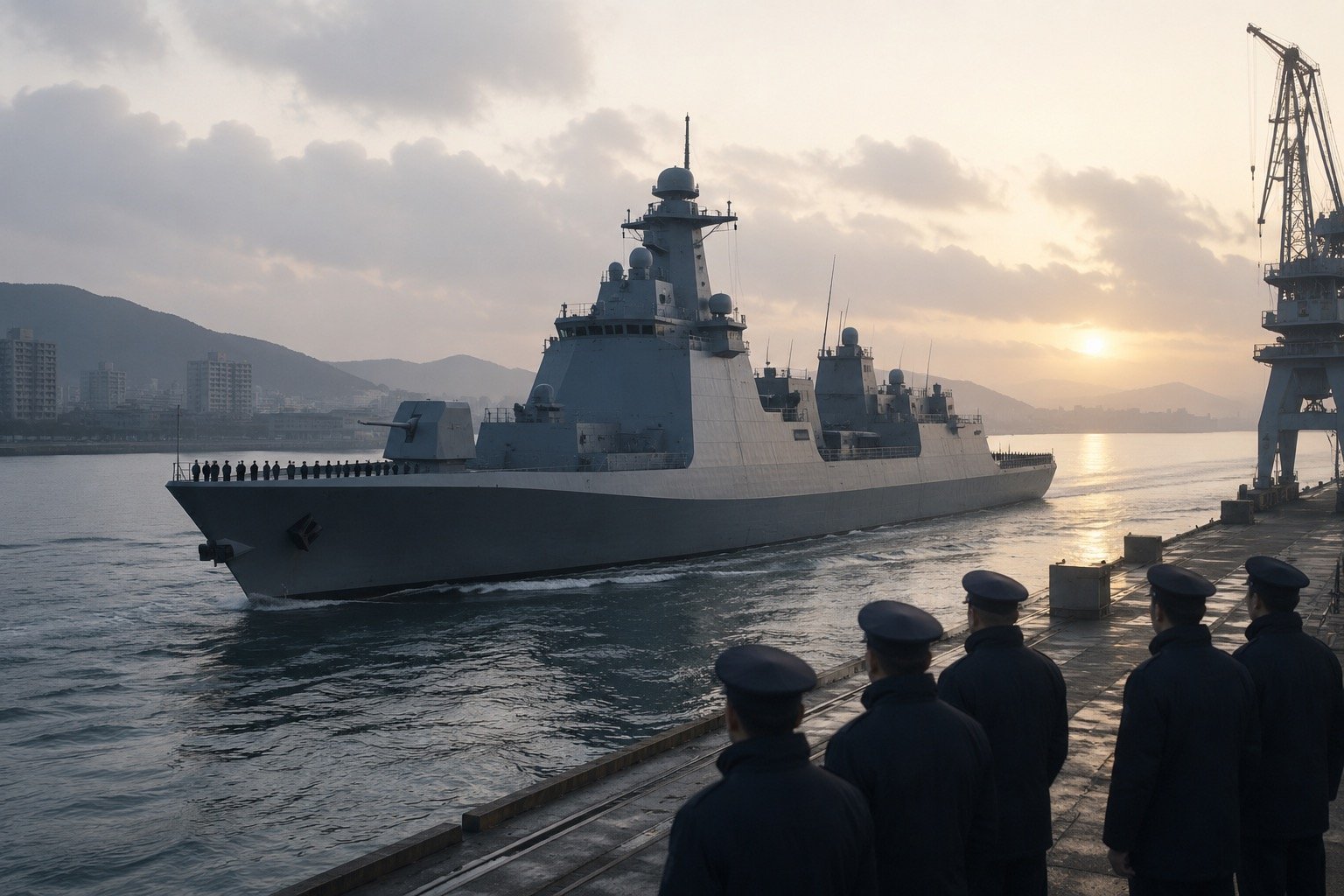
Kim Jong Un Claims Progress Towards Nuclear-Armed Navy
North Korea has commissioned the destroyer Choe Hyon at Nampo as Kim Jong Un touts advances towards a nuclear-capable fleet.
NATO diplomacy tested by Iran war fallout
Summit preparations and senior officials' remarks place defence spending, Middle East instability and transatlantic cohesion under the same spotlight.