Sudan's hidden catastrophe deepens as famine and atrocities engulf Darfur
More than a year after famine was first confirmed, aid agencies warn that hundreds of thousands trapped in and around El Fasher face starvation as the RSF tightens its grip and supplies run dry.
Marcus Reeve
Writer ·
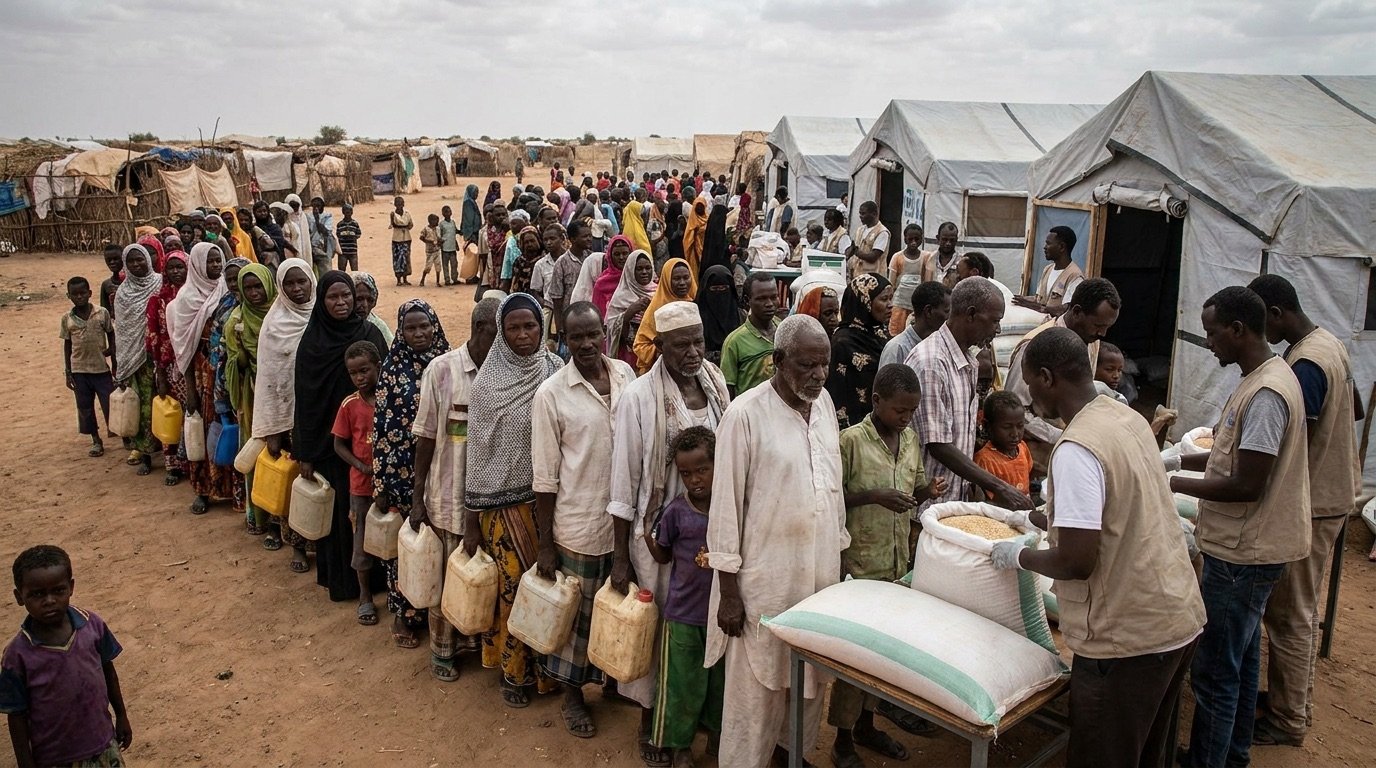
As Sudan's civil war grinds into its fourth year, aid agencies are warning that one of the world's gravest humanitarian emergencies is unfolding largely out of global view. In the western Darfur region, famine and violence have combined into a catastrophe that the United Nations and relief groups say is killing civilians on a vast scale while access for humanitarian workers remains severely restricted.
The epicentre is El Fasher, the North Darfur city that the paramilitary Rapid Support Forces (RSF) seized after a punishing 18-month siege. The town was formally classified as being in famine — the highest level on the international hunger scale — in September 2025, and the World Food Programme warns that hundreds of thousands of people still trapped there face starvation as supply routes stay blocked and resources dwindle.
Across the country, the scale of need is staggering. Aid agencies project nearly 4.2 million cases of acute malnutrition in 2026, including more than 800,000 cases of severe acute malnutrition, much of it among children. Without fresh funding, relief organisations say, pipeline breaks for food and nutrition supplies threaten to push the disaster further still.
A city sealed off
The fall of El Fasher has had devastating consequences for civilians. The WFP says it has been unable to deliver food assistance to the city by road for more than a year, with all access routes blocked by fighting. The result has been a slow-motion starvation in a place that armed actors have made nearly impossible for outsiders to reach.
United Nations investigators have confirmed at least 6,000 killings by the RSF in El Fasher, and rights groups have documented patterns of atrocities that have drawn comparisons to earlier episodes of mass violence in Darfur. The combination of siege, hunger and reported abuses has created what relief workers describe as an almost uniquely lethal environment for the people left behind.
“People trapped in El Fasher are facing starvation, and we simply cannot reach them. Every road is blocked and the window to save lives is closing.”
— World Food Programme statement
Mass displacement and a widening front
Large numbers of civilians have fled the fighting in and around El Fasher, with some 400,000 people recently displaced to the nearby town of Tawila, where the WFP and other agencies are struggling to provide support. The exodus has shattered local markets, severed livelihoods and stretched already overwhelmed aid operations.
The conflict has also spread well beyond Darfur. The Kordofan region has become a principal theatre of military operations, with escalations reported around El Obeid, Dilling, Kadugli and Babanusa as the Sudanese Armed Forces (SAF) and the RSF contest strategic positions and supply routes. Blue Nile State has also seen renewed clashes, drawing in additional armed factions.
- El Fasher classified in famine (IPC Phase 5) since September 2025
- At least 6,000 killings by the RSF in El Fasher confirmed by the UN
- Around 400,000 people recently displaced to Tawila
- Nearly 4.2 million acute malnutrition cases projected for 2026
- WFP unable to deliver food by road to El Fasher for over a year
A war of attrition fuelled from outside
Now in its fourth year, the war increasingly resembles a grinding contest of attrition sustained by external support to both sides and a steady flow of arms from multiple sources. Analysts note recent defections of senior commanders from the RSF to the SAF, which they read as a sign of internal strain within the paramilitary group, though there is little indication the fighting is nearing an end.
Investigations have also drawn attention to the international dimensions of the conflict, including reports that foreign fighters linked to atrocities in Darfur received training abroad before deploying with the RSF. Such findings have intensified calls for accountability and for pressure on the outside backers enabling the violence.
Background
Sudan's war erupted in April 2023 out of a power struggle between the army, led by General Abdel Fattah al-Burhan, and the RSF, commanded by General Mohamed Hamdan Dagalo, known as Hemedti. The two forces had jointly seized power in a 2021 coup before turning on each other. The fighting has displaced millions, collapsed the economy and triggered what aid agencies describe as the world's largest hunger crisis.
Darfur, scarred by mass atrocities in the 2000s, has once again become the focal point of the worst abuses, with the RSF's roots in the Janjaweed militias of that era lending grim resonance to the latest violence.
What it means
Relief agencies warn that without a surge in funding and guaranteed humanitarian access, deaths from hunger and disease will climb sharply through 2026, particularly among children. Diplomatic efforts to broker even localised ceasefires have so far yielded little, and the conflict's expansion into Kordofan and Blue Nile risks drawing more of the country into famine. For now, the people of El Fasher and the camps around it remain at the sharp edge of a crisis that the wider world has been slow to confront.
Sources: reporting by Al Jazeera.
The NE Times is an independent news and analysis publisher. Our articles combine factual reporting with clearly-written, impartial analysis. Content is for general information and does not constitute professional advice. Disclaimer.
You may also like to read
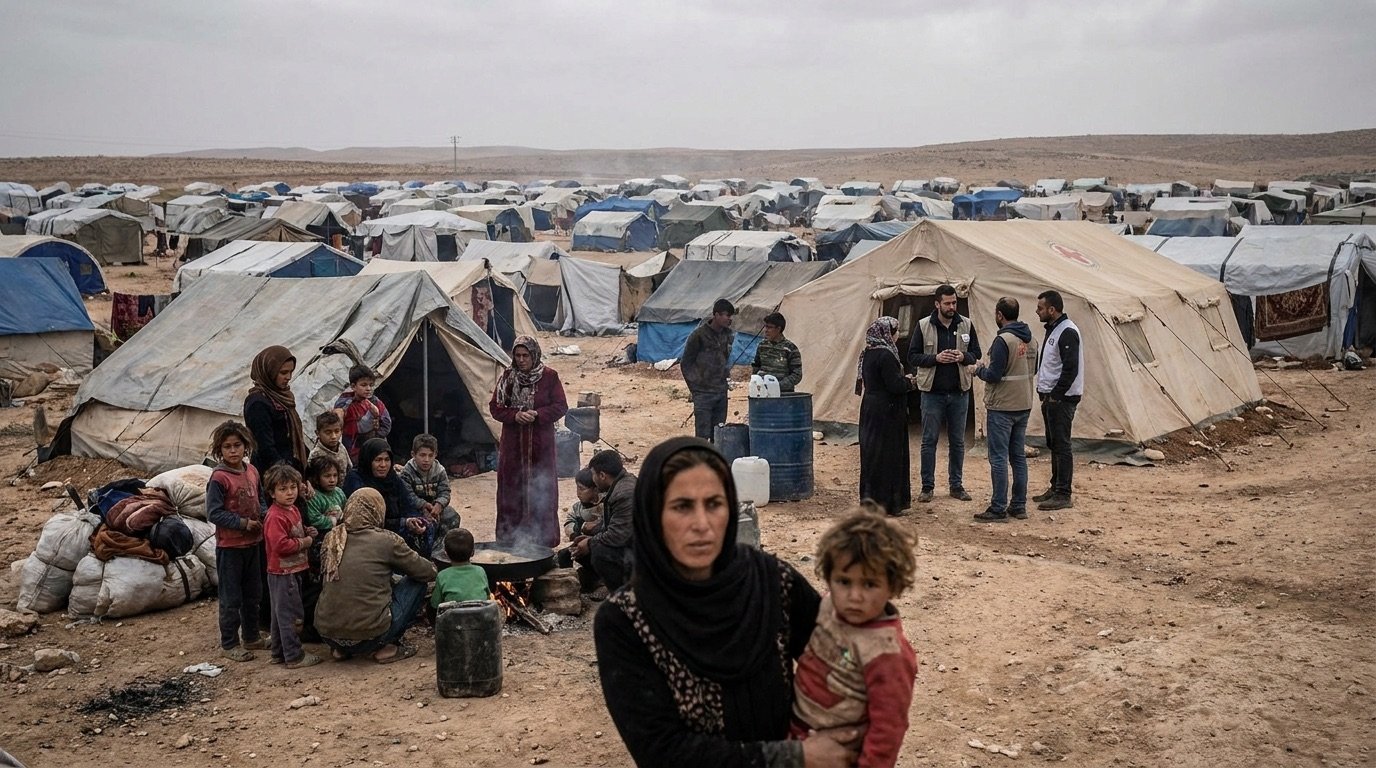
Doctors' group says thousands held by RSF in Sudan's el-Fasher amid 'dire' abuses
A local medical network reported that paramilitary Rapid Support Forces are detaining more than a thousand civilians and hundreds of military personnel in the captured Darfur city.

UK-UAE Sudan Testimony Raises Questions For Ministers
A parliamentary committee is to hear claims that ministers prioritised ties with the UAE over stronger action on mass atrocities in Sudan.
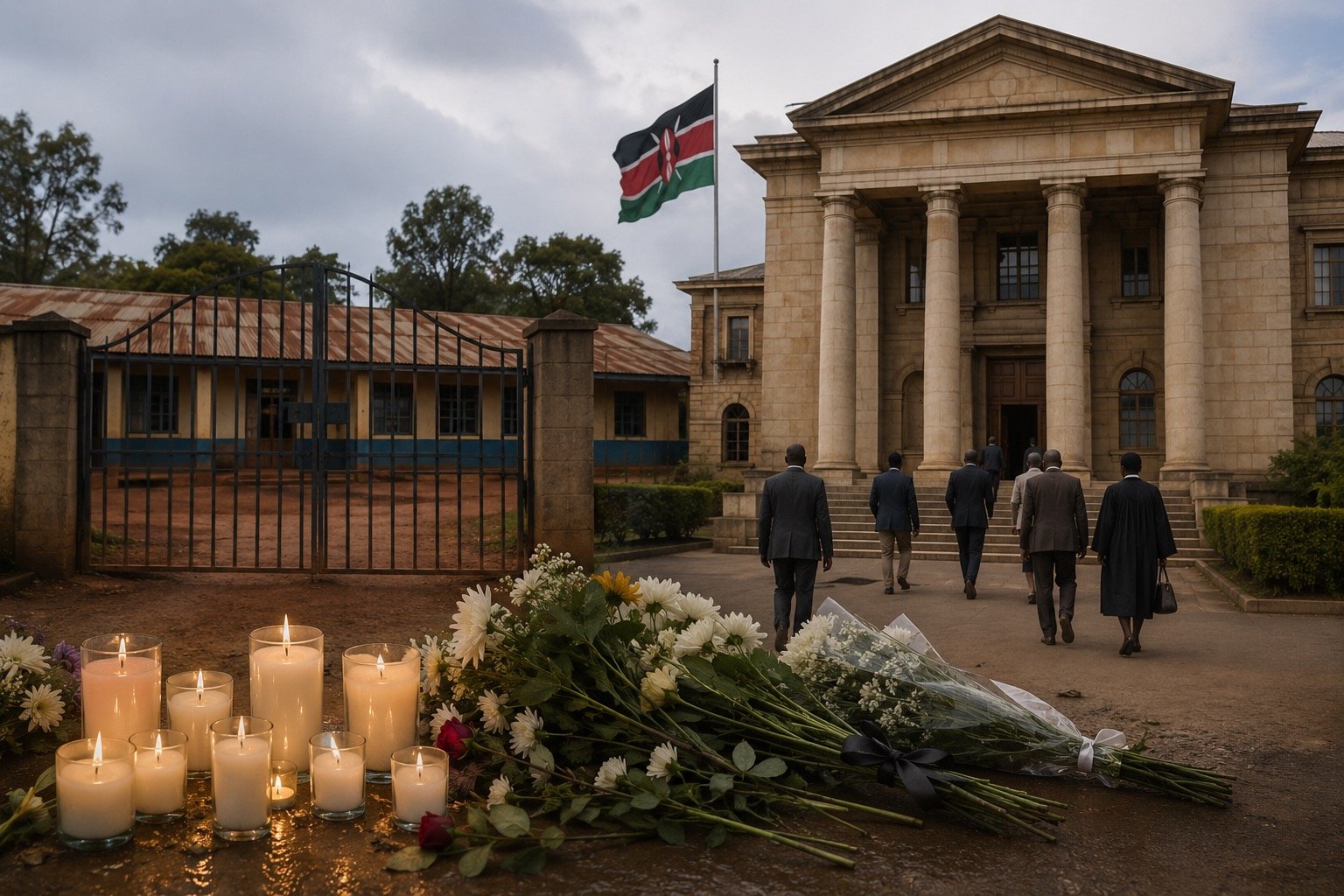
Kenyan students to face murder charges after dorm fire killed 16 girls
Authorities plan murder charges over a dormitory blaze at a girls' academy that killed 16, in a case gripping the nation.
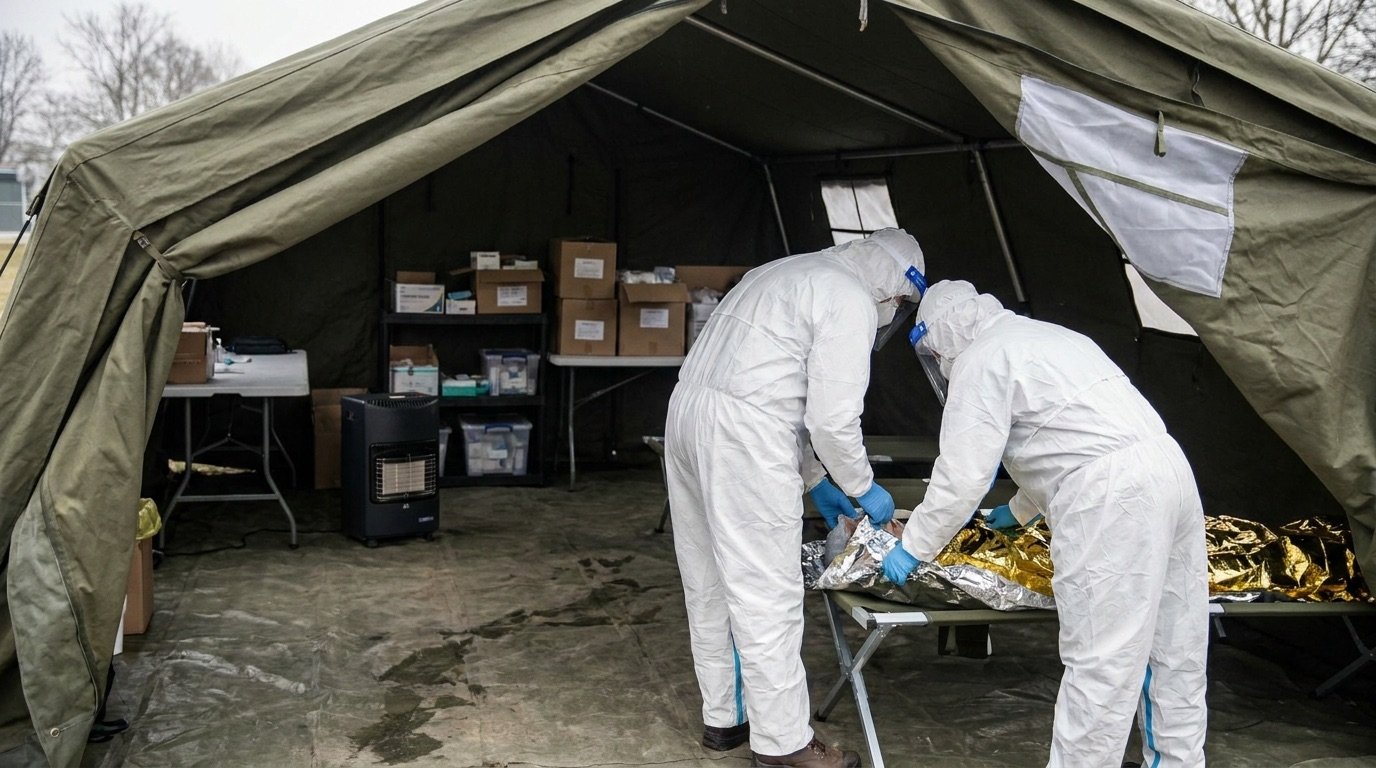
Congo Ebola outbreak passes 1,000 confirmed cases
Health officials in the Democratic Republic of the Congo say the eastern outbreak has reached 1,003 confirmed cases and 254 deaths, with insecurity and crowded camps complicating the response.