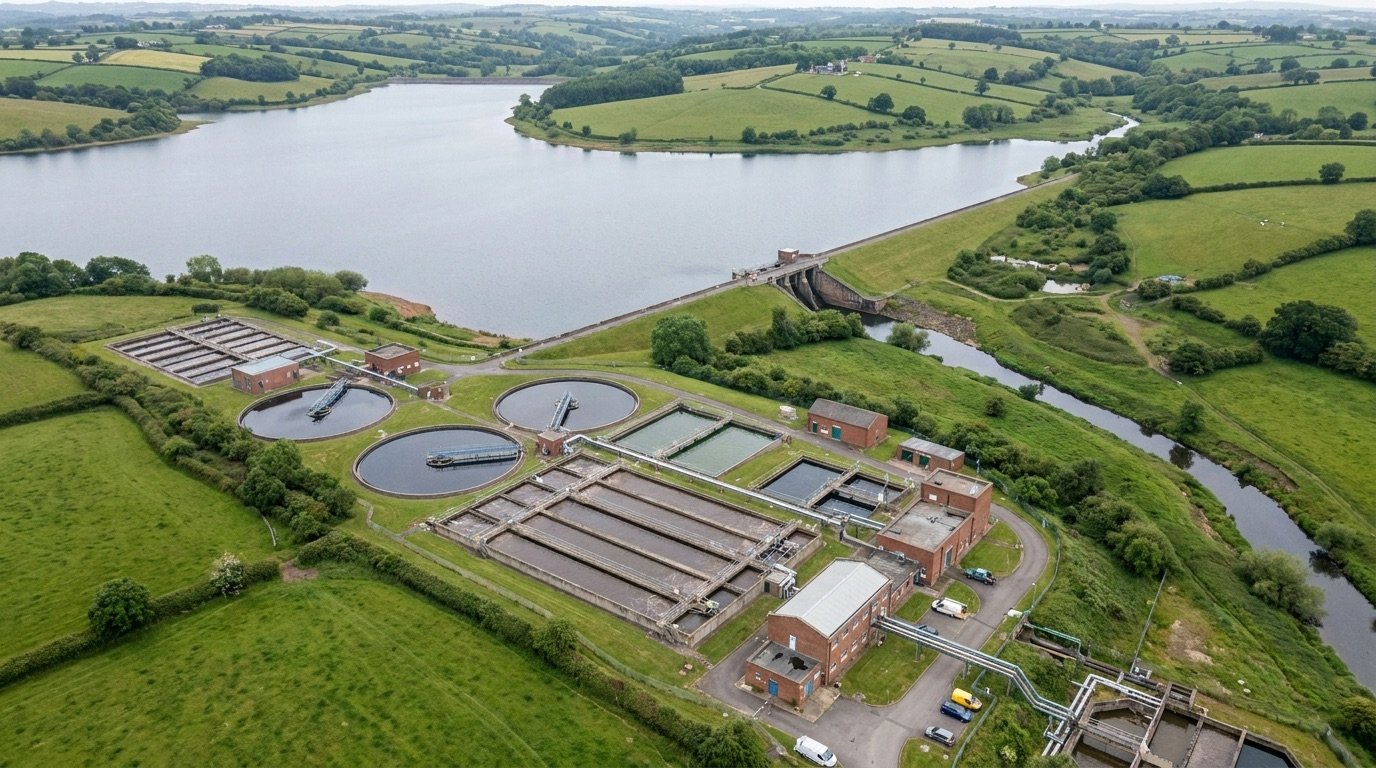
Thames Water on the Brink: What Its Crisis Means for Bills and the Water Sector
The future of Thames Water and the wider water industry is under scrutiny in Parliament. Here is how the sector reached this point and what special administration would mean for customers.
UK News & Politics Editor ·
Why it's trending
Thames Water serves millions of customers, and its financial troubles have become a symbol of wider failures in the privatised water sector. Questions of debt, investment, sewage and bills make its future a major political issue.
A crisis years in the making
The troubles at Thames Water, the UK's largest water company, have become emblematic of deeper problems in the privatised water sector. Years of high debt, criticism over sewage discharges and questions about underinvestment have combined to create a crisis that Parliament is now examining closely.
The company serves millions of households, so its stability is not merely a commercial matter but a question of essential public service. That is why its difficulties have moved from the business pages to the centre of political debate.
How the sector reached this point
Water in England was privatised decades ago on the promise of investment and efficiency. Critics argue that instead, some companies loaded themselves with debt while paying dividends, underinvested in infrastructure, and allowed sewage to be discharged into rivers and seas. Defenders point to investment delivered and the challenges of ageing networks.
Whatever the balance of causes, public anger over sewage and bills has transformed the politics of water. What was once a technical, regulated backwater is now a lightning rod for wider frustration about privatised utilities.
What special administration would mean
If a water company cannot continue as a going concern, a special administration regime exists to ensure services continue while the company is restructured or its ownership changed. For customers, the crucial point is that water and sewage services would keep running; taps would not run dry because of a company's financial failure.
Special administration is a mechanism of last resort, designed to protect the public rather than shareholders or creditors. Its use would be a dramatic step, signalling that normal market solutions had been exhausted, but its purpose is continuity of an essential service.
The question of bills
At the heart of the debate is who pays. Fixing decades of underinvestment and cleaning up rivers requires enormous sums, and that money must come from somewhere: customer bills, investors, or the taxpayer. Each option is politically fraught, and the distribution of the burden is fiercely contested.
Regulators face the difficult task of allowing enough revenue for investment while protecting customers from unaffordable increases. Getting this balance wrong in either direction, too little investment or unaffordable bills, carries serious consequences.
Regulation under fire
The water regulator has faced sustained criticism over whether it was tough enough on companies during the years that led to the current crisis. The episode has prompted wider questions about how privatised utilities providing essential services should be regulated and held to account.
Reform of regulation is now firmly on the agenda. The challenge is to design oversight that ensures investment and environmental performance without deterring the capital the sector needs, a balance that has proved elusive.
Who owns the water companies
Part of the controversy surrounding the sector concerns ownership. England's water companies are largely owned by a mix of investment funds, pension funds and overseas investors, and critics argue that this ownership structure has prioritised financial returns over investment in infrastructure. Understanding who owns these essential services is key to understanding how they reached their current state.
The debate over ownership extends to whether the privatised model itself is the right one. Some argue for a return to public ownership; others contend that with better regulation the existing model can be made to work. The handling of Thames Water will influence this broader argument about how essential utilities providing water, a natural monopoly, should be owned and controlled.
The environmental dimension
The water crisis is inseparable from the environmental one. Public anger has been driven substantially by sewage discharges into rivers and seas, which have become a potent symbol of the sector's failures. Restoring the health of waterways requires enormous investment in infrastructure that has been neglected for years, adding to the financial pressures on companies.
This environmental imperative raises the stakes of getting reform right. A settlement that stabilises company finances but fails to fund the clean-up of rivers would address the symptom rather than the cause of public anger. Any resolution of Thames Water's troubles will be judged partly on whether it delivers the environmental improvements that customers increasingly demand.
For customers, the reassurance worth repeating is that water and sewage services continue regardless of a company's financial fate; the mechanisms exist precisely to guarantee that. The harder, longer question is who ultimately pays to fix decades of underinvestment, and how a sector delivering an essential natural monopoly should be owned and regulated so that such a crisis is not simply repeated a decade from now.
What to watch next
Watch the financial position of the company, any regulatory or government intervention, and the wider review of the water sector. Decisions taken here could set precedents for how other struggling utilities are handled.
Thames Water's fate is about more than one company. It is a test of whether the model for delivering water in England can be stabilised and reformed, and of who ultimately bears the cost of putting it right.
Sources & verification
- UK Government - water sector policy statements
- Ofwat - regulation and special administration guidance
- House of Commons Library - water industry briefings
Filed under UK News · Written by Eleanor Whitfield
You may also like to read