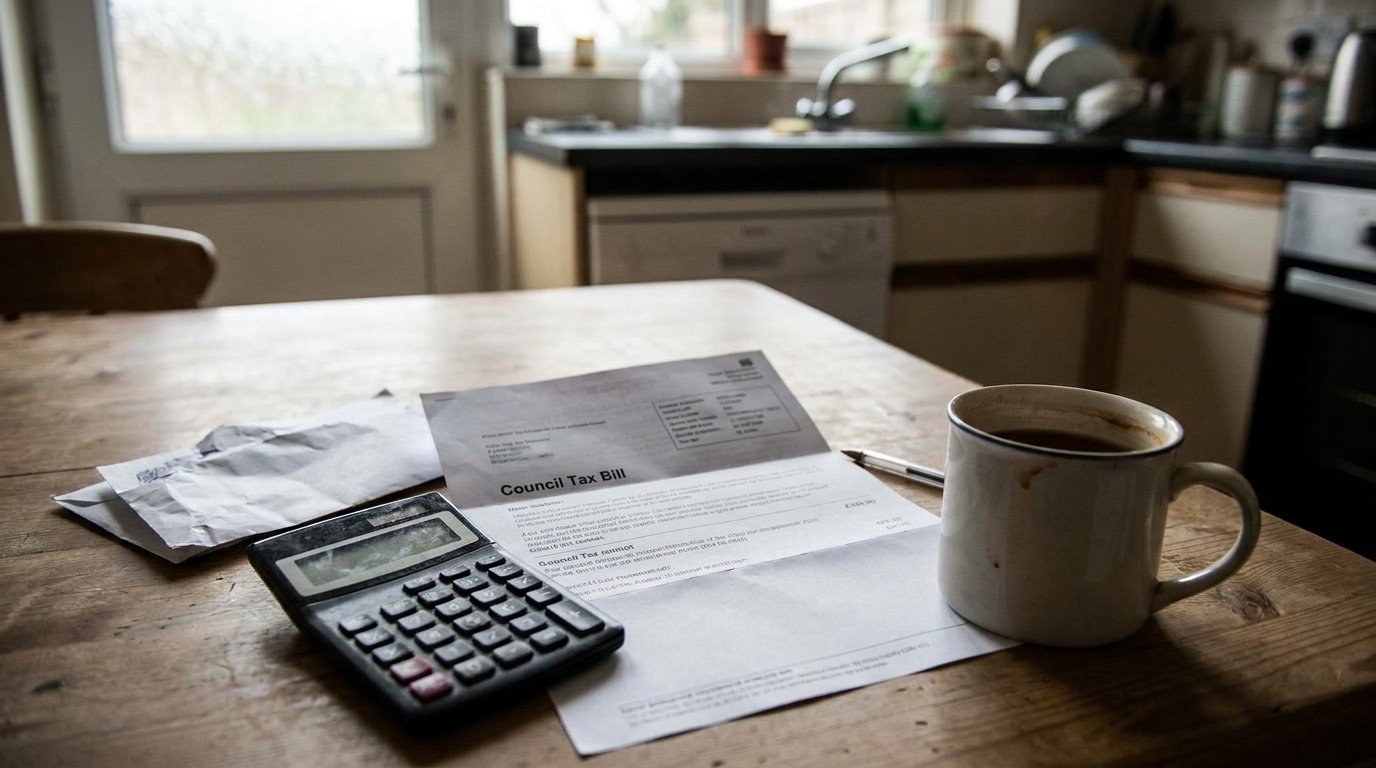
UK Asking Rents Hit New Records as Supply Falls Back Below Last Year's Level
Average advertised rents have hit new records outside London while available supply falls back below last year's level. Here is what the latest figures mean for renters and landlords.
Business & Technology Editor ·
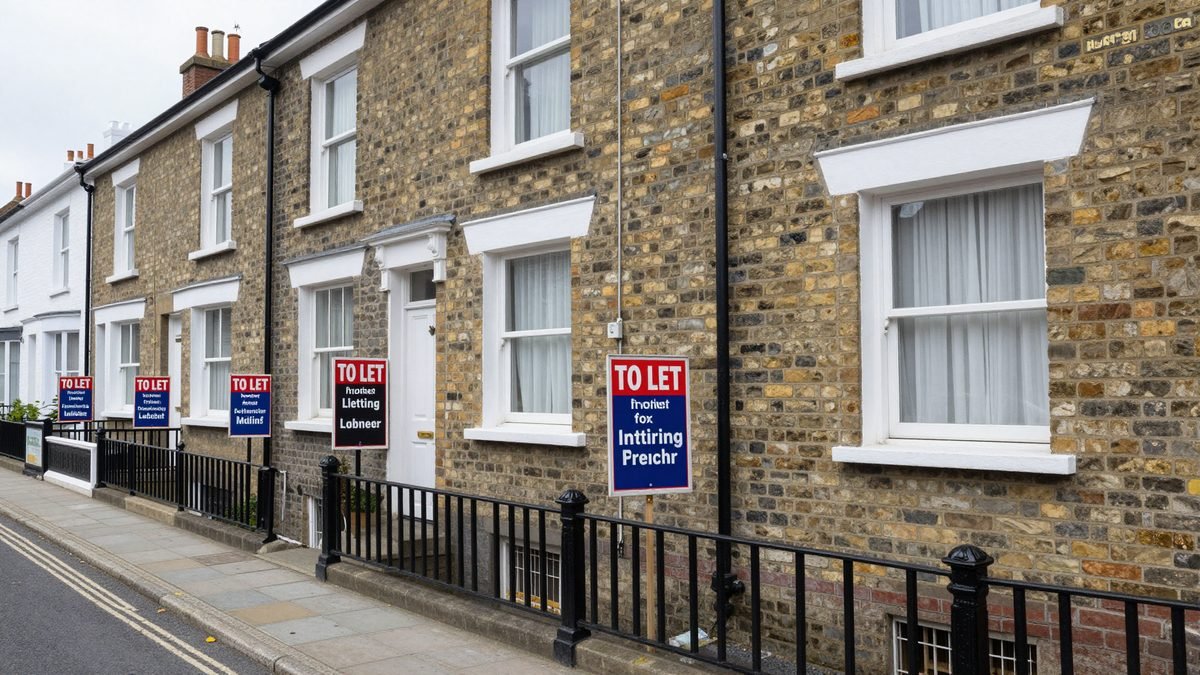
Why it's trending
Housing costs are a constant high-search concern, and new record figures give renters an immediate benchmark for affordability and moving decisions.
The new record figures
The average advertised rent for a home coming to market outside London rose to £1,397 per month in the second quarter of 2026, according to Rightmove's latest Rental Trends Tracker. That was 1.9% higher than the previous quarter and 2.3% above a year earlier. London also reached a record, with an average advertised rent of £2,791 per month, up 2% during the quarter. These figures measure asking rents on newly listed properties, not the amount paid by every existing tenant. Even so, they provide a timely picture of the price faced by people who need to move now.
Why asking rents and paid rents differ
A tenant with a long-standing agreement may pay much less than the latest advertised average, while a highly desirable property can let above the asking price. Official rental inflation measures cover a broader stock of homes and move more slowly because most tenancies do not reset every month. Portal data reacts quickly to changes in new listings and demand. For renters comparing areas, the national average is also limited: property size, condition, transport links and local wages vary enormously. The record should therefore be treated as a market indicator rather than a quote for any particular street.
Supply has started falling again
Rightmove says the number of available rental homes was 1% lower than a year earlier, the first annual decline since 2022. That is a small percentage but an important directional change. Rent growth had begun to cool as supply improved and competition eased from extraordinary post-pandemic levels. A renewed fall in listings gives landlords more pricing power, particularly in markets where demand remains high. The report suggests the decline is being driven more by fewer new properties entering the market than by homes letting dramatically faster. That points to decisions by landlords about whether to invest, sell or keep properties available.
Competition is lower but still intense
The average rental home now receives about ten enquiries, compared with eleven a year ago and twenty-two at the 2022 peak. Before the pandemic, the average was around five. This means the market is not as frantic as it was, but tenants still face roughly double the earlier level of competition. Ten enquiries do not translate into ten formal applications, and the distribution is uneven. Family homes, affordable properties and well-connected urban flats can attract far more interest. Renters may feel little relief if the only available improvement is from an impossible queue to a merely difficult one.
The mortgage and tax pressures on landlords
Landlords finance properties in different ways, but higher borrowing costs have reshaped the sector. Rightmove's tracker placed the average buy-to-let mortgage rate around 5.55%, lower than the previous month but above a year earlier. Maintenance, insurance, licensing and tax changes also affect returns. Some landlords pass costs into rent where the market allows; others sell, reducing supply. Tenant advocates argue that housing should not depend on preserving every investor's margin. Landlord groups respond that regulation without sufficient new construction drives providers out and worsens scarcity. Both sides agree that a shortage of homes is central to the problem.
Affordability is the real crisis
A modest percentage rise can be severe when the base rent is already high. An increase from £1,300 to £1,397 is more than £1,100 a year before council tax, energy and moving costs. Tenants often need a deposit, advance rent and proof of income, making relocation difficult even when their current home is unsuitable. High rents reduce the ability to save for a mortgage and can force families farther from work or schools. The consequences reach employers, public services and local economies because essential workers may be unable to live near the communities they serve.
What tenants can do in a competitive market
Preparation helps but does not solve a structural shortage. Renters should set a realistic total budget, gather references and income documents, verify that deposits are protected and read the tenancy agreement before paying. They should be cautious of pressure to transfer money before viewing or verifying the agent. Offering months of rent in advance can disadvantage people without savings and should not become an informal requirement. Tenants can ask whether a landlord is open to a longer fixed term or a predictable review clause. Advice organisations can help when fees, discrimination or eviction threats appear unlawful.
What policy could change the direction
The durable solution is more homes in places where people need them, including social and affordable housing as well as private rental supply. Planning reform can increase construction but takes time. Local authorities need resources to enforce standards and prevent unsafe properties from undercutting responsible landlords. Tax and regulatory policy should be stable enough for investment decisions, while protecting tenants from sudden loss of their home. Rent controls are politically attractive to some but controversial because strict caps can discourage supply or create allocation problems. The debate should focus on the design and evidence rather than treating one measure as a complete answer.
What to watch in the next quarter
The key indicators are new listings, enquiry levels, mortgage rates and regional differences. If supply continues to fall during peak moving season, advertised rents may remain under upward pressure even if the economy slows. If lower interest rates encourage landlords to enter or retain the market, competition could ease. Government announcements on renters' rights and housebuilding will also affect expectations. For individual tenants, the record figures confirm a difficult reality; for policymakers, they are a warning that improving demand conditions without increasing supply will not restore affordability. A functional rental market must offer security and standards while producing enough homes that ordinary wages can realistically cover.
Sources & verification
- Rightmove - Q2 2026 Rental Trends Tracker (www.rightmove.co.uk)
- Sky News - record asking rents (news.sky.com)
- Independent - rental market report (www.independent.co.uk)
Filed under Business · Written by Rajan Mehta
You may also like to read