Council tax bills hit average £2,392 as nearly all of England raises rates to the limit
Government figures confirm the typical Band D bill in England has climbed 4.9% to £2,392 for 2026-27, with 274 authorities increasing rates by the maximum permitted and a handful granted special permission to go further.
UK News & Politics Editor ·
Why it's trending
The typical Band D bill has climbed 4.9% to £2,392, with 274 of England's 384 authorities raising rates to the maximum allowed.
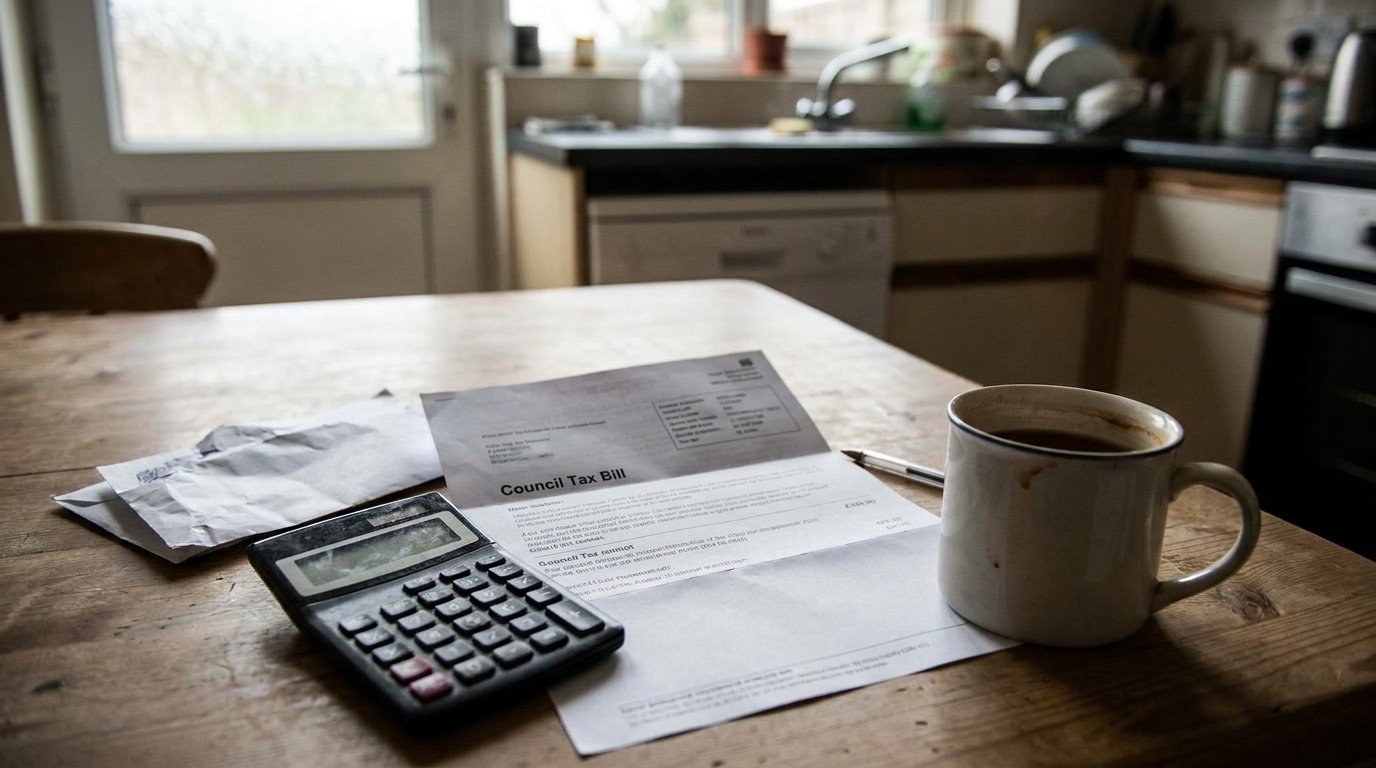
Council tax in England has reached another record. Official figures from the Ministry of Housing, Communities and Local Government confirm the average Band D bill for 2026-27 is £2,392 — up £111, or 4.9%, on last year. Almost every authority pushed rates as far as the rules allow: 274 of 384 raised bills by the maximum permitted without a referendum.
The total council tax requirement across England now stands at £46.8 billion, up 6.1% year on year. Seven authorities were granted special permission to exceed the normal cap — a dispensation reserved for councils in the deepest financial difficulty.
At a glance
- Average Band D bill: £2,392, up £111 (4.9%)
- 274 of 384 authorities raised rates by the maximum permitted
- Adult social care precept added an average £35 to bills, raising £688 million
- Total council tax requirement: £46.8 billion, up 6.1%
- Seven authorities granted permission to exceed the normal cap
Anatomy of a £2,392 bill
Band D is the conventional benchmark — the middle of the eight valuation bands — though most homes in England actually sit in bands A to C and pay less. The headline figure bundles together charges from county or unitary councils, districts, police and fire authorities, and in some areas town or parish precepts.
Within the increase sits the adult social care precept, which added an average £35 to bills and raised £688 million nationally. That levy, introduced as a stopgap for care funding a decade ago, has quietly become a permanent fixture of the annual rise.
Why nearly everyone hit the cap
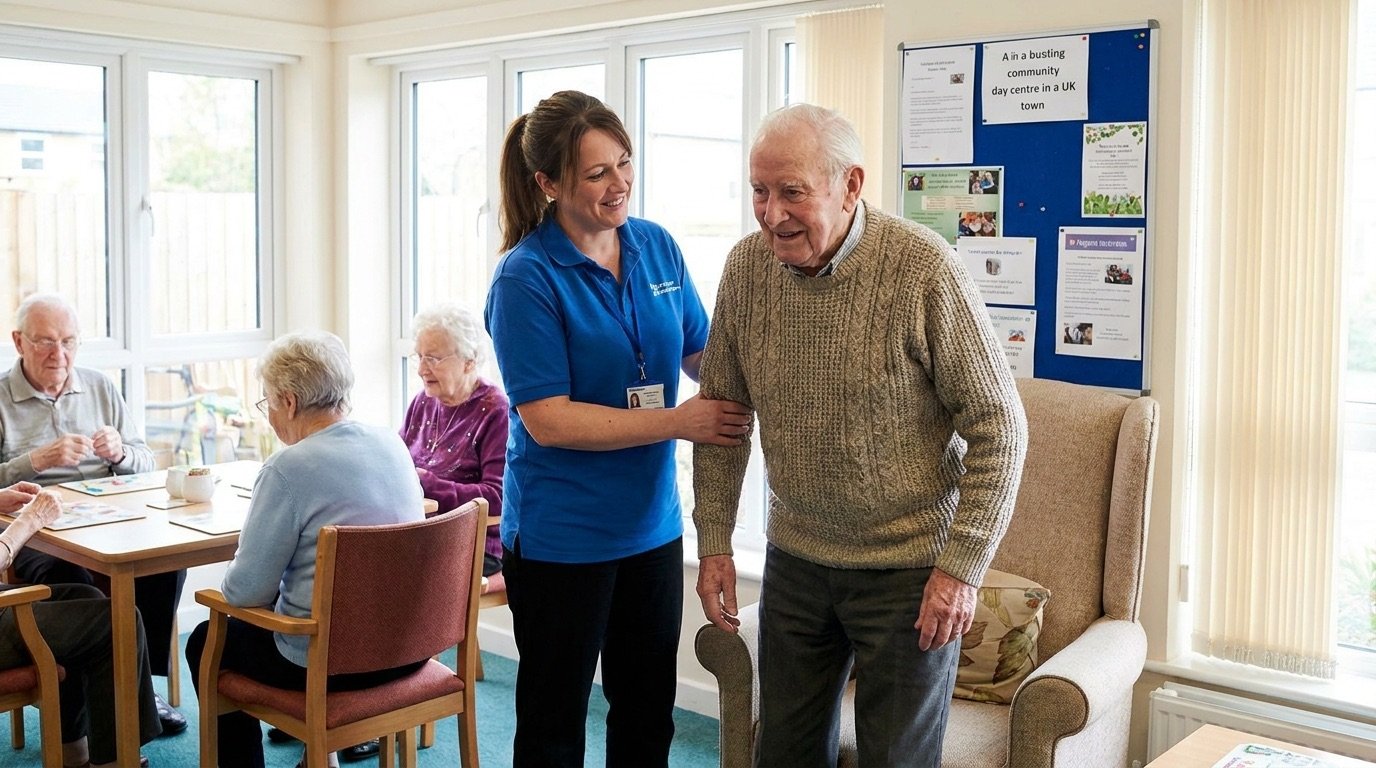
When 274 authorities out of 384 raise tax by the maximum, the referendum threshold has stopped functioning as a restraint and become a target. Councils facing statutory demand for social care, children's services and homelessness support treat the cap as the minimum responsible increase, not the ceiling.
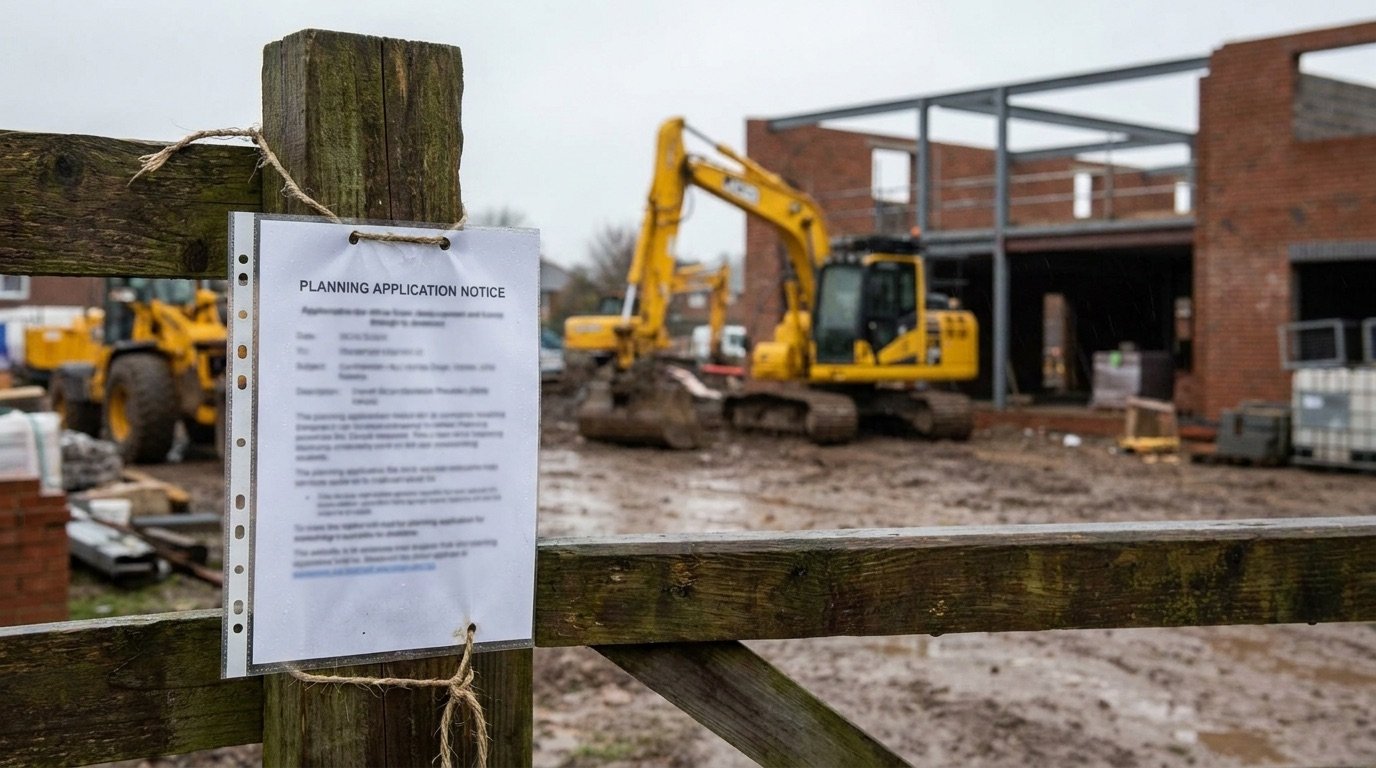
The seven authorities allowed to go beyond the cap illustrate the end of that road: permission to breach the limit is effectively an admission that even a maximum rise cannot balance the budget. Each was in exceptional financial support discussions with the government.
A regressive pressure on households
Council tax bites hardest at the bottom of the income scale because it is only loosely related to property value and not at all to income. A 4.9% rise lands on households already managing higher food, energy and housing costs, and support schemes for low-income payers vary widely between areas.
The irony is uncomfortable: bills are rising fastest to pay for services — social care, temporary accommodation, SEND transport — whose heaviest users are often the same households feeling the increase most.
The revaluation question nobody will touch
England's council tax bands still rest on property valuations from 1991. Homes are taxed on what they were notionally worth thirty-five years ago, producing distortions that experts across the political spectrum agree are indefensible — and that every government has declined to fix, because revaluation creates millions of visible losers.
Each record-breaking year strengthens the reform case: the heavier the tax, the more its unfairness matters. The £46.8 billion requirement makes council tax too big to keep patching indefinitely.
What happens next
Bills for 2026-27 are already landing, and the pattern for next year is predictable without reform: statutory pressures rise faster than the cap, so expect another near-universal maximum increase and more applications to breach it.
The real decision sits with central government — between a funding settlement that matches councils' duties, a rebuilt local tax base, or a continuing drift of annual records. The MHCLG statistics have become an annual reminder of the choice not yet made.
Sources & verification
- GOV.UK / Ministry of Housing, Communities and Local Government — primary reporting referenced by this article
Filed under UK News · Written by Eleanor Whitfield
You may also like to read