Britain stays home: why millions are swapping the airport for the coast this summer
Rising costs, border uncertainty and a fear of last-minute cancellations are pushing a record share of Britons towards domestic breaks. The staycation is back, and this time it is the default rather than the fallback.
Sophie Bennett
Writer ·

For years the British summer holiday meant one thing: an early-morning dash to the airport, a budget flight to the Mediterranean and a fortnight by a hotel pool. In 2026 that ritual is being quietly rewritten. A large and growing share of holidaymakers are choosing to stay on home soil, turning the staycation from a recession-era compromise into the mainstream choice.
Recent travel research points the same way from every angle. Roughly 45 per cent of Britons say they are more interested in a UK holiday than they were last summer, and a clear majority intend to take at least one domestic break this year. Conversation around domestic travel has jumped sharply, and a striking proportion of people who would normally fly say they plan to stay put.
The shift is being felt everywhere from Cornish cottage agencies to Highland campsites, where bookings have come earlier and stretched later into the shoulder season than usual.
Cost is the headline, but it is not the whole story
Money is, predictably, the loudest factor. With flights and package prices high and household budgets still stretched, a domestic trip removes some of the most painful line items: airport parking, baggage fees, currency exchange and the relentless drift of holiday spending in a foreign currency.
But the surveys reveal something subtler underneath the cost story. A significant number of would-be travellers cite uncertainty about overseas arrangements and a fear of last-minute cancellations as reasons to keep things close to home. After several summers of strikes, delays and shifting entry rules across Europe, a holiday you can reach by car has an appeal that no discount can fully explain.
When people do cut back, they tend to do it in predictable ways, trimming the trip rather than scrapping it entirely:
- Choosing a domestic holiday instead of an international one
- Spending less during the trip itself, on meals out and activities
- Picking a cheaper destination than they might have a year ago
- Taking a shorter break, or splitting one long trip into two short ones
- Travelling outside the school peak to dodge the highest prices
Where Britain is heading
The coast remains the runaway favourite, with the countryside close behind and city breaks holding their own. Self-contained travel is having a particular moment: road trips, motorhomes and self-catering lets all chime with a desire for control over costs and over the holiday environment, free from the variables of flights and foreign hotels.
That demand has consequences. Honeypot destinations in Cornwall, the Lake District and parts of Wales and Scotland are bracing for another busy season, and travellers willing to look slightly off the obvious map, to a quieter stretch of the Northumberland coast or a less-celebrated corner of the Yorkshire Dales, will find both better value and fewer crowds.
Britain's cities are quietly benefiting too. Urban breaks in the likes of Edinburgh, Liverpool, Bristol and Manchester offer a different kind of value, with free museums and galleries, cheaper midweek hotel rates and the option to travel by train rather than car. For families weighing the cost of a fortnight away, a short city stay paired with a few days at the coast has become a popular way to stretch a budget across a summer.
“We are seeing people treat the UK as a genuine first choice, not a consolation prize. They want flexibility, they want to drive there, and they want to know exactly what the holiday will cost before they go.”
— A UK travel industry analyst
Background
The staycation boom is not entirely new. Domestic tourism surged during the pandemic when foreign travel was effectively impossible, and the habit never fully receded. What has changed in 2026 is the motivation: where 2020 forced people home, today's travellers are choosing it, weighing the hassle and expense of going abroad against the relative ease of a trip within Britain.
There is a competing pull, too. Major sporting events overseas are expected to shape some travel plans this year, drawing dedicated fans to host cities abroad even as the broader public stays local. The result is a more polarised summer: big-ticket trips for a few, home turf for the many.
The domestic surge also reflects a slow change in how Britons rate their own country as a holiday destination. Years of investment in coastal towns, food and drink, and rural attractions have made the home break feel less like settling and more like a genuine choice, and a run of strong staycation summers has built confidence that a holiday in Britain need not mean a soggy caravan and a chip-shop dinner in the rain.
What it means
For travellers, the practical advice is to book early for the popular spots, stay flexible on dates, and look beyond the obvious destinations for value. For Britain's seaside towns and rural businesses, a second strong domestic season offers a welcome boost, provided they can manage the crowds without pricing out the very visitors driving the boom. Either way, the airport queue is no longer the inevitable start to a British summer.
Sources: reporting by Expedia Newsroom UK.
The NE Times is an independent news and analysis publisher. Our articles combine factual reporting with clearly-written, impartial analysis. Content is for general information and does not constitute professional advice. Disclaimer.
You may also like to read

Summer getaway in focus as holidaymakers hunt deals amid disruption fears
With the school holidays approaching, package deals to Spain, Greece and Turkey are tempting bargain hunters, even as airlines and the Government move to reassure travellers worried about flight disruption this summer.

British seaside breaks make a comeback as 2026 staycation deals heat up
With holiday parks offering aggressive discounts and classic resorts back in fashion, the great British seaside is shaping up to be one of summer 2026's best-value escapes.
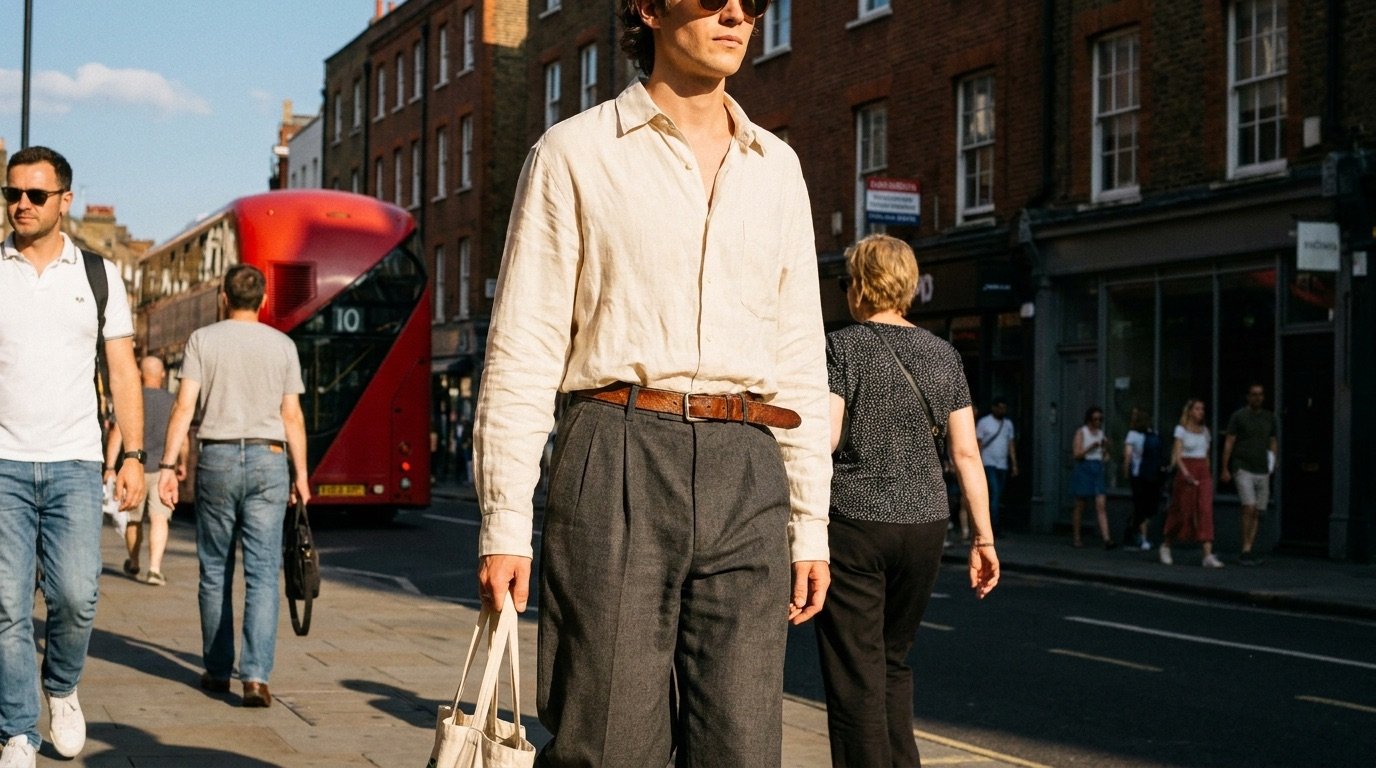
Wide legs, utility and linen: the high-street looks defining summer 2026
The skinny jean is officially over. As Britain's high street embraces wide-leg trousers, utilitarian cargo and breezy linen, this summer's wardrobe is built around comfort that still looks considered.

EU's new fingerprint borders are live: what British holidaymakers need to know before flying
The Entry/Exit System is now running across 29 European countries, replacing the passport stamp with fingerprints and a photo. Here is how to avoid the queues.