British seaside breaks make a comeback as 2026 staycation deals heat up
With holiday parks offering aggressive discounts and classic resorts back in fashion, the great British seaside is shaping up to be one of summer 2026's best-value escapes.
Sophie Bennett
Writer ·

The humble British seaside holiday is enjoying a revival, and for budget-conscious families it could hardly come at a better time. Holiday parks are entering the 2026 peak season with unusually high availability and some of the most competitive pricing seen in years, prompting a wave of interest in the kind of coastal break that defined British summers for generations.
Leading operators have been advertising summer caravan breaks from under £200 for short stays, with several June and early July offers pitched below last year's peak levels. The result is a rare buyer's market for anyone happy to swap the airport queue for a coastal promenade, and a notable shift after years in which overseas trips dominated the summer holiday conversation.
Travel analysts say the combination of softer demand and abundant supply has handed holidaymakers unusual leverage, with operators keen to fill rooms and pitches that might otherwise sit empty during the crucial summer window.
Old favourites back in fashion
Classic resorts are leading the charge. Somerset's Weston-super-Mare has been tipped as a top trending destination for the year ahead, with analysis of booking data, online searches and social media buzz pointing to renewed affection for quintessential British beach days. The town's blend of traditional attractions and nostalgic appeal has struck a chord with families looking for an affordable, low-fuss escape.
- A traditional Grand Pier with rides and a cafe
- A free lido for open-air swimming
- Arcades, fish and chips and fairground attractions
- The Grade II* Birnbeck Pier undergoing restoration
Visitors are advised to stick to designated swimming areas, as parts of the beach are known for soft, sinking mud rather than firm sand. It is a quirk that has done little to dent the town's nostalgic appeal, and one that locals tend to regard with a certain affection as part of the resort's character.
Weston is far from alone. Resorts up and down the coast, from the genteel Victorian towns of the south to the bracing beaches of the north, are reporting renewed interest as travellers rediscover the simple pleasures of a day by the sea. Many have invested in regeneration projects in recent years, restoring piers, promenades and seafront attractions in an effort to draw visitors back.
“There is a real appetite this year for the traditional seaside break, and the value on offer is making it an easy sell.”
— A holiday park operator
Why staycations are winning out
The renewed appeal of the British coast owes much to the maths of the modern family holiday. With the cost of flights, airport parking, foreign currency and overseas accommodation all adding up, a domestic break can offer significant savings, particularly for larger families who would otherwise need multiple plane tickets. The flexibility of being able to drive to a destination, and the absence of baggage limits and check-in queues, only sweetens the deal.
There is a money-conscious trend running through this year's bookings too, with more travellers choosing to book directly with park and accommodation owners for greater transparency on where their cash ends up. Cutting out the middleman can mean better prices and a clearer picture of exactly what is included, an approach that has gained traction as households watch every pound.
Background and context
The British seaside holiday has waxed and waned in popularity over the decades, eclipsed for a time by the rise of cheap package trips to the Mediterranean and beyond. Recent years, however, have seen a steady revival of interest in domestic travel, driven first by circumstance and increasingly by choice as travellers rediscover the charm of the coast and weigh it against the rising cost and hassle of going abroad.
That shift has prompted investment in many coastal towns, with regeneration schemes aimed at restoring faded grandeur and attracting a new generation of visitors. The restoration of historic structures such as Weston's Birnbeck Pier is emblematic of efforts to preserve the heritage that gives these resorts their distinctive character.
The holiday park sector, meanwhile, has long been a fixture of the British summer, offering a packaged, family-friendly version of the seaside break with on-site entertainment, pools and dining. The current run of competitive pricing reflects both the wider economic backdrop and the sheer scale of capacity these operators have to fill during the short peak season, when the bulk of their annual income is earned.
What it means for travellers
For families weighing up the cost of a trip abroad, a well-timed seaside staycation may prove the savvier choice in 2026. With operators competing hard on price and classic resorts back in vogue, those willing to plan ahead and shop around stand to secure a memorable break without the expense and stress of overseas travel. Whether the revival proves a lasting shift or a passing response to tight budgets, this summer at least, the great British seaside looks set for a busy season.
Sources: reporting by Time Out.
The NE Times is an independent news and analysis publisher. Our articles combine factual reporting with clearly-written, impartial analysis. Content is for general information and does not constitute professional advice. Disclaimer.
You may also like to read

Britain stays home: why millions are swapping the airport for the coast this summer
Rising costs, border uncertainty and a fear of last-minute cancellations are pushing a record share of Britons towards domestic breaks. The staycation is back, and this time it is the default rather than the fallback.

EU's new fingerprint borders are live: what British holidaymakers need to know before flying
The Entry/Exit System is now running across 29 European countries, replacing the passport stamp with fingerprints and a photo. Here is how to avoid the queues.

Summer getaway in focus as holidaymakers hunt deals amid disruption fears
With the school holidays approaching, package deals to Spain, Greece and Turkey are tempting bargain hunters, even as airlines and the Government move to reassure travellers worried about flight disruption this summer.
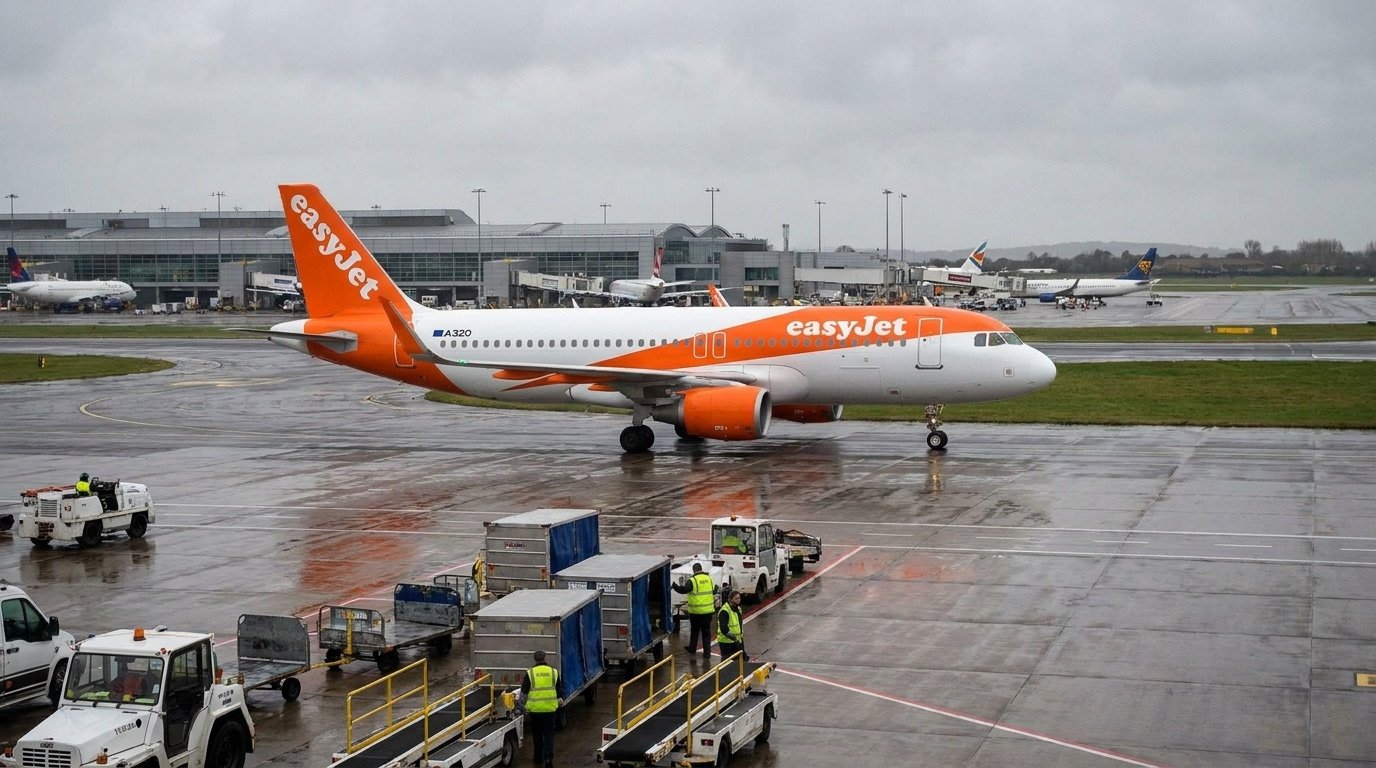
easyJet calls Castlelake takeover interest 'opportunistic' as deadline looms
The budget airline has rebuffed early-stage approach talk from the US investment firm, with a Takeover Code deadline of 26 June forcing Castlelake to bid or back off.