NE Times
Politics

The Future of UK Streaming: Media Green Paper, Public-Service Prominence and the End of Traditional TV Distribution

This policy debate connects every platform in the pack: Netflix and global streamers compete with BBC iPlayer, ITVX and Channel 4 while traditional terrestrial…

Eleanor Whitfield

UK News & Politics Editor ·

4 min read
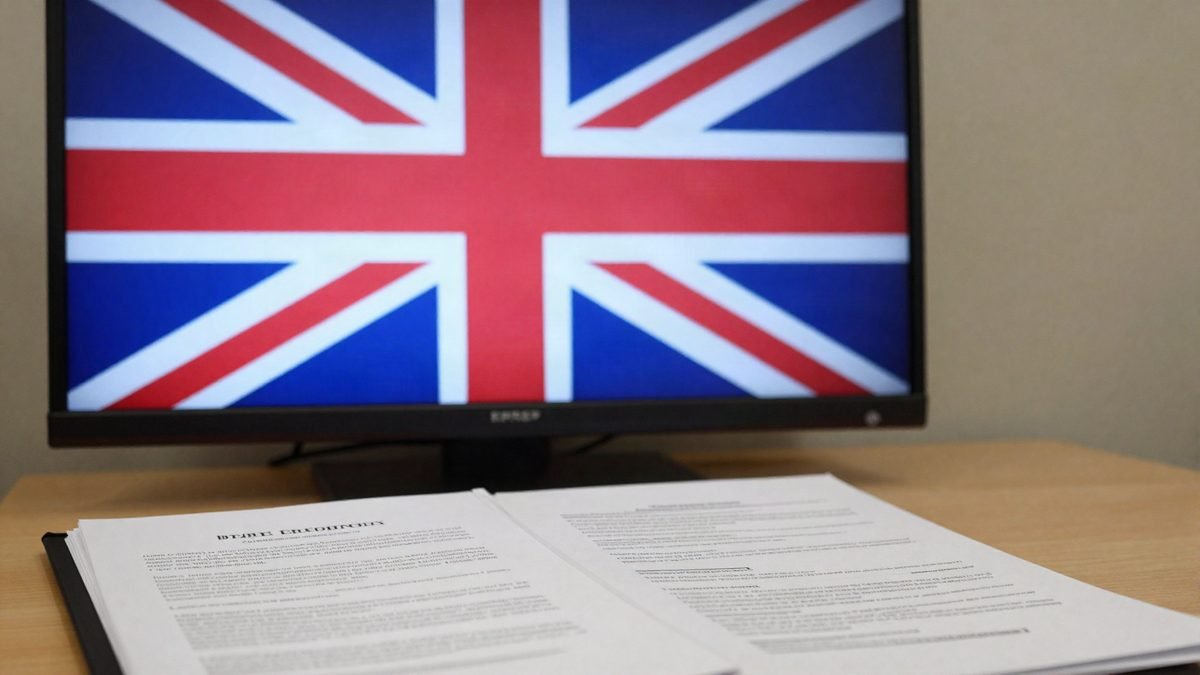
A TV showing a Union Jack colour motif beside official documents
A TV showing a Union Jack colour motif beside official documents · Illustrative image

Why it's trending

This policy debate connects every platform in the pack: Netflix and global streamers compete with BBC iPlayer, ITVX and Channel 4 while traditional terrestrial distribution faces long-term decisions.

The UK television system was built around a small number of channels with public obligations and near-universal access. Streaming has transformed choice, but it has also transferred power to global platforms, device manufacturers and recommendation systems that decide what viewers see first. This development is part of the UK news agenda for the week from 27 July to 2 August 2026. It is receiving attention because this policy debate connects every platform in the pack: Netflix and global streamers compete with BBC iPlayer, ITVX and Channel 4 while traditional terrestrial distribution faces long-term decisions.. The essential task is to separate confirmed facts from interpretation, explain the practical effect and identify what readers should verify before acting on the information.

Why prominence matters

Public-service programmes can be difficult to find if an interface prioritises paid placements or a platform's own content. Updated prominence rules aim to ensure that BBC, ITV, Channel 4 and other regulated services remain visible on connected devices. That context changes how the headline should be understood. Public trust is another part of the story. Voters have seen ambitious announcements followed by revised targets, delayed systems and responsibilities passed between institutions. Trust improves when government publishes limitations, explains trade-offs and admits what is not yet decided. For UK media green paper streaming, clear evidence and an honest account of uncertainty are more durable than presenting every development as a completed transformation.

The future of terrestrial distribution

Maintaining universal broadcast networks costs money as audiences decline. Moving services online could reduce duplication, but reliable broadband, simple devices and support for vulnerable users would be essential. The operational detail is where the story becomes useful to readers. The long-term test is whether the measure changes behaviour and outcomes after the news cycle moves on. Early statistics can be volatile, while benefits and problems may appear months later. Editors should plan follow-up coverage of UK media green paper streaming around implementation dates, spending reviews, official evaluations and testimony from affected groups. That turns a launch article into accountable public-service journalism.

Trusted news and democratic value

Streaming fragments audiences and allows misinformation to travel outside regulated broadcasting. The government is considering how trusted news, local reporting and public-interest programming remain financially and technically accessible. This is also the point at which different interests begin to diverge. The distinction between an announcement and an operating policy is important here. Ministers can change the political direction quickly, but delivery normally depends on budgets, statutory authority, civil-service instructions and organisations outside Whitehall. For UK media green paper streaming, the strongest future evidence will be published guidance, measurable milestones and independent scrutiny rather than the volume of launch-day coverage. Readers should therefore separate the confirmed decision from the assumptions being made about its eventual impact.

Competition with global platforms

Netflix, Amazon, Disney, Apple and others invest heavily in UK production but operate global catalogues and commercial models. Policy must encourage investment without allowing domestic obligations to fall only on British broadcasters. The next stage will reveal whether the stated objective is realistic. The distributional question deserves equal attention. A national policy can create different outcomes by region, income, age, disability or institutional capacity. Coverage of UK media green paper streaming should ask who receives the immediate benefit, who carries administrative or financial risk and whether protections exist for people who are least able to navigate a new system. Those questions are not objections to change; they are the practical test of whether reform works fairly.

Advertising, subscriptions and household cost

Viewers increasingly combine ad-supported free services with several subscriptions. Fragmentation can recreate a large monthly bill, while rights move between apps and make popular culture less universally shared. For publishers, precision on timing and scope is particularly important. There is also a governance issue. Responsibility may be shared between central departments, regulators, councils, mayors, employers or service providers, and unclear hand-offs are a common source of delay. A credible programme needs named decision makers, transparent reporting and a route for complaints or correction. In the case of UK media green paper streaming, scrutiny should follow the delivery chain instead of assuming that a statement from No 10 automatically changes practice everywhere.

How the consultation may change services

Future legislation could affect interface placement, data access, accessibility, advertising and distribution duties. The green paper is a consultation rather than final law, so submissions and the government response will shape the next stage. The wider significance extends beyond the immediate announcement. Political incentives will shape the next stage. The government wants visible evidence that a new prime minister has changed priorities, while opposition parties have reasons to emphasise cost, competence or unintended consequences. The useful reporting task is to test both sides against documents and outcomes. UK media green paper streaming may remain popular as an idea even if implementation becomes contested, so the article should keep policy substance separate from party strategy.

What happens next

The next update on UK media green paper streaming should be judged against the specific commitments and dates already published. Readers should watch for formal guidance, revised platform listings, implementation data, court or parliamentary developments, and statements from organisations directly responsible for delivery. The green paper is a consultation, not implemented law. Clearly distinguish proposals, stakeholder views and existing statutory duties. The article should therefore be refreshed immediately before publication and again when the first measurable outcomes are available.

Sources & verification

  • GOV.UK - Watch This Space media green paper
  • Channel 4 - digital summer slate
  • ITV Press Centre - About ITVX

Filed under Politics · Written by Eleanor Whitfield