NHS A&E departments record busiest May ever after heatwave
Hospitals in England managed nearly 2.46 million A&E attendances in May, the highest for any month on record, as a heatwave drove a surge in demand and June set a fresh record for the month.
Eleanor Whitfield
Writer ·
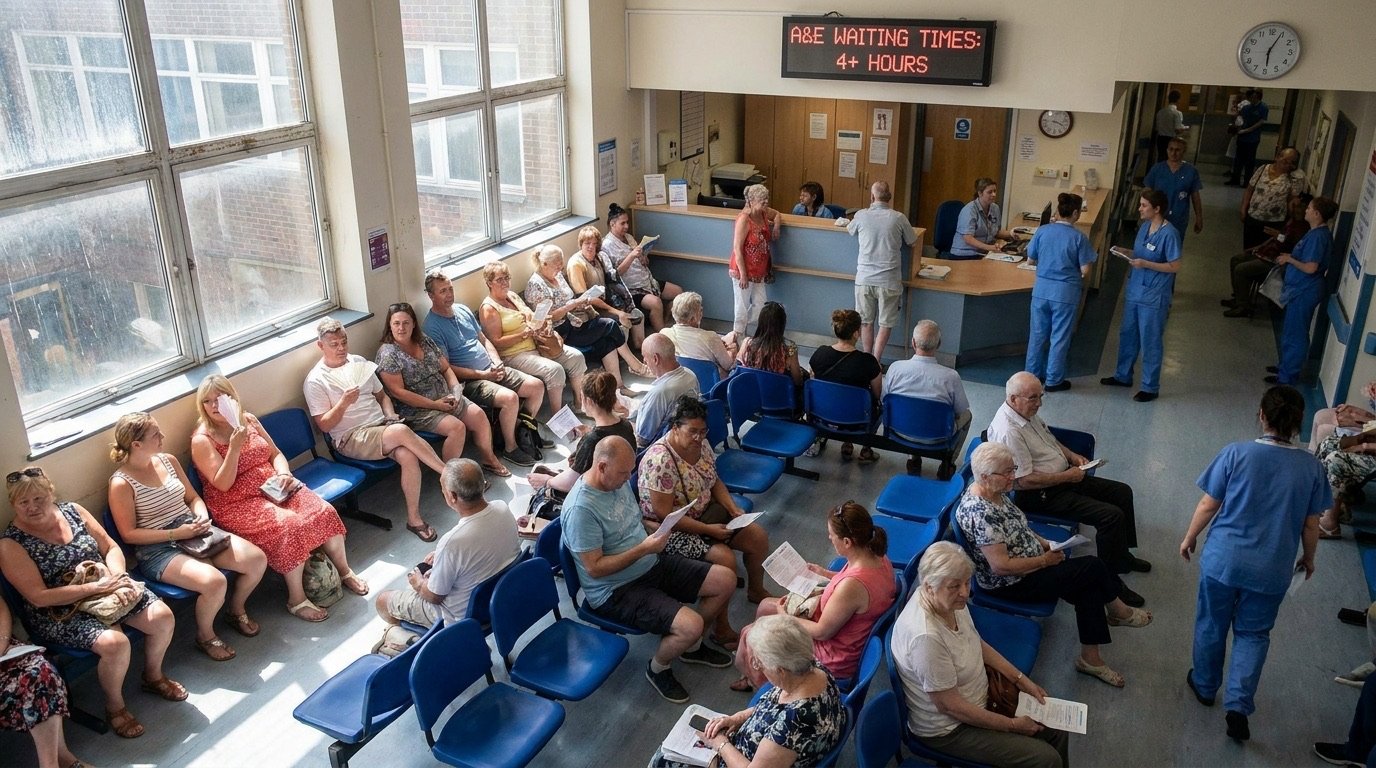
NHS accident and emergency departments in England recorded their busiest month on record in May, as a heatwave piled pressure on already stretched services. Hospitals managed 2,457,398 A&E attendances during the month, around 25,000 more than the previous record, which had been set only weeks earlier.
The figures lay bare the strain that extreme heat places on the health service, with emergency departments dealing with cases ranging from heat exhaustion and dehydration to the worsening of existing conditions in vulnerable patients. The surge came at a time of year traditionally seen as a respite from the winter pressures that dominate NHS planning.
The pressure did not ease as summer continued, with the NHS going on to handle more than 2.29 million A&E attendances in June, a record for that month, alongside more than half a million emergency admissions.
The toll of the heat
Senior NHS figures said staff in emergency departments had borne the brunt of the hot weather, with the heat taking a particular toll on older people, those with long-term conditions and people living in homes and buildings prone to overheating. Visits to heat-related health advice on the NHS website rose sharply as temperatures climbed.
“A&E staff bore the brunt of the heatwave in May, as the hot weather took its toll on the public.”
— Professor Francesca Swords, National Medical Director for the NHS
Why heat hits the NHS hard
Hot weather increases demand on the health service in several overlapping ways. Heat can trigger or worsen heart and breathing problems, cause dehydration and heatstroke, and make existing illnesses harder to manage. At the same time, many NHS buildings struggle to stay cool, creating uncomfortable and at times unsafe conditions for patients and staff alike.
- 2,457,398 A&E attendances in May, the highest of any month on record
- Around 25,000 above the previous record set earlier in the year
- More than 2.29 million attendances in June, a record for the month
- Over half a million emergency admissions in June
Research has highlighted that a large majority of NHS buildings in England are prone to overheating, raising questions about how well the estate is equipped to cope as hot summers become more frequent. Wards and clinical areas that become too warm can be uncomfortable and even dangerous for patients, and can affect the storage of medicines and the performance of equipment.
Heat also compounds existing pressures on the system. When demand surges, ambulances can face delays handing over patients, beds fill up and the flow of patients through hospitals slows, all of which make it harder to maintain performance against waiting time standards.
Advice to the public
The NHS urged people to take simple precautions during periods of high temperature, including staying hydrated, keeping out of the midday sun, checking on elderly and vulnerable neighbours and being cautious about what they drink. Officials encouraged people to use services such as pharmacies and NHS 111 for advice where appropriate, reserving emergency departments for genuine emergencies.
“Hot weather can be dangerous, especially for the very young, older people and those with underlying conditions, so it is vital that everyone takes care and looks out for one another.”
— an NHS spokesperson
Background
A&E performance has been under sustained pressure for several years, with the proportion of patients seen within the four-hour target falling well short of the standard. Record attendance figures during the summer underline that demand on emergency care is no longer confined to the winter months. Climate experts have warned that heatwaves are becoming more frequent and intense in the UK, making summer resilience an increasing priority for the health service.
NHS leaders are expected to keep heat-related demand under close review and to press for investment in cooling and ventilation across the hospital estate. With further hot spells likely over the summer, the service faces a continued test of its ability to cope outside the traditional winter crisis period. Officials have signalled that planning for hot weather, once an afterthought compared with winter preparations, will need to become a core part of how the NHS manages year-round demand. That is likely to mean clearer public messaging during heat alerts, better protection for the most vulnerable patients, and longer-term work to make hospital buildings fit for a warming climate.
Sources: reporting by NHS England.
The NE Times is an independent news and analysis publisher. Our articles combine factual reporting with clearly-written, impartial analysis. Content is for general information and does not constitute professional advice. Disclaimer.
You may also like to read

NHS waiting list progress slows as cancer and A&E targets missed
The latest figures show the elective waiting list in England standing at more than 7.2 million cases, with progress on bringing it down described as sluggish and key cancer and emergency targets still being missed.
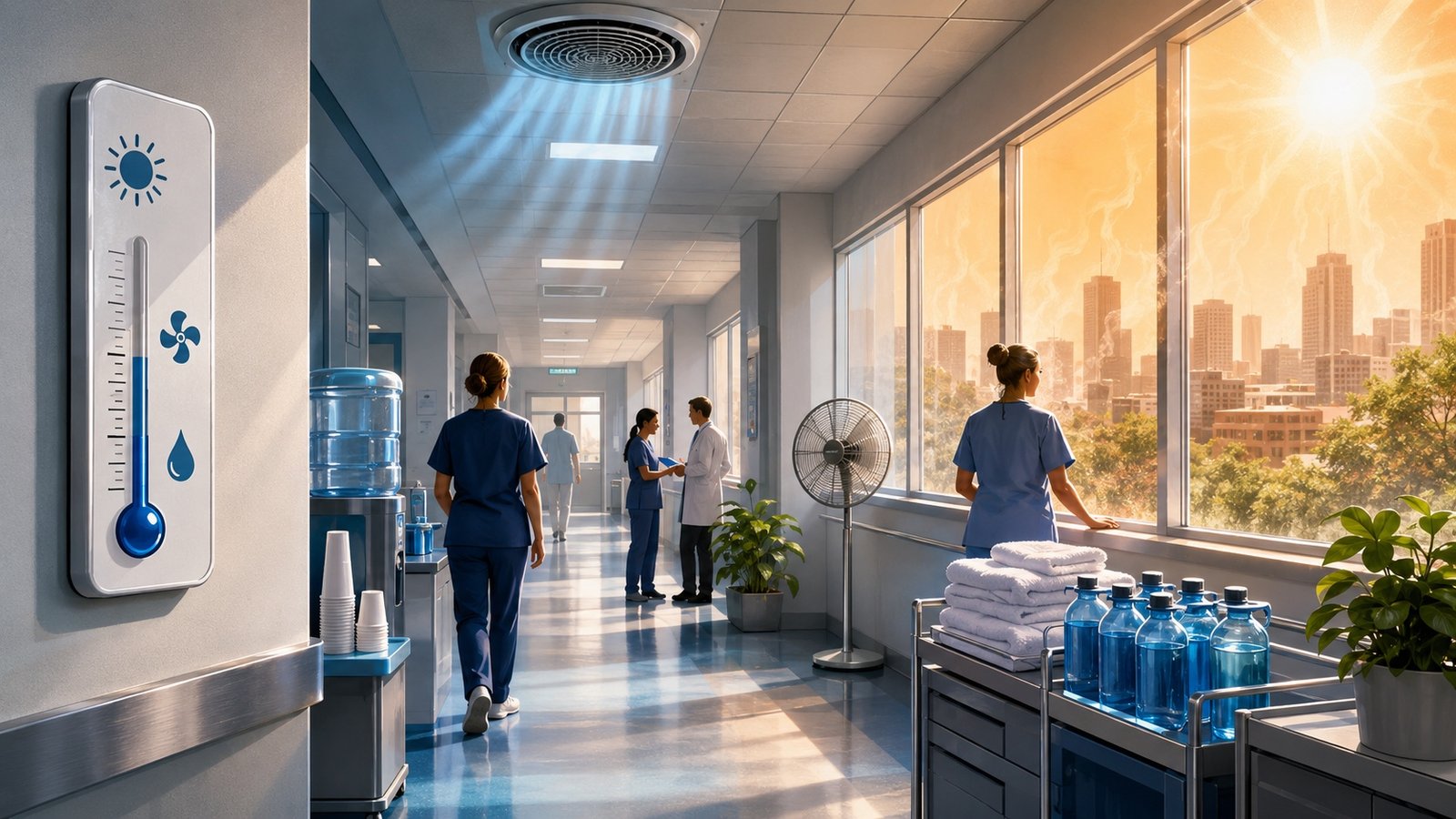
Hospitals Keep Improvising Through Heatwaves — the Plan Has to Come First
Europe's latest extreme heat shows health systems built for an older climate cannot keep writing heatwave plans after the wards are already hot.

Heat-health alert issued as second heatwave grips southern England
The UK Health Security Agency has warned of health risks across London, the South East and parts of eastern and central England as temperatures climb, with older and unwell people most at risk.
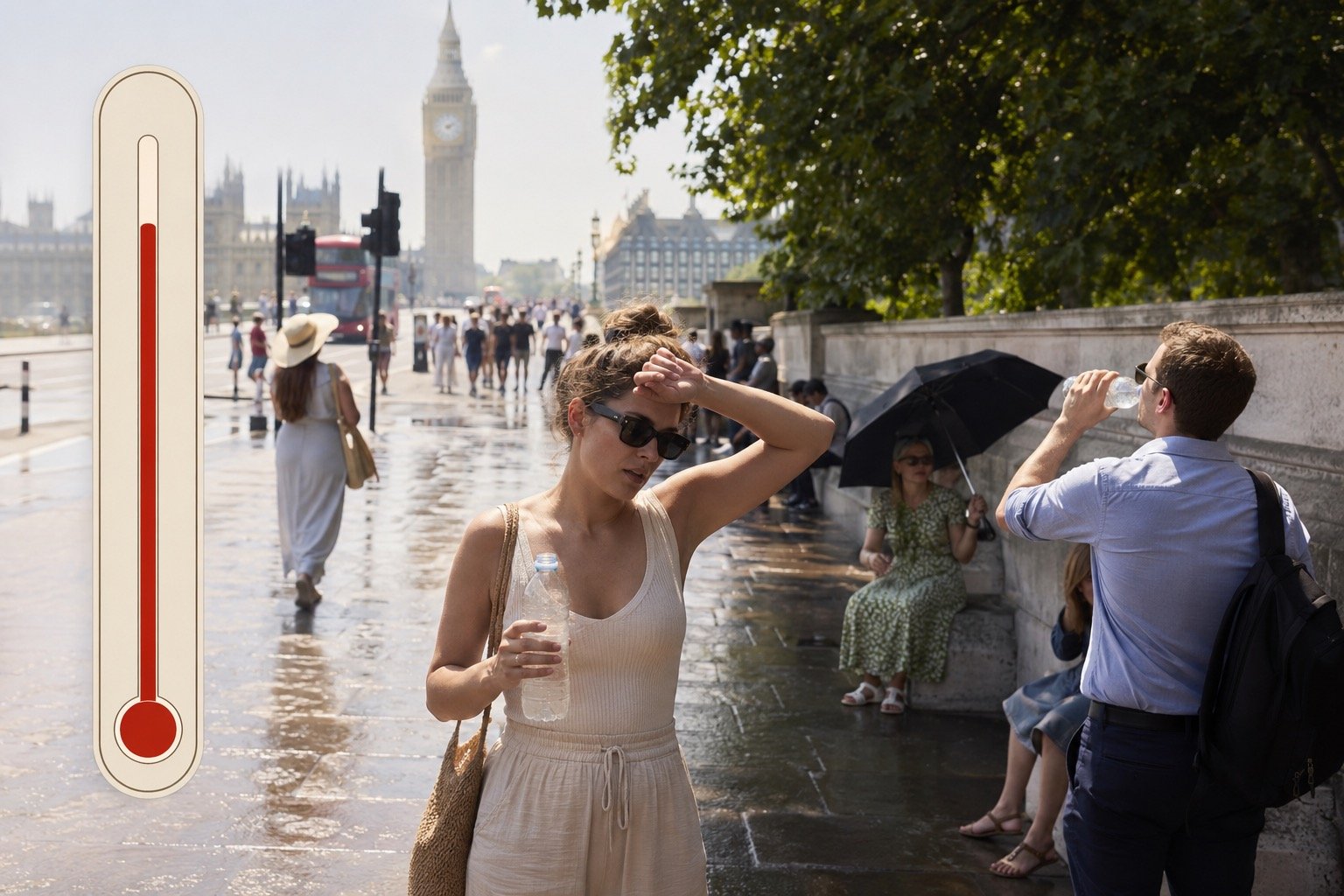
UK records hottest June day as heatwave intensifies
Britain has logged its hottest June day on record as a heatwave drives temperatures sharply higher and warnings are extended.