CalMac races to restore island lifeline as ageing fleet returns to service
Scotland's west coast ferry operator is working through a timeline to bring its major vessels back into service after a third of the fleet was sidelined this spring, leaving island communities facing reduced capacity and renewed questions about the long-term reliability of their lifeline routes.
Eleanor Whitfield
Writer ·
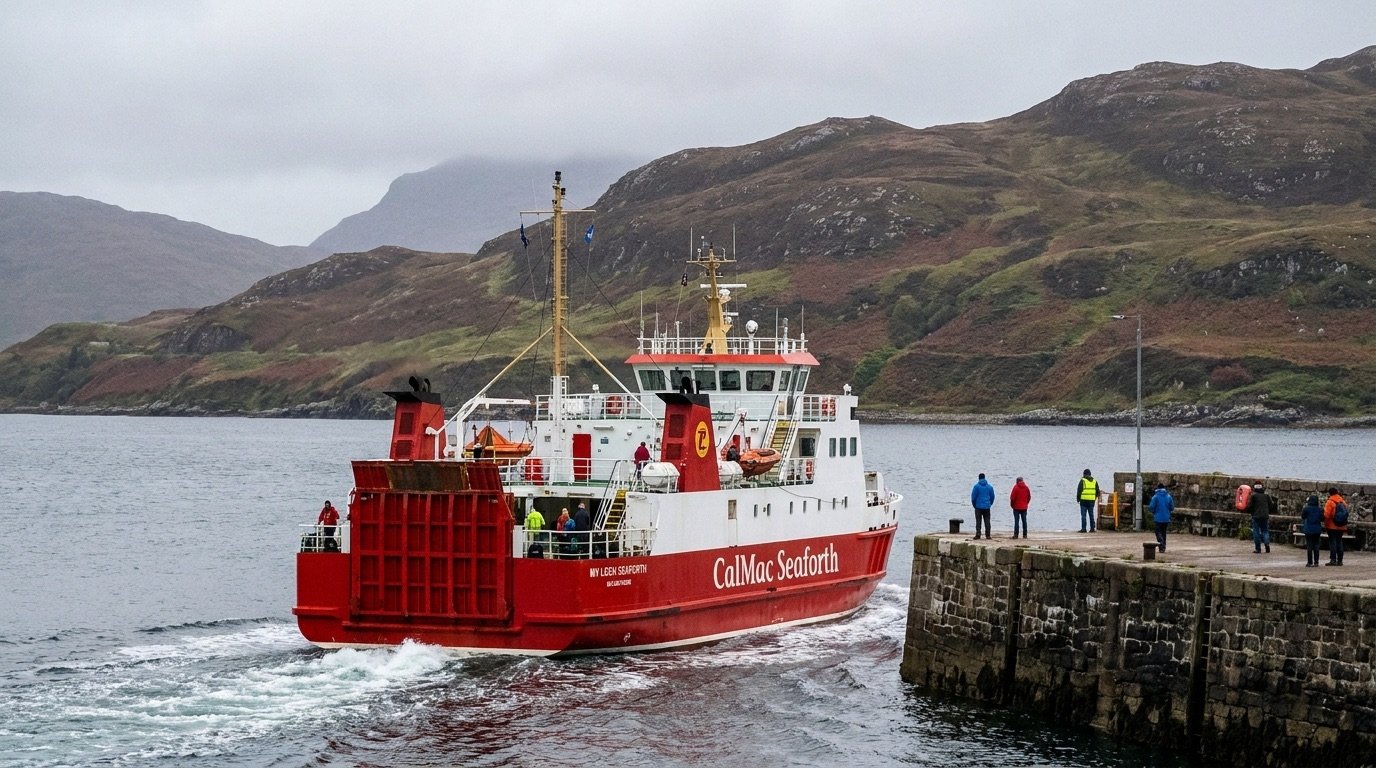
Scotland's island communities are watching the harbour timetables closely as CalMac, the state-owned operator of west coast ferry services, works to bring its fleet back to full strength after one of its most difficult periods in years.
The operator has set out a timeline for all of its major vessels to return to service following what it described as a challenging few weeks, during which roughly a third of the fleet was out of action at once.
For islanders who depend on the ferries for food, fuel, medical appointments and the tourist trade that sustains many local economies, the disruption has been more than an inconvenience; it is a recurring threat to daily life.
A fleet under strain
The spring breakdowns saw multiple vessels pulled for repairs simultaneously, with six ferries remaining out of service even as journeys resumed with reduced capacity on some routes.
The operator has had to juggle its remaining ships across a sprawling network, cancelling or curtailing sailings and prioritising the busiest crossings, leaving smaller communities particularly exposed.
CalMac says it is now working methodically to return each affected vessel, but the episode has reinforced concerns about the age and resilience of a fleet that has been waiting years for replacements.
The impact on islanders
Community leaders across the Hebrides and Clyde routes have repeatedly warned that unreliable ferries undermine confidence in island living, deterring families and businesses from putting down roots.
The disruption has knock-on effects far beyond travel itself, hitting everything from school transport to the timely delivery of goods.
The pressures the network has faced this spring:
- Around a third of the CalMac fleet was out of service at the peak of the disruption.
- Six ferries remained out of action even as some journeys resumed.
- Services restarted with reduced capacity on several routes.
- Island communities faced disruption to supplies, appointments and tourism.
- CalMac published a timeline for all major vessels to return to service.
A political headache
Ferry reliability has long been a sore point for the Scottish Government, which owns both the operator and the vessels through associated public bodies, and which has faced years of criticism over delayed and over-budget new ships.
With a minority administration now reliant on cross-party support, ministers will be acutely aware that island connectivity is the kind of practical issue on which governments are judged.
“We understand the frustration these disruptions cause and we are working through a clear timeline to return every major vessel to service.”
Background
CalMac operates lifeline services to many of Scotland's inhabited islands, a network whose reliability depends on an ageing fleet that has been awaited replacement vessels delayed by problems at Scottish shipyards.
The saga of those delayed new ferries has become emblematic of wider questions about public-sector project delivery in Scotland, and a persistent line of attack for opposition parties.
What happens next: islanders will judge CalMac on whether the published timeline holds through the busy summer season, while pressure builds for faster delivery of the new vessels meant to end the cycle of breakdowns.
Sources: reporting by STV News.
The NE Times is an independent news and analysis publisher. Our articles combine factual reporting with clearly-written, impartial analysis. Content is for general information and does not constitute professional advice. Disclaimer.
You may also like to read

Swinney's SNP returns to power but minority maths force independence reckoning
John Swinney begins a fifth consecutive SNP term at Holyrood after the May election, but with no majority and Reform UK newly installed at parliament, the First Minister's pledge to force a Section 30 confrontation with Westminster is testing his slender authority.

Tube drivers' union digs in over four-day week as TfL dispute remains unresolved
London Underground services faced disruption after RMT members walked out over Transport for London's proposed four-day working week, with the union citing fatigue and safety fears and no lasting agreement yet reached.

HS2 to close the M42 and M6 for biggest motorway works yet this summer
Engineers will lift huge bridge structures over two of the West Midlands' busiest motorways across a series of weekend closures starting in late June.

Tube drivers walk out twice over 'fake four-day week' as ridership slumps
London Underground was thrown into chaos at the start of June as RMT members staged two strikes over a compressed working week, with Tube usage falling sharply on the worst-hit days.