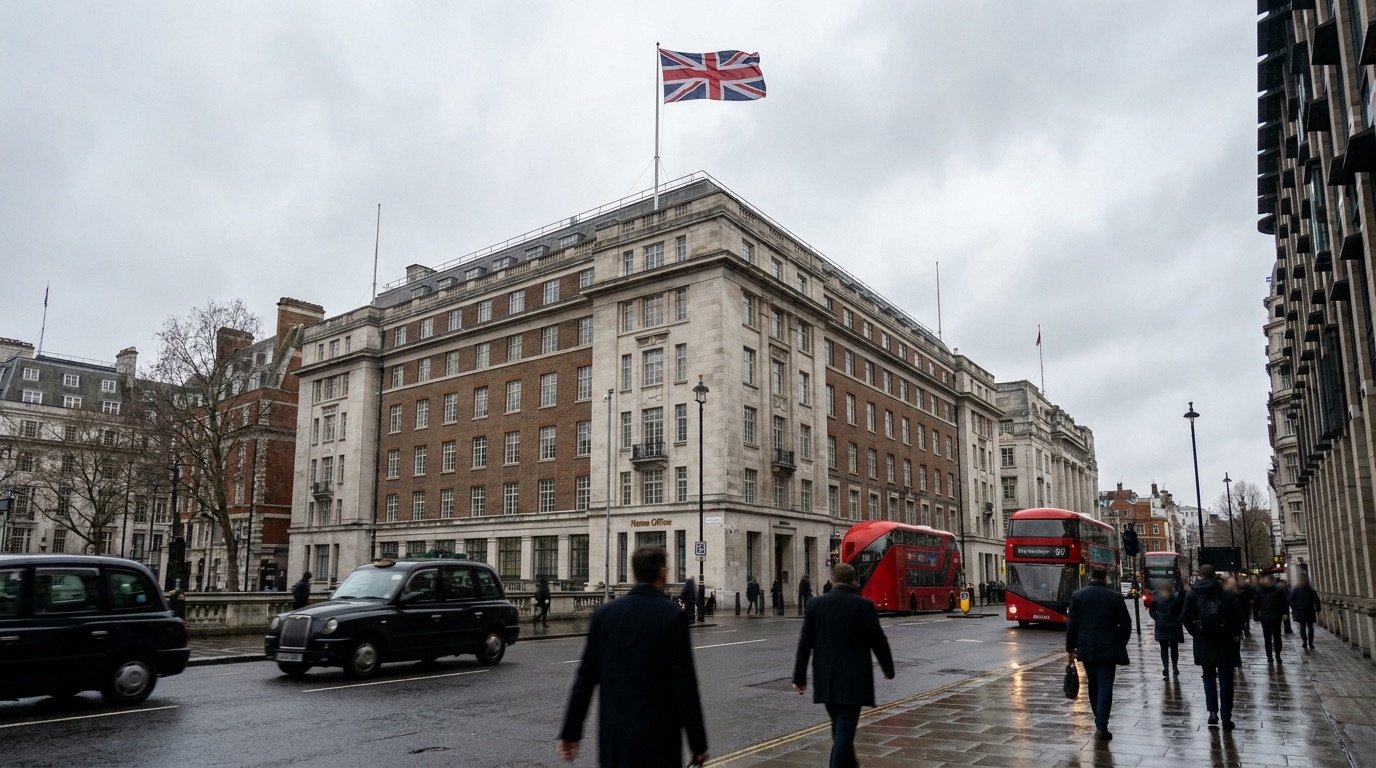
Channel small-boat arrivals down sharply in early 2026 — but ministers brace for summer surge
Home Office figures show crossings 38% lower than the same period last year, yet officials caution the warmer months historically drive the largest numbers.
UK News & Politics Editor ·

Why it's trending
Crossings are running 38% below last year — but the warm months have historically produced the biggest surges.
Small-boat crossings of the English Channel are running well below last year's level, with around 9,000 people recorded by the end of May 2026 — a 38% fall on the same period in 2025. Ministers, though, are deliberately cautious: summer has historically produced the year's largest numbers, and officials are braced for the pattern to repeat.
Analysis by the Migration Observatory at Oxford University puts the recent figures in their longer context. Roughly 36,000 people arrived in the twelve months to 31 May 2026, down 13% year on year; about 41,000 crossed in calendar year 2025; and more than 203,000 crossings have been detected in total since the route emerged in 2018.
At a glance
- Around 9,000 crossings recorded by the end of May 2026, down 38% year on year
- Roughly 36,000 arrivals in the 12 months to 31 May 2026, down 13%
- More than 203,000 crossings detected in total since 2018
- About 41,000 people crossed in calendar year 2025
Reading a 38% fall honestly
A double-digit fall over five months is a real change, not statistical noise. But crossing numbers are notoriously weather-sensitive, and a season's figures can swing on the number of calm-sea days as much as on policy. That is why officials pair every encouraging update with a warning about the summer.
The twelve-month measure — down a more modest 13% — is the steadier gauge, smoothing out weather and seasonal effects. Both numbers point the same way for now; the question is whether July and August preserve the trend or erase it.
Why summer is the stress test
Warm months lower the risk calculation for smuggling networks: calmer seas, longer daylight and higher survival odds mean more launch attempts per week. Every year of the small-boats era has seen its heaviest traffic between June and September.
That seasonality shapes enforcement, too. French beach patrols, joint intelligence work against supply chains and UK processing capacity all face their annual peak load in precisely the period when political attention is sharpest.
The policy backdrop
The current decline coincides with a layered set of interventions: intensified cooperation with France, action against the dinghy supply chain, faster asylum processing, and the returns arrangements designed to blunt the promise smugglers sell — that reaching a beach means staying.
Attributing the fall to any single measure is analytically hazardous, and the Migration Observatory is careful on this point. Push factors in origin countries, conditions along transit routes and smuggler pricing all move independently of British policy.
The human ledger
Behind the aggregates sit the constants of this route: overloaded dinghies, families paying life savings to criminal networks, and a Channel that remains one of the world's busiest shipping lanes. Deaths at sea have accompanied every year of crossings, and rescue services on both coasts plan for the worst months ahead.
The 203,000 cumulative figure since 2018 also represents a caseload that has passed through — or still sits within — the asylum system, shaping accommodation, decision backlogs and local authority pressures far from the Kent coastline.
What happens next
The next quarterly statistics will show whether early-2026 progress survives its first full summer. Officials will be watching weekly launch patterns, French interception rates and the behaviour of smuggling networks adjusting to enforcement.
Politically, the stakes are unambiguous: a summer that holds the 38% improvement would let ministers claim the approach is working; a record-breaking August would reset the argument entirely. The sea, as ever, will have a vote.
Sources & verification
- Migration Observatory — primary reporting referenced by this article
Filed under UK News · Written by Eleanor Whitfield
You may also like to read