Burnham says wealthier areas must take a bigger share of asylum dispersal
Andy Burnham has revived the argument over where asylum accommodation should be located, saying poorer communities cannot be expected to absorb a disproportionate share while wealthier parts of the country remain comparatively insulated.
UK News & Politics Editor ·
Why it's trending
The Prime Minister has reopened the dispersal argument just as Oxfordshire residents fight a plan to house up to 1,250 asylum seekers at a former military site.
The Prime Minister made the case for a broader dispersal of asylum seekers in comments reported by IBTimes UK after an interview with GB News. His intervention comes amid protests around Piddington in Oxfordshire, where LBC has reported opposition to plans for up to 1,250 adult male asylum seekers at a former military site near Bicester. The political argument is about distribution as much as overall numbers: who hosts people while claims are processed, how local capacity is measured and whether the Home Office should accept higher accommodation costs to spread placements more evenly.
At a glance
- IBTimes UK: Burnham said poorer communities should not continue to carry a disproportionate share of asylum accommodation and argued that wealthier areas should play a greater part.
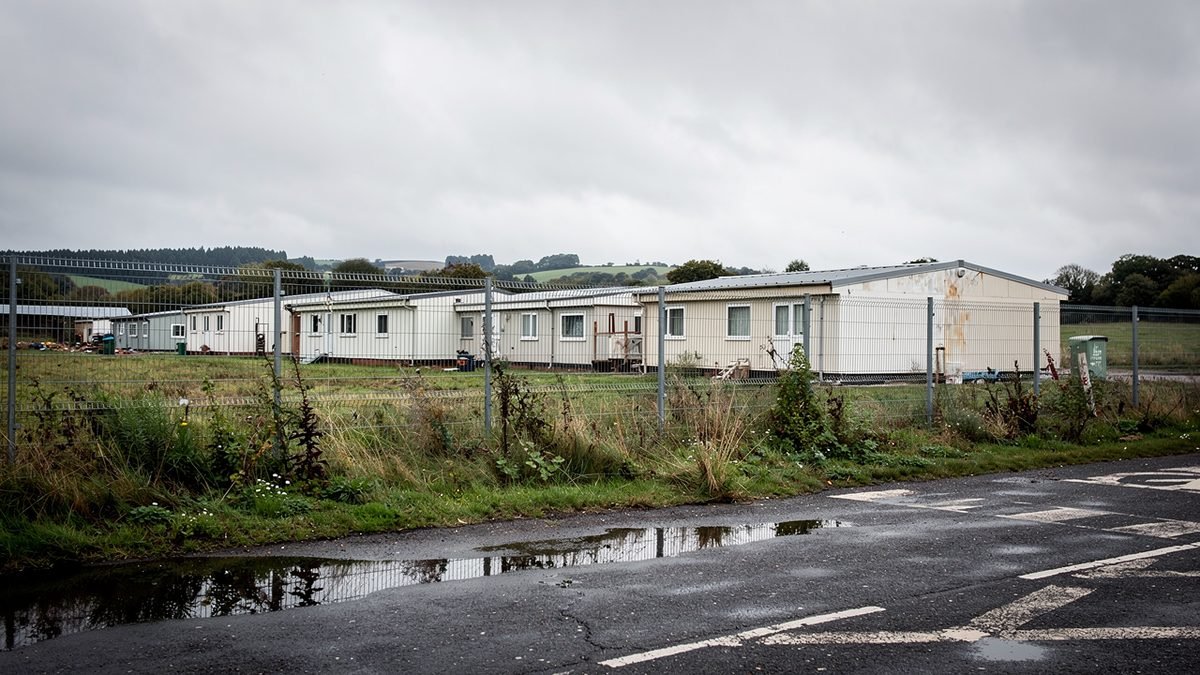
- LBC: Residents near Piddington, Oxfordshire, have opposed plans to use a former military site near the village for up to 1,250 adult male asylum seekers.
- The Guardian: A 2021 analysis found almost one in four Home Office-supported asylum seekers were housed in 10 local authorities, nine of them among the most deprived in the UK.
- The Guardian: Middlesbrough, Cardiff, Rochdale and Glasgow were among the authorities highlighted in that 2021 analysis.
- BBC reporting on the Bicester proposal: the former MoD site sits between Piddington and nearby villages and forms part of the government effort to reduce reliance on asylum hotels.
A fairness argument rooted in geography
The dispersal system has long been shaped by lower-cost housing and procurement contracts. That left some towns already facing housing pressure, weak local tax bases and stretched services hosting larger numbers. Burnham is presenting redistribution as a question of fairness between places rather than as a change to the legal test for asylum. The distinction matters: spreading accommodation more widely does not itself alter how many claims are accepted, refused or awaiting a decision.
The Guardian figures need a date attached
The most striking statistic circulating in the renewed debate comes from a Guardian analysis published in 2021. It found that almost one in four of the 44,825 Home Office-supported asylum seekers at that time were housed in 10 local authorities, nine among the UK’s most deprived. Middlesbrough, Cardiff, Rochdale and Glasgow featured prominently. The finding illustrates the long-running concentration problem, but it is not evidence of the exact 2026 pattern. Current policy should therefore be judged against up-to-date Home Office data as it is published.
Piddington tests what redistribution looks like in practice
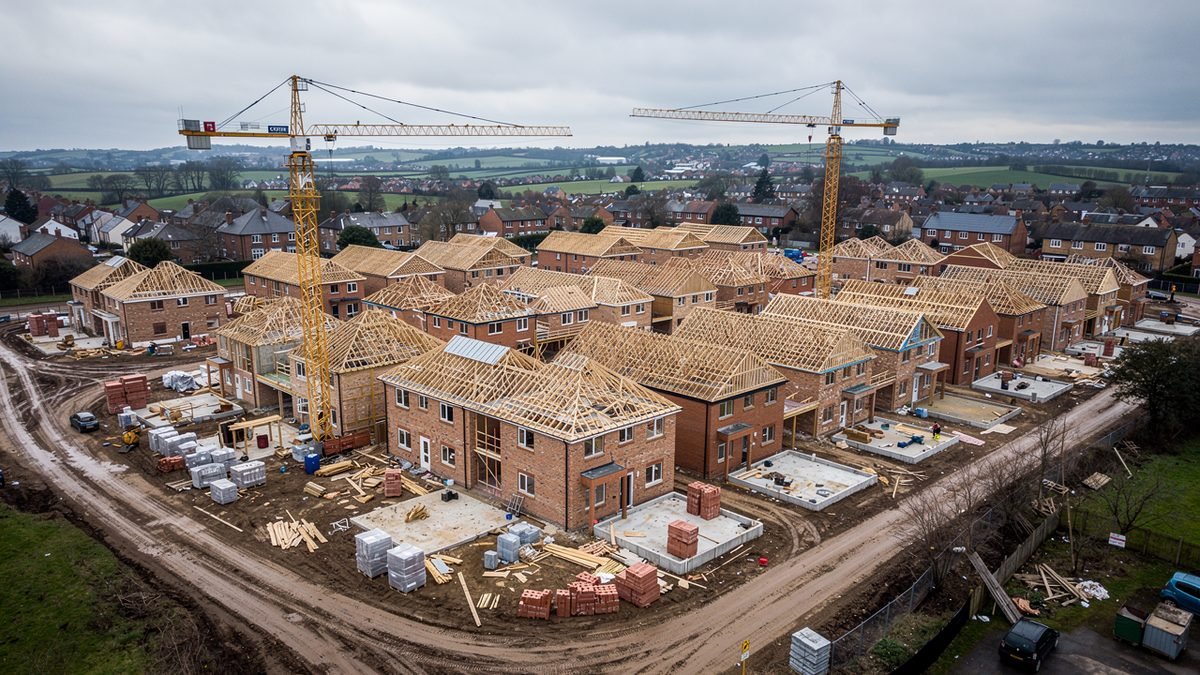
The Oxfordshire dispute shows why a policy that sounds simple nationally can become difficult locally. LBC reported that the proposed Bicester site could hold up to 1,250 adult men, a number far larger than the population of nearby Piddington. Residents have raised concerns about consultation, transport, policing and pressure on local amenities. Ministers, meanwhile, argue that former military sites can reduce hotel use and provide more contained accommodation. The central planning question is not whether wealthy areas should contribute in the abstract, but how site scale, infrastructure and community impact are assessed.
A wider spread can cost more
Cheaper housing has been one reason asylum accommodation clustered in lower-cost places. Moving more placements into higher-rent areas can therefore increase procurement costs unless the government changes the mix of properties or negotiates different contracts. Burnham’s position suggests that ministers may be prepared to accept some extra cost in return for a more even geographical burden. That trade-off will be scrutinised alongside the government’s separate pledge to close asylum hotels and improve decision-making times, because every month a claim remains unresolved adds accommodation expense.
Local consent will remain politically sensitive
No national dispersal formula can remove the local politics of a large accommodation site. Councils want notice, funding and information about who is arriving and what services may be needed. Residents want assurances on security and infrastructure. Refugee groups argue that accommodation must also meet basic standards and avoid isolating people. A credible redistribution policy therefore needs transparent capacity criteria rather than a simple rich-versus-poor label. It must explain what counts as a fair contribution and how central government will support councils asked to take more people.
What happens next
The next test will be whether the Home Office publishes a clearer dispersal framework and updated local-authority data, and whether the Bicester proposal changes after consultation. Burnham’s principle is now clear; the unresolved part is the mechanism. Any new contracts, rent rules or site decisions will show whether the government is genuinely rebalancing placements or simply adding new locations to an already stretched system.
Sources & verification
- IBTimes UK — primary reporting and official updates
- Reporting reviewed on 23 August 2026; figures as published at that time
Filed under Politics · Written by Eleanor Whitfield