Parents back tougher screen rules as children embrace AI, polling shows
New government polling reveals strong public support for limits on young children's screen time and a possible social media ban for under-16s, even as surveys find a majority of children already using AI every day.
Eleanor Whitfield
Writer ·
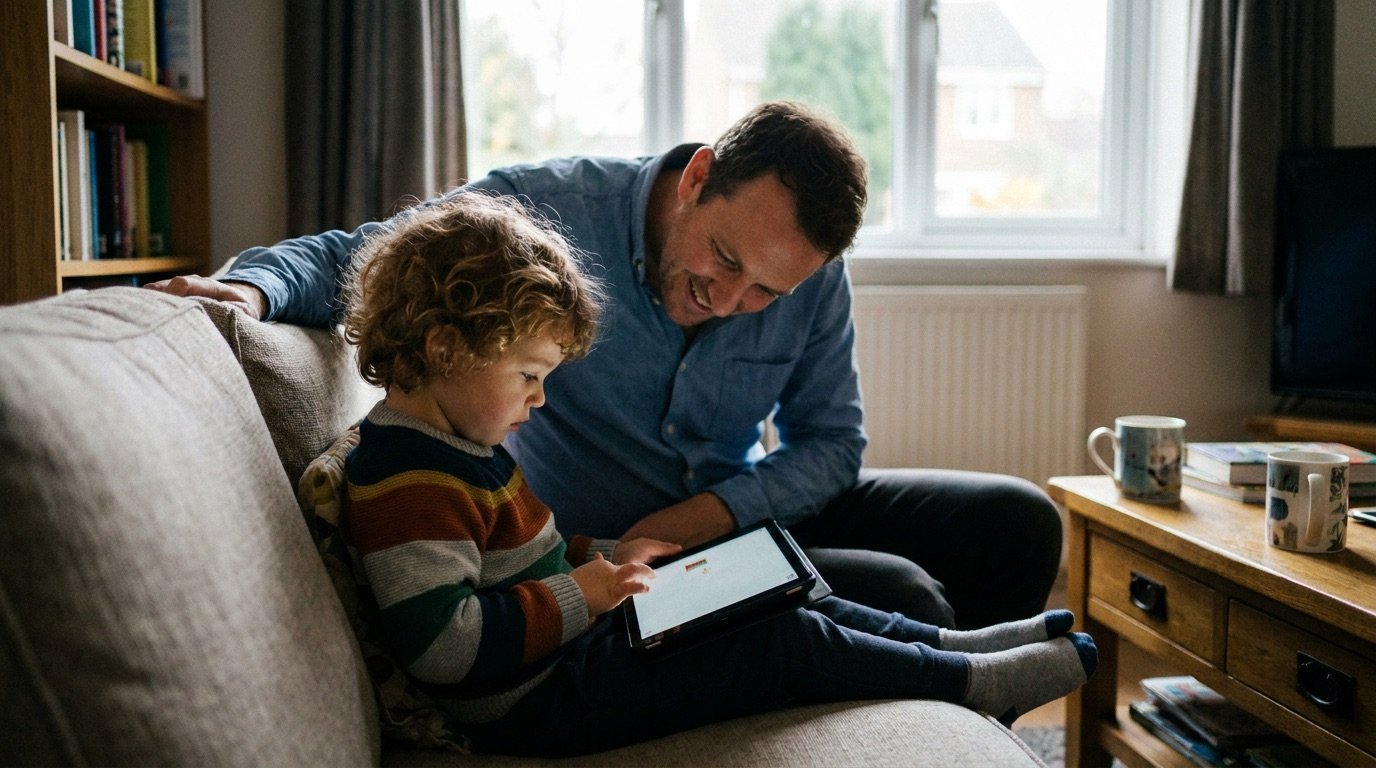
Most parents support government efforts to rein in young children's screen time, and a large majority back the idea of keeping under-16s off some social media platforms, according to new polling published in June 2026.
The figures land at a moment of growing public unease about how childhood is being reshaped by smartphones, social media and, increasingly, artificial intelligence. At the same time, surveys show children themselves are adopting AI tools at speed, often viewing them as a normal part of daily life.
The result is a picture of a society trying to set boundaries around technologies that are evolving faster than the norms meant to contain them.
What the polling found
On screen use, 86 per cent of those polled said they supported the government's guidance for under-fives, and 82 per cent said it was already helping families build healthier habits for young children.
On social media, the appetite for restrictions was striking. Following a national consultation that ran from March to May 2026, around nine in ten parents backed a social media ban for under-16s, while two-thirds of young people themselves agreed that under-16s should not be allowed to use at least some platforms.
The strength of support among young people, often assumed to resist such limits, surprised some observers and may strengthen the government's hand as it weighs further action.
Children are already living with AI
Even as the debate over screens and social media continues, AI has quietly become part of many children's routines. Polling by Nominet in 2026 found that 58 per cent of young people aged 8 to 17 said AI makes their lives better, and almost half, 48 per cent, said it was an important part of their everyday life.
“The question is no longer whether children will use AI, but how we make sure the tools they rely on are safe and genuinely good for them.”
That reality has prompted the government to act on the supply side as well as the demand side, shaping what good AI products for children should look like rather than simply trying to limit exposure.
- 86 per cent support government screen-use guidance for under-fives
- 82 per cent say the guidance is already helping families
- Around 9 in 10 parents back a social media ban for under-16s
- 58 per cent of 8 to 17-year-olds say AI makes their lives better
- 48 per cent say AI is an important part of everyday life
Designing AI with children in mind
The government is developing a framework setting out what good AI and technology products look like in practice, and is working with teachers and technology firms to co-design AI tools. One initiative aims to give up to 450,000 disadvantaged pupils access to AI-powered tutoring support, with several companies working alongside partner schools to build safe and effective products.
In a bid to give young people a direct voice, the government, working with the Children's Commissioner, is also recruiting for a new AI Youth Advisory Board, intended to feed children's own perspectives into decisions about emerging technology.
Background
The polling sits alongside a broader programme of online safety work, including the Online Safety Act and recent moves to bring AI chatbots more firmly within its scope. Ofcom research has separately charted how children are getting smartphones younger and increasingly using AI, while consuming rather than creating online content. Together, these strands reflect a government trying to balance the benefits of technology against well-documented risks to wellbeing.
Critics caution that blanket limits could leave some children less prepared for an AI-driven economy, underlining how contested the right balance remains.
What happens next
Ministers are expected to weigh the consultation findings as they decide whether to legislate on social media access for under-16s and how far to push the screen-time guidance. The recruitment of the AI Youth Advisory Board and the rollout of school AI tools will be early tests of whether the government can move from setting expectations to shaping the products children actually use.
Sources: reporting by GOV.UK.
The NE Times is an independent news and analysis publisher. Our articles combine factual reporting with clearly-written, impartial analysis. Content is for general information and does not constitute professional advice. Disclaimer.
You may also like to read
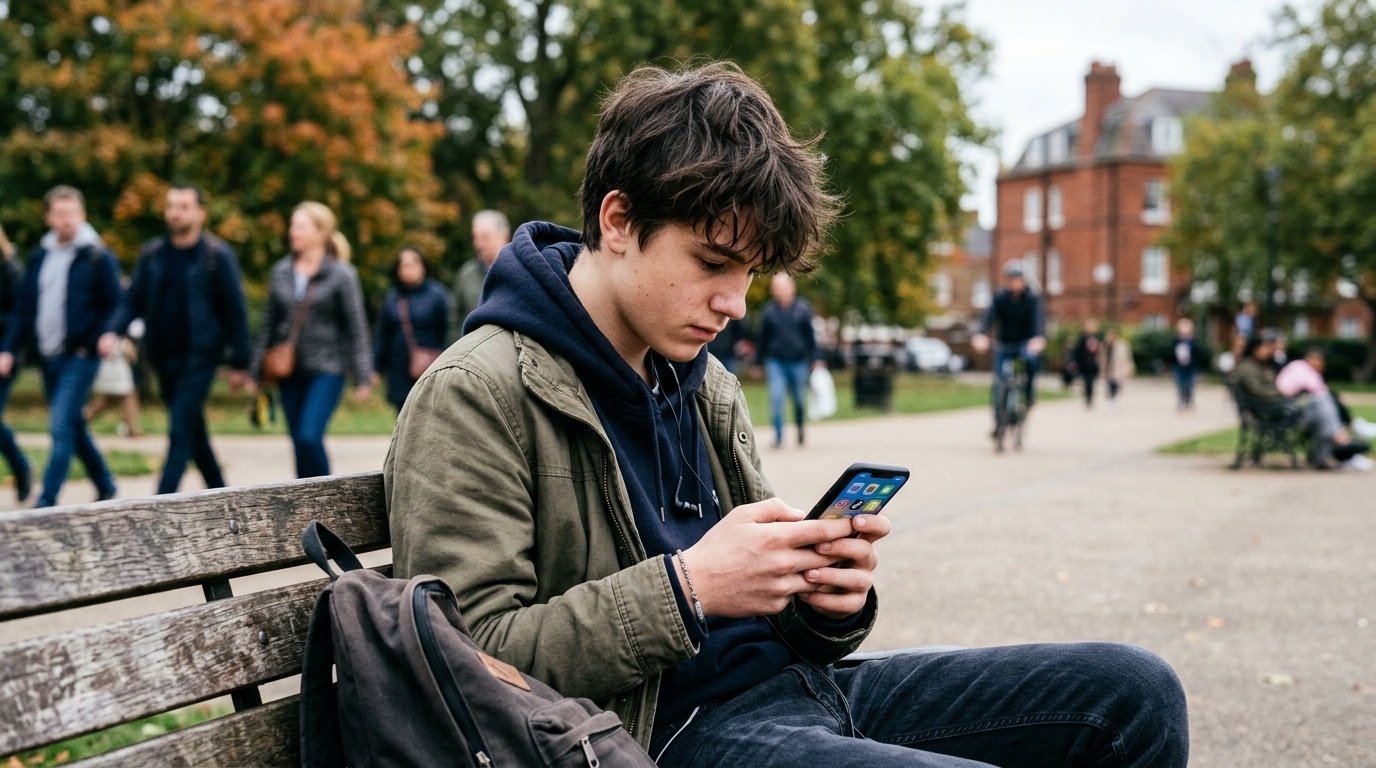
Government unveils sweeping ban on social media for under-16s
Snapchat, TikTok, Instagram and X will be off-limits to children under 16 under plans the prime minister says will give young people their childhood back.
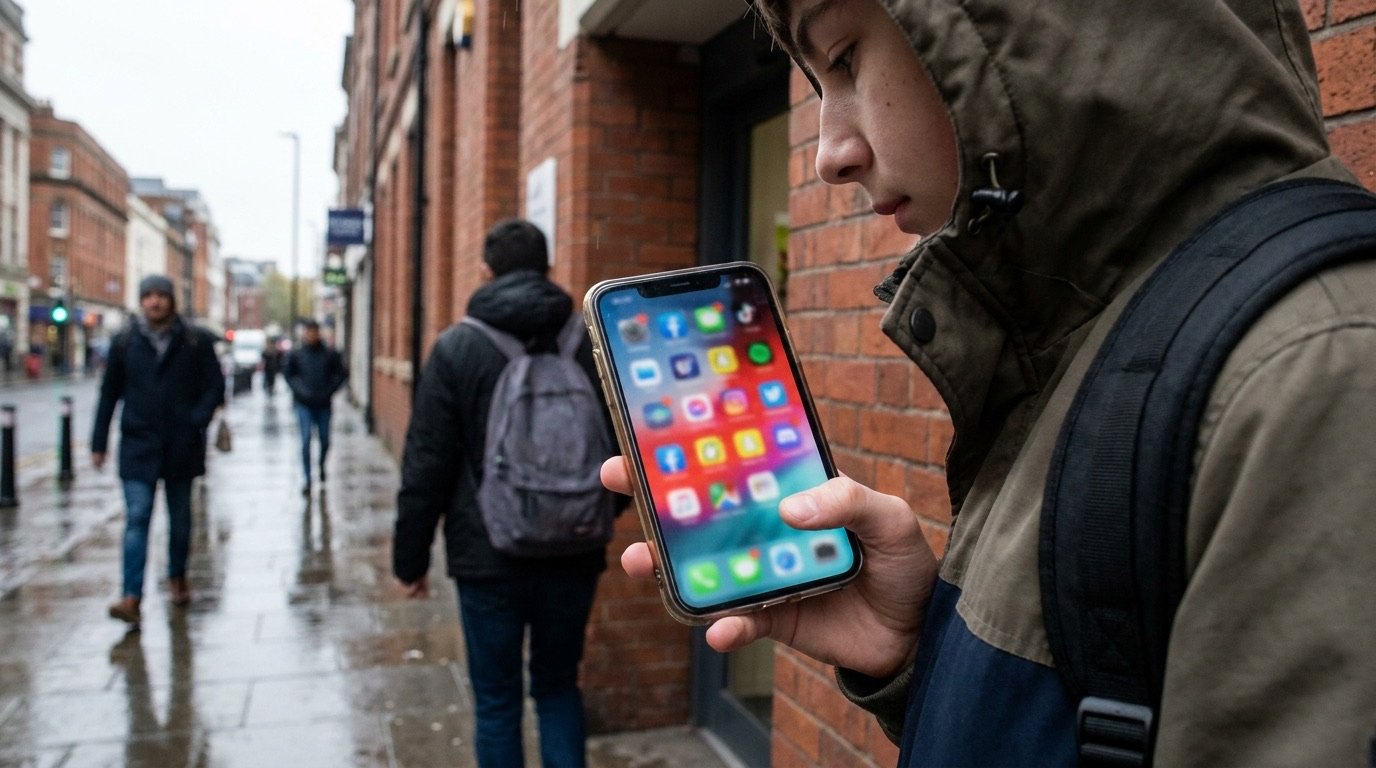
Opinion: A social media ban for under-16s is the easy part. Enforcing it honestly is the test
Banning under-16s from TikTok, Instagram and YouTube answers a real public anxiety, but a law the government cannot enforce risks becoming a comforting fiction that lets the platforms off the hook.

Opinion: A ban on social media for under-16s sounds decisive. The hard part comes after the announcement
The government is edging towards age restrictions on social media while resisting an outright phone ban. The instinct is right, but the enforcement is where this will be won or lost.
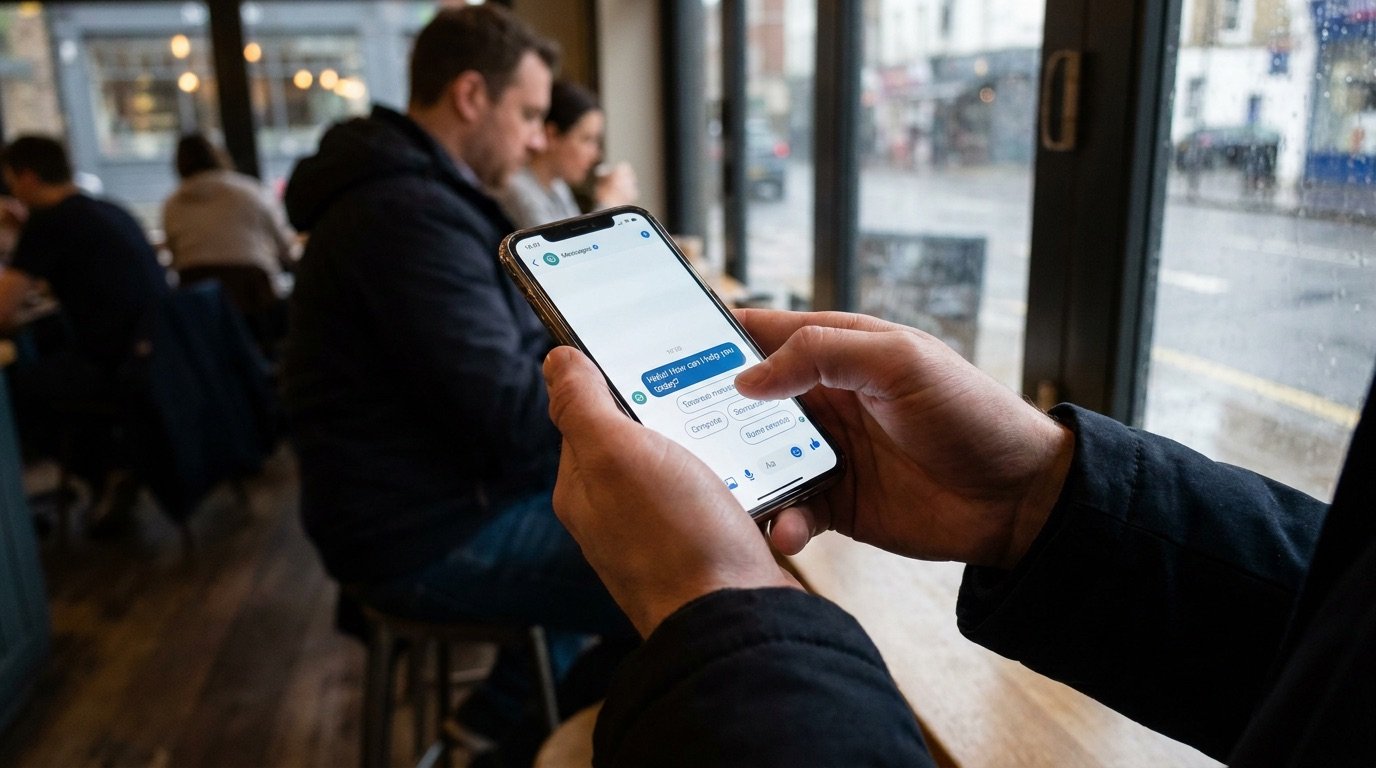
Ministers move to close the AI chatbot loophole in online safety law
The government is fast-tracking reforms to bring standalone AI chatbots within the scope of online safety rules, after an Ofcom investigation exposed a gap that left some tools outside the law entirely.