Nine councils stripped of planning powers over major developments
Housing minister Matthew Pennycook has placed nine local authorities in planning 'special measures', allowing developers to bypass them and apply directly to the Planning Inspectorate for large schemes.
UK News & Politics Editor ·
Why it's trending
Nine underperforming councils have been put in planning special measures — developers can now bypass them entirely.
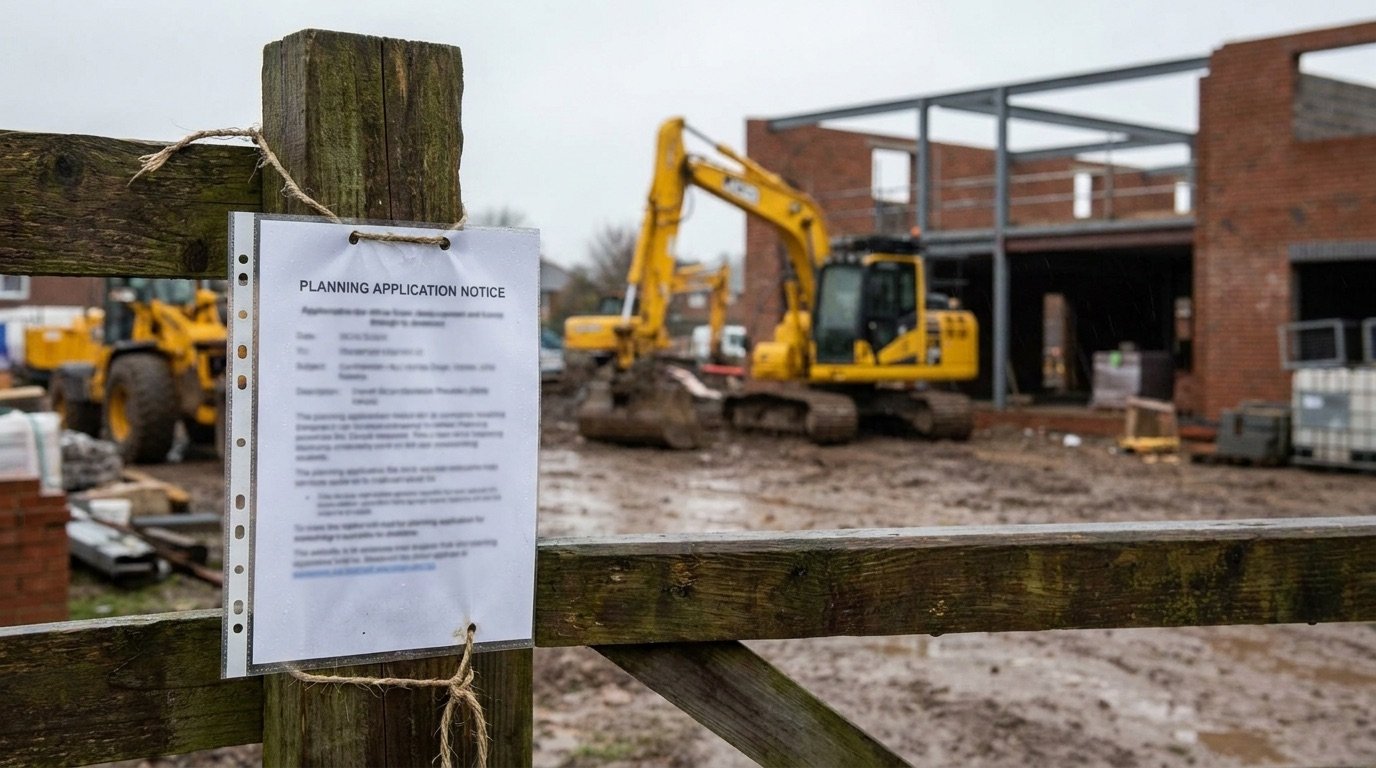
Nine local authorities have been stripped of their gatekeeper role over major planning applications. Housing minister Matthew Pennycook has designated the councils under section 62A of the Town and Country Planning Act 1990 — planning 'special measures' — meaning developers proposing large schemes in those areas can bypass the council altogether and apply directly to the Planning Inspectorate.
The designations, reported by Local Government Lawyer, cover the heavyweight end of the pipeline: schemes of 10 or more homes on sites over half a hectare, buildings over 1,000 square metres, and other development on sites larger than a hectare. They remain in force until the government is satisfied each council's performance has recovered.
At a glance
- Nine councils designated under section 62A of the Town and Country Planning Act 1990
- Applies to major schemes of 10 or more homes on sites over 0.5 hectares
- Also covers buildings over 1,000 square metres and other developments over one hectare
- Developers can apply directly to the Planning Inspectorate
- Designations remain until the government is satisfied performance has improved
How special measures work
Section 62A is the planning system's relegation mechanism. Councils are assessed on the speed and quality of their major-application decisions — the share decided on time, and the share overturned at appeal. Fall below the thresholds and the department can designate, opening the direct-to-Inspectorate route.
Crucially, the council is not abolished as a planning authority: it still handles householder and minor applications, and developers may still choose to apply locally. The designation simply gives applicants for major schemes an alternative referee.
The intended sting
The sanction is designed to hurt in two currencies: fees and pride. Applications that go to the Inspectorate take their planning fees with them, draining income from precisely the departments that need investment to improve. And no council relishes the public label of failing at a core statutory function.
For ministers chasing 1.5 million homes, the designations also send a system-wide signal: slow planning departments are now a national growth problem, and underperformance carries consequences beyond league tables.
Why councils underperform
The sector's answer is capacity, not indolence. Planning departments have lost a large share of experienced officers over a decade of tight budgets, and private-sector salaries strip out talent faster than councils can train it. Statutory consultees add delay councils cannot control.
That defence has force — which is why the government pairs sanctions with investment in planner recruitment and, most recently, AI casework tools. But the designation regime embodies a judgment: whatever the causes, applicants should not bear them indefinitely.
Does bypassing work?
Evidence from earlier designations is mixed. Some developers use the Inspectorate route; many stick with councils they know, valuing local negotiation over procedural speed. The threat of designation, arguably, disciplines behaviour more than the designation itself.
There is also a democratic trade-off. Decisions by the Inspectorate sit further from local voices — parish objections, ward councillors, neighbourhood plans — and communities in designated areas may find major schemes decided by an examiner they never elected.
What happens next
The nine councils will work through performance-improvement plans, aiming to satisfy the department that their decision speed and appeal record have recovered — the only exit from designation.
Developers with stalled major schemes in those areas now hold a live option on the Inspectorate route, and their choices over the coming year will show whether bypass is a used road or a deterrent. Either way, the message to every other planning authority is unambiguous.
Sources & verification
- Local Government Lawyer — primary reporting referenced by this article
Filed under UK News · Written by Eleanor Whitfield
You may also like to read