King's Birthday Honours 2026: knighthoods for Idris Elba and Kevin Sinfield as nearly 1,200 are recognised
Sporting heroes, authors, animators and Lionesses feature among close to 1,200 people honoured in a list that celebrates public service across the United Kingdom.
Eleanor Whitfield
Writer ·
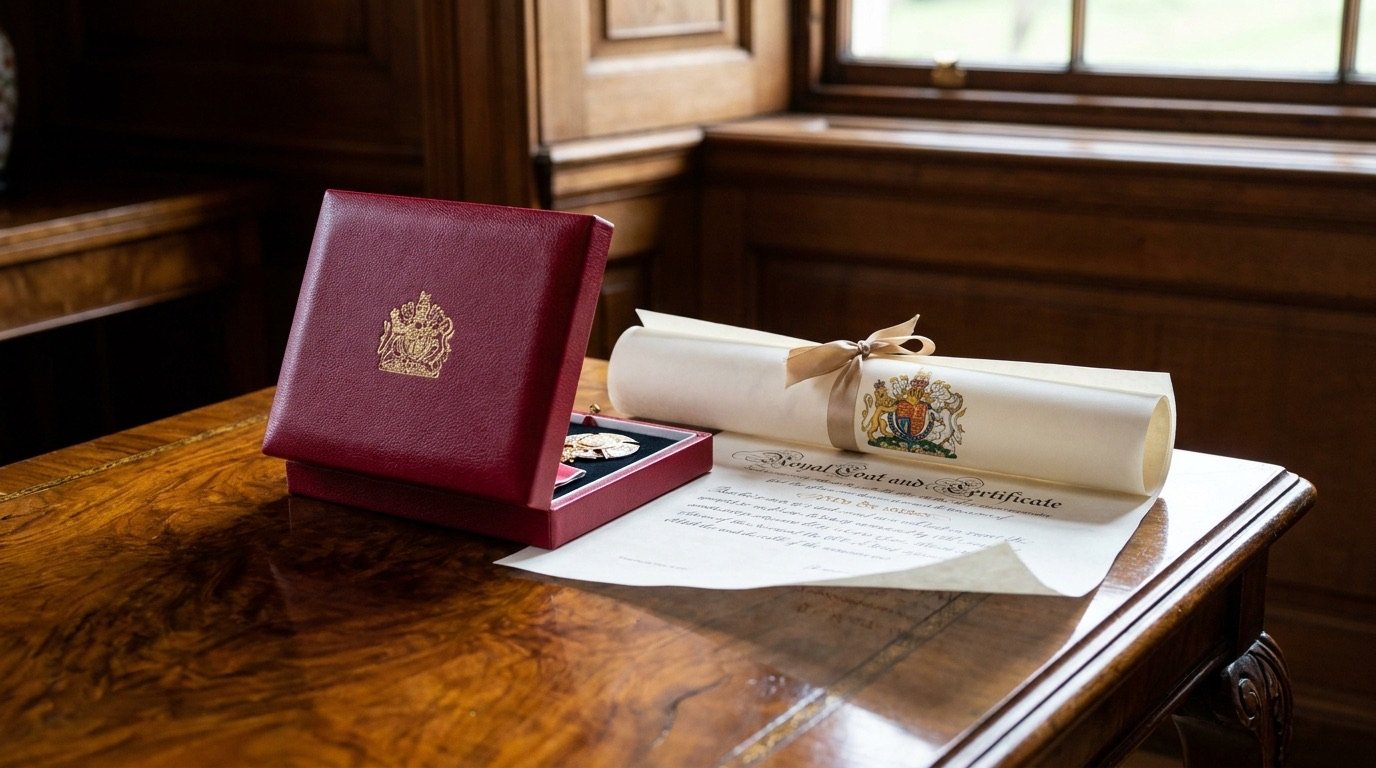
Close to 1,200 people across the United Kingdom have been recognised in the 2026 King's Birthday Honours, the twice-yearly list that rewards contributions to public life ranging from elite sport and the arts to quiet, decades-long service in local communities. Published to coincide with the monarch's official birthday, the list spans every nation and region of the country.
As ever, a handful of well-known names dominate the headlines, but the great majority of recipients are people whose work rarely attracts national attention: volunteers, carers, fundraisers and public servants nominated by those who know their efforts at first hand.
The honours system remains one of the most visible ways in which the state, in the name of the Sovereign, expresses public gratitude. This year's list once again blends celebrity recognition with grassroots service.
Knighthoods for sport and the screen
Among the most prominent recipients, the actor Idris Elba was knighted in recognition of his charitable work with young people, capping a career that has spanned acclaimed television, film and music alongside a sustained commitment to social causes.
The rugby league figure Kevin Sinfield received a knighthood for his distinguished sporting career and his tireless fundraising for motor neurone disease research, work undertaken in support of his former team-mate. The ice dancer Christopher Dean was also appointed a knight for services to sport, decades after he and Jayne Torvill captivated the nation.
The co-founders of Aardman Animations, David Sproxton and Peter Lord, both received knighthoods for their services to the creative industries and their charitable endeavours, recognising the studio's distinctive contribution to British animation.
Dames, authors and the Lionesses
The list also celebrated achievement in children's literature. The authors Julia Donaldson and Malorie Blackman were appointed dames, honouring two writers whose books have shaped the reading lives of generations of young people across the country.
Sport featured strongly once again, with members of the Lionesses recognised for their contribution to the women's game. Players including Michelle Agyemang, Jess Carter, Hannah Hampton, Lauren James, Chloe Kelly and Alessia Russo were appointed MBE.
- Sir Idris Elba — knighted for charitable work with young people
- Sir Kevin Sinfield — knighted for sport and motor neurone disease fundraising
- Sir Christopher Dean — appointed a knight for services to sport
- Sir David Sproxton and Sir Peter Lord — knighthoods for the creative industries
- Dame Julia Donaldson and Dame Malorie Blackman — appointed for services to literature
- Lionesses including Chloe Kelly and Alessia Russo — appointed MBE
Service away from the spotlight
While the famous names draw attention, officials emphasise each year that the honours system is designed to reward ordinary people for extraordinary contributions. The overwhelming majority of those recognised are nominated by members of the public for community work, charitable service and dedication in their professions.
Recognition ranges from the British Empire Medal, often awarded for hands-on community service, through the MBE and OBE, to the more senior CBE, knighthoods and damehoods. The breadth of the list is intended to reflect the full span of national life.
Successive governments have sought to broaden the social and geographical reach of the honours, with particular emphasis in recent years on ensuring that recipients are drawn from across the regions and nations of the United Kingdom and from a wide range of backgrounds. Each list is scrutinised for how far it lives up to that aim.
“The honours list exists to say thank you to people who have given so much, often over many years and with no expectation of reward.”
Background
Honours are awarded twice a year in the United Kingdom, at New Year and on the Sovereign's official birthday in June. Nominations can be made by any member of the public and are assessed by independent committees before recommendations are put to the monarch, who formally confers the awards.
Recipients are typically invited to a later investiture, where the insignia are presented in person by the King or another senior member of the Royal Family. The system has evolved over more than a century but retains its core purpose of recognising service to the nation and to the community.
“From elite athletes to lifelong volunteers, the list reflects the many ways people contribute to the life of the country.”
What happens next: those named in the list will in the coming months attend investiture ceremonies at Windsor Castle and Buckingham Palace, where they will formally receive their insignia from a member of the Royal Family.
Sources: reporting by GB News.
The NE Times is an independent news and analysis publisher. Our articles combine factual reporting with clearly-written, impartial analysis. Content is for general information and does not constitute professional advice. Disclaimer.
You may also like to read
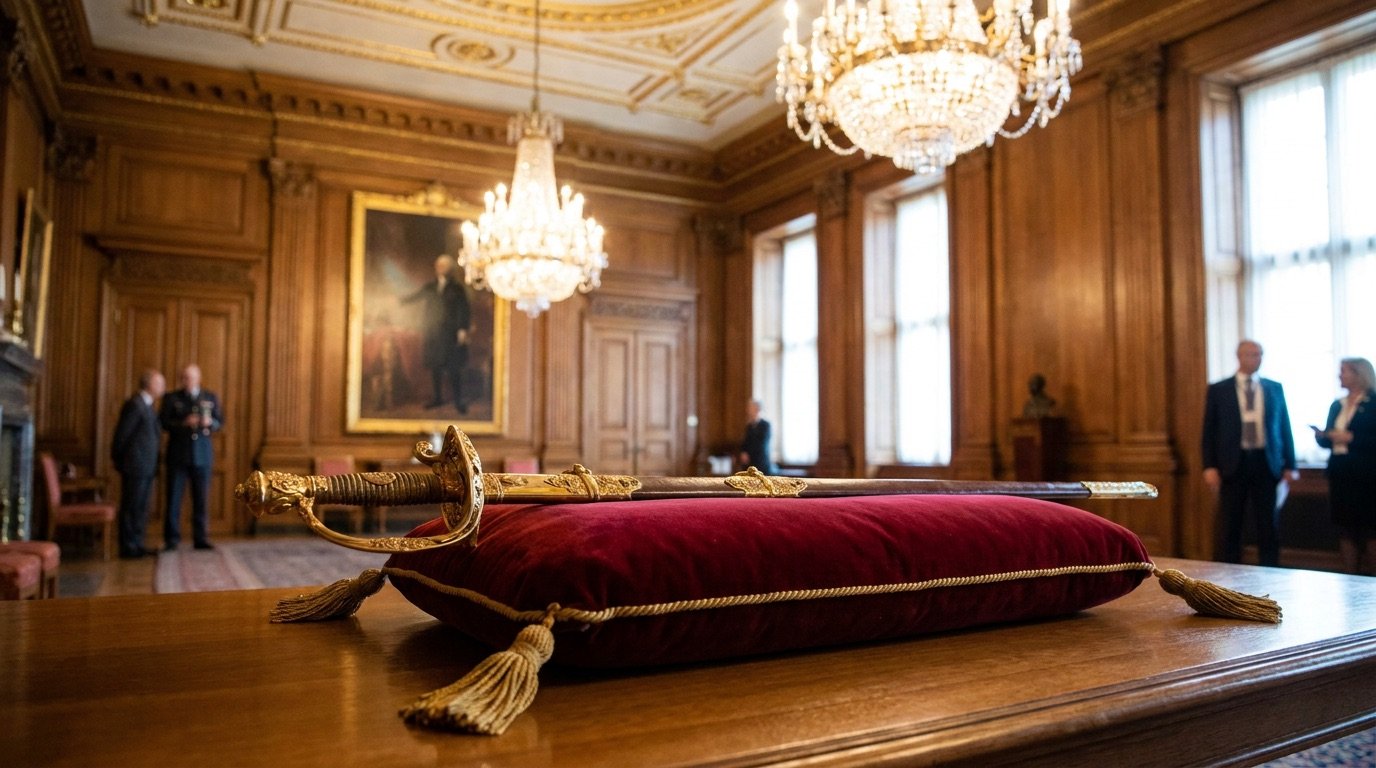
Inside the investitures: Idris Elba and Torvill and Dean receive their honours at Windsor
Behind the headlines of the honours list lies the investiture, the formal ceremony at which recipients are presented with their insignia in person by a senior member of the Royal Family.
Commonwealth Short Story Prize clears winners of AI claims
Organisers say a review found AI was not used to write the winning entries, allowing regional winners to proceed after weeks of controversy.
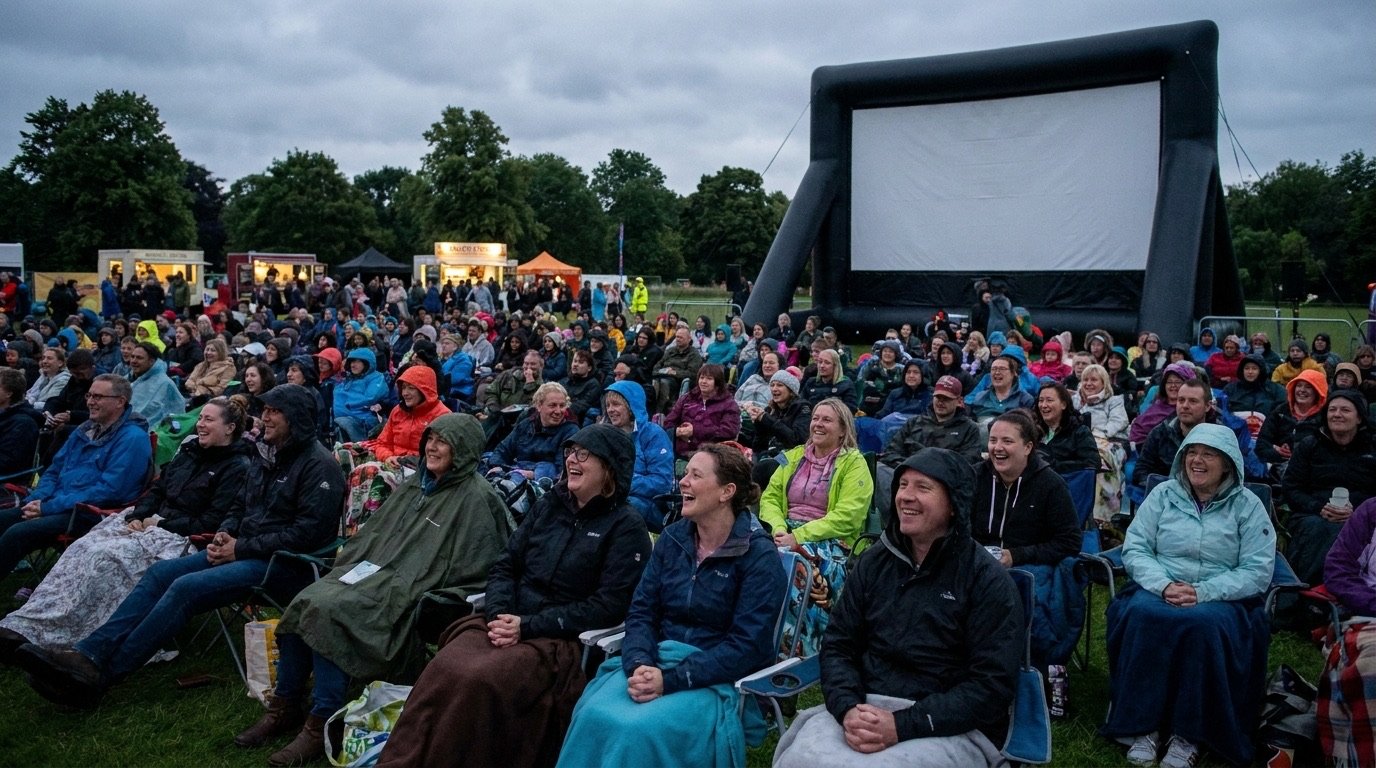
Tribeca 2026 crowns Cotton Fever and Jail Time Records as festival marks 25th edition
New York's Tribeca Festival handed its top narrative prize to addiction drama Cotton Fever and its documentary award to Cameroonian music film Jail Time Records.

Karlovy Vary to honour Maggie Gyllenhaal and Jesse Eisenberg at 60th edition
The Czech festival will hand its President's Award to the two American actor-directors, with Gyllenhaal premiering her film The Bride! as the event marks a milestone year.