NHS launches MMR catch-up drive as new MMRV vaccine rolls out
A national catch-up campaign running from June targets young children who have missed measles vaccinations, as a new combined MMRV jab protecting against chickenpox is introduced into the routine schedule.
Eleanor Whitfield
Writer ·

The NHS has launched a national catch-up campaign to boost childhood vaccination rates, focusing on young children who have missed out on protection against measles, mumps and rubella. Running from June through to March, the drive will see GP practices actively contact families whose children are missing one or both doses of the vaccine.
The campaign coincides with the introduction of a new combined vaccine, MMRV, into the routine childhood immunisation schedule. Brought in from the start of the year, MMRV protects against four diseases at once, adding chickenpox, known medically as varicella, to the existing protection against measles, mumps and rubella.
Health officials have repeatedly warned about falling vaccination rates and the risk of measles outbreaks, making efforts to reach unprotected children a public health priority.
How the catch-up works
The catch-up campaign targets children aged from 12 months to under six years who are missing one or two doses of the MMR or MMRV vaccine. Practices will undertake local call and recall, actively inviting eligible children to vaccination clinics, with priority given to those who have missed both doses and are therefore least protected.
- Campaign runs from June 2026 to March 2027
- Targets children aged 12 months to under six years missing one or two doses
- Priority for those who have missed both doses
- A minimum of three invitations per child, the last involving a healthcare professional discussion
Each eligible child should receive a minimum of three invitations, with the final contact taking the form of a discussion between a practice healthcare professional and the parent or guardian, either in person or by telephone, to address any questions or concerns.
The new MMRV vaccine
From January, the schedule changed so that the first dose is offered at one year of age, with the second dose brought forward to a new 18-month appointment, earlier than the previous timing of three years and four months. The change is intended to give children fuller protection sooner and to simplify the schedule by combining the chickenpox vaccine with the established MMR jab.
“Vaccination remains the best protection we have against measles, and it is vital that every child gets both doses on time.”
— a UK Health Security Agency spokesperson
Why it matters
Measles is a highly infectious disease that can lead to serious complications, particularly in young children. Uptake of the MMR vaccine has fallen below the level needed to maintain herd immunity in some areas, leaving communities vulnerable to outbreaks. Public health experts say that two doses of the vaccine provide strong, long-lasting protection, and that closing the gap among unvaccinated children is essential to prevent the disease spreading.
The addition of chickenpox protection through the MMRV vaccine is expected to reduce cases of a disease that, while often mild, can cause serious illness in some children and disruption for families. Combining the vaccines into a single jab also means fewer injections and appointments, which health officials hope will make it easier for parents to keep their children up to date.
Outbreaks of measles in recent years have served as a reminder of how quickly the disease can spread where vaccination coverage has dipped. Even a small fall in uptake can leave enough unprotected children for the virus to circulate, which is why officials place such emphasis on reaching every eligible child.
Background
MMR vaccination has been part of the UK childhood schedule for decades and is highly effective when both doses are given. Uptake dipped following discredited claims about safety many years ago, and although confidence largely recovered, rates have slipped again in recent years amid wider challenges in reaching families. The introduction of MMRV and the catch-up campaign form part of a renewed push to protect children and prevent the return of diseases that were once close to elimination in the UK.
GP practices will work through their lists over the coming months, and health officials will monitor uptake closely. Parents and carers are being urged to respond to invitations and to check their children's vaccination status, with the aim of lifting coverage back towards safe levels before any further outbreaks take hold.
Sources: reporting by NHS England.
The NE Times is an independent news and analysis publisher. Our articles combine factual reporting with clearly-written, impartial analysis. Content is for general information and does not constitute professional advice. Disclaimer.
You may also like to read
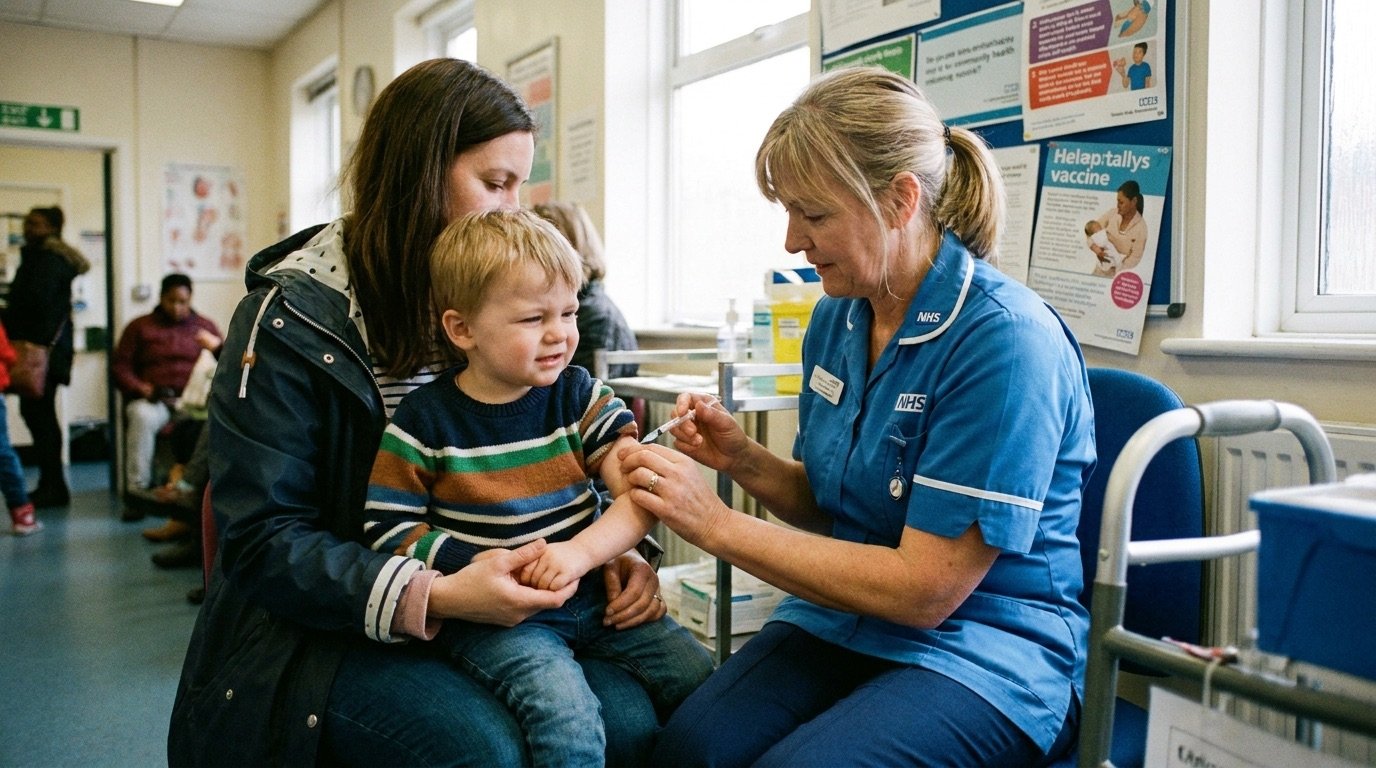
Health officials urge MMR catch-up as measles cases climb
The UK Health Security Agency has warned that falling childhood vaccination rates are leaving communities exposed, after a rise in measles cases across several regions.

NHS dental contract reforms bring complex care pathways from 23 June
The second wave of NHS dentistry reforms in England introduces new complex care pathways for patients with serious decay and gum disease, alongside changes to denture payments, as ministers try to improve access to NHS care.
Two arrested over Nottingham hospital mortuary practices ahead of maternity review
Nottinghamshire Police have arrested two men on suspicion of misconduct in a public office over mortuary practices at Nottingham University Hospitals, a separate inquiry that has compounded scrutiny of the trust.

GPs to prescribe Mounjaro weight-loss jab from late June
From 23 June, family doctors in England will be able to prescribe the weight-loss injection tirzepatide to prioritised patients, with eligibility widening and every patient required to take part in wrap-around lifestyle support.