Reeves sets out multi-year spending plans with billions for NHS and defence
The chancellor unveiled her first multi-year settlement, boosting health, defence and nuclear power, but warned that some departments would lose out.
Eleanor Whitfield
Writer ·

Rachel Reeves has set out the government's spending priorities for the rest of the parliament, delivering her first multi-year spending review with significant increases for the NHS, defence and nuclear power. The chancellor presented the settlement as a plan to rebuild public services while keeping the public finances on a sustainable footing.
Delivered on 11 June, the review fixes departmental budgets across several years rather than the usual single year, giving ministers greater certainty to plan investment. But Ms Reeves was candid that the additional money was not spread evenly, acknowledging that some departments would face real-terms squeezes as resources were directed to the government's chosen priorities.
The chancellor framed the choices as a test of the government's seriousness about delivery, arguing that years of underinvestment had left key services under strain and that the settlement marked a turning point.
“I will not pretend that every department has got everything it wanted. These are the choices of a government that is determined to invest in the country's future.”
Where the money is going
Health was the biggest winner, with day-to-day NHS spending set to rise by £29bn, equivalent to a 3 per cent annual increase through to the next election. Defence spending is to climb from 2.3 per cent to 2.6 per cent of GDP by 2027, an uplift of around £11bn that includes £600m for the security and intelligence services.
Energy and infrastructure featured prominently, with £14.2bn allocated to the Sizewell C nuclear plant as part of a broader £30bn investment in nuclear power. The schools budget is to grow by £2bn, while justice receives £7bn to fund 14,000 new prison places and up to £700m a year to reform the probation system.
Investment and the longer view
Capital spending was a recurring theme, with overall annual departmental capital budgets between 2026-27 and 2029-30 set to be around 20 per cent higher in real terms than in 2024-25. The chancellor also pointed to a record research and development budget, due to reach £22bn by the end of the parliament, with £2bn earmarked specifically for artificial intelligence.
Economists welcomed the certainty that multi-year settlements provide but cautioned that the generous increases for protected areas implied tight or falling budgets elsewhere. Independent analysts said the figures depended heavily on optimistic assumptions about growth and on the government's ability to hold the line on its fiscal rules.
Local government leaders and unions gave the review a guarded reception, welcoming the headline investment but warning that the squeeze on unprotected departments could fall hardest on councils and frontline services already stretched thin. The chancellor argued that prioritisation was unavoidable and that the alternative was an unfunded splurge that would unsettle the markets and undermine the recovery.
- Day-to-day NHS spending to rise by £29bn, a 3 per cent annual increase.
- Defence budget to reach 2.6 per cent of GDP by 2027, with an £11bn uplift.
- £14.2bn for Sizewell C within a £30bn nuclear investment package.
- £7bn for justice to fund 14,000 new prison places.
- R&D spending to hit a record £22bn, including £2bn for artificial intelligence.
Background
The review follows the government's earlier spending settlement and a spring forecast that underlined the constraints on the public finances. The Treasury has repeatedly stressed its commitment to its fiscal rules, which require day-to-day spending to be funded by tax receipts and debt to be falling as a share of the economy by the end of the forecast period.
The political backdrop is unforgiving. With the government under intense internal pressure and trailing in many polls, ministers are hoping the settlement allows them to regain the initiative by demonstrating tangible improvements in services that voters use every day.
What happens next
Departments will now translate the headline figures into detailed plans, and attention will turn to whether the promised investment delivers visible results before the next election. The opposition parties have already questioned whether the sums add up, and the chancellor faces the challenge of holding her course should the economic outlook deteriorate over the coming months.
Sources: reporting by BBC News.
The NE Times is an independent news and analysis publisher. Our articles combine factual reporting with clearly-written, impartial analysis. Content is for general information and does not constitute professional advice. Disclaimer.
You may also like to read

Reeves pours billions into NHS, defence and nuclear in make-or-break spending review
The Chancellor set departmental budgets for the rest of the decade, prioritising health and security while conceding that some areas would feel the squeeze.

NHS dental contract reforms bring complex care pathways from 23 June
The second wave of NHS dentistry reforms in England introduces new complex care pathways for patients with serious decay and gum disease, alongside changes to denture payments, as ministers try to improve access to NHS care.
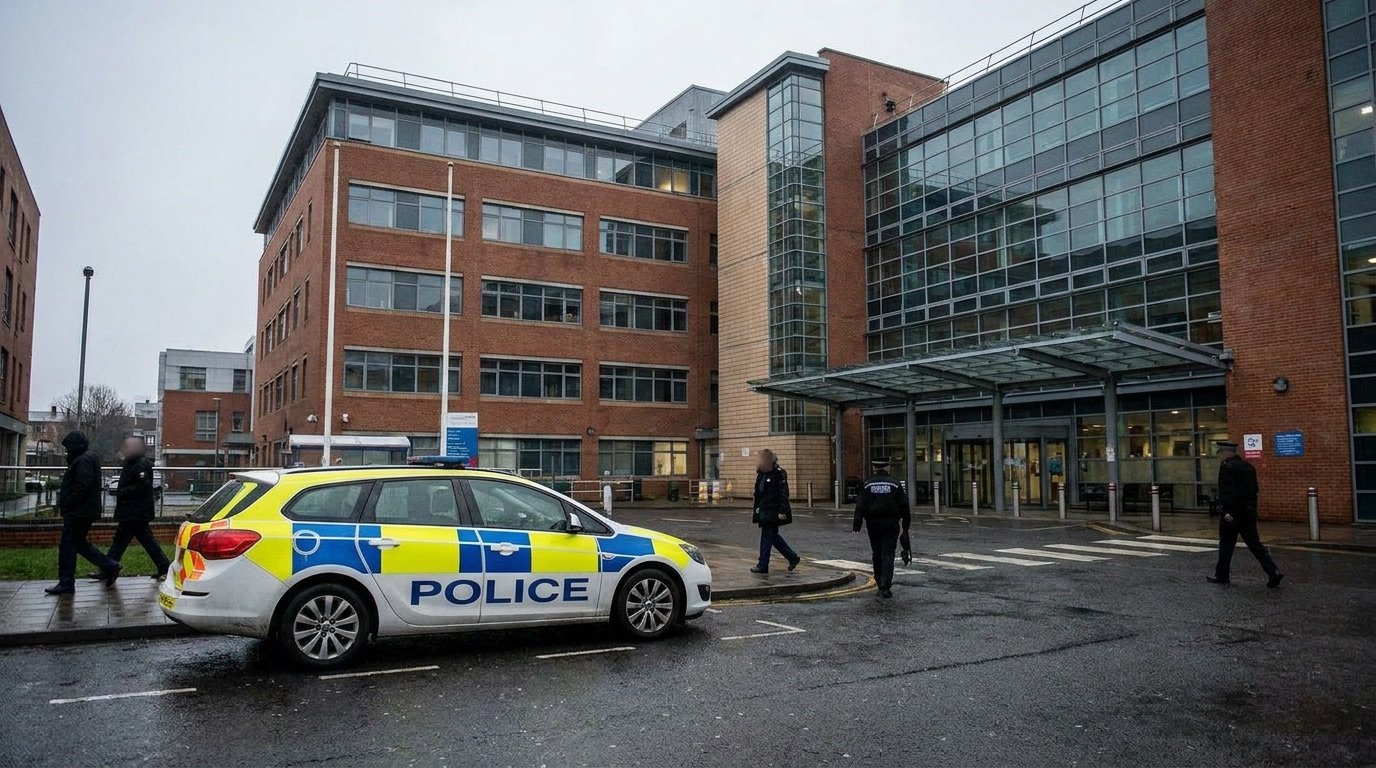
Two arrested over Nottingham hospital mortuary practices ahead of maternity review
Nottinghamshire Police have arrested two men on suspicion of misconduct in a public office over mortuary practices at Nottingham University Hospitals, a separate inquiry that has compounded scrutiny of the trust.

GPs to prescribe Mounjaro weight-loss jab from late June
From 23 June, family doctors in England will be able to prescribe the weight-loss injection tirzepatide to prioritised patients, with eligibility widening and every patient required to take part in wrap-around lifestyle support.