Short jail terms scrapped for many offences as prison population hits record high
Courts are now required to suspend most sentences of 12 months or less under the Sentencing Act 2026, as ministers grapple with a prison estate operating well beyond its designed capacity.
Eleanor Whitfield
Writer ·
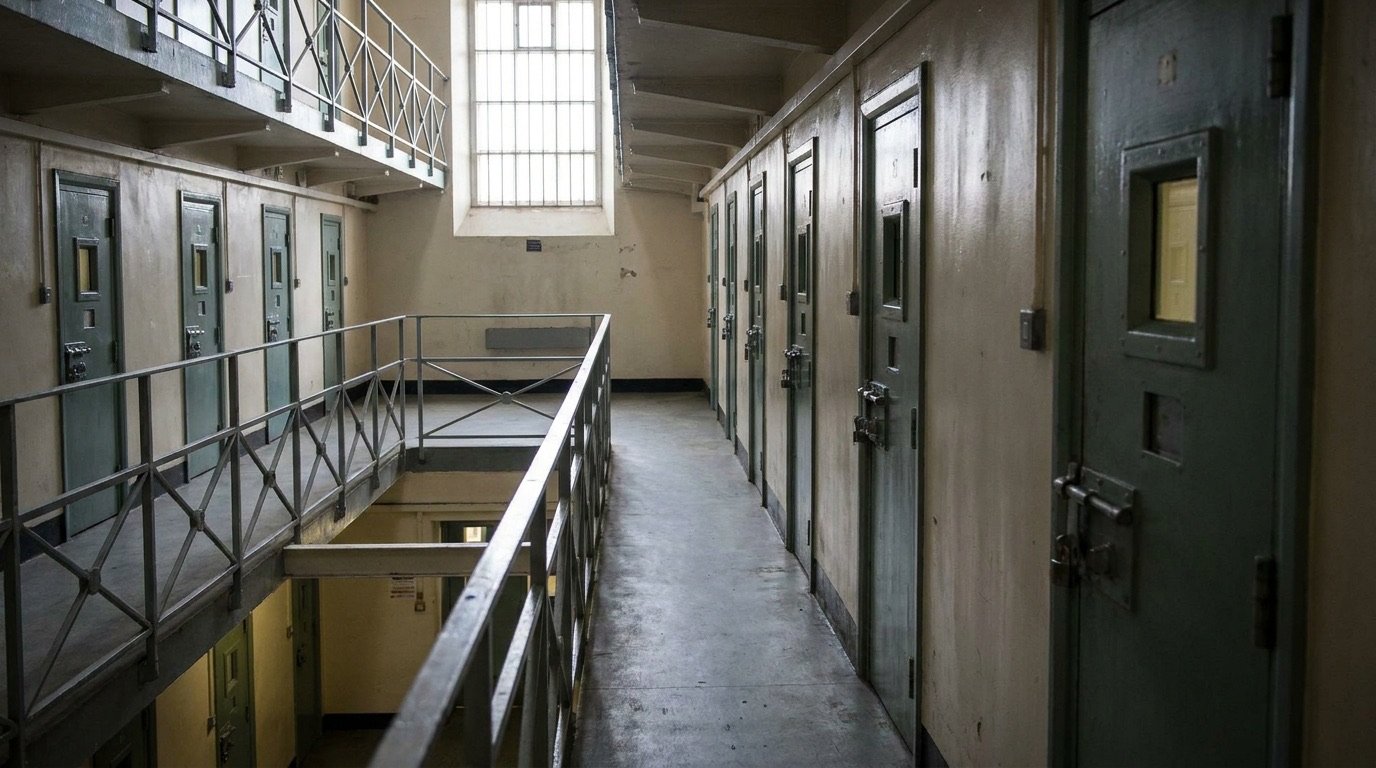
A sweeping change to how England and Wales punishes lower-level crime has taken hold, with courts now required to suspend most prison sentences of 12 months or less except in specific or exceptional circumstances, under the Sentencing Act 2026.
The shift, which followed an independent sentencing review, is intended to reserve scarce prison places for the most serious and dangerous offenders while steering others towards community-based punishments. It comes amid a capacity crisis that officials have warned could otherwise have brought the justice system to a standstill.
Supporters argue the move will reduce reoffending and ease pressure on overcrowded jails. Critics worry about the message it sends to victims and about whether community alternatives are properly resourced.
What the Act changes
The Sentencing Act 2026 received Royal Assent in January, with the provisions scrapping the routine use of short prison sentences coming into force on 23 March. The Act requires courts to suspend any sentence of 12 months or less unless particular conditions apply.
The review behind the legislation recommended an earned early release system for prisoners, the abolition of most short custodial sentences, and greater use of community, deferred and suspended sentences. An earned progression model is scheduled to be implemented from August.
“Without these reforms the country would have run out of usable prison places, leaving courts unable to sentence and prisons unable to operate safely.”
A system under strain
England and Wales now holds more than 87,000 prisoners, a record high and around 25 per cent above the certified normal capacity of the estate. Some establishments are reported to be operating well beyond their stated limits, creating difficult conditions for prisoners and staff alike.
Emergency measures, including an early release scheme allowing eligible prisoners to be freed after serving a reduced proportion of their fixed-term sentences, have been in place since 2024. Tens of thousands of inmates have been released early under those arrangements as the government sought to avert gridlock.
The case for and against
Reform groups have welcomed the move away from short sentences, arguing that brief spells in custody disrupt employment, housing and family ties without reducing reoffending, and that well-run community orders deliver better outcomes.
Sceptics counter that the probation service is already overstretched and that confidence in community sentences depends on them being visible, demanding and properly enforced. Victims' advocates have called for clear communication so that the public understands what the changes mean in practice.
- Courts must now suspend most sentences of 12 months or less, save for exceptional cases.
- The Sentencing Act 2026 received Royal Assent in January 2026.
- The short-sentence provisions came into force on 23 March 2026.
- An earned progression model is due to be implemented from August 2026.
- The prison population exceeds 87,000, around 25 per cent above certified capacity.
Background
The reforms followed years of warnings from inspectors, parliamentary committees and reform charities that the prison estate was approaching breaking point. A parliamentary committee earlier in the year cautioned that the justice system risked total gridlock, a point at which prisons are too full to function and courts cannot pass custodial sentences.
The independent sentencing review framed the changes as a structural fix rather than a temporary patch, arguing that the country could not build its way out of the crisis quickly enough and needed to reduce demand on custody itself.
What happens next
Attention now turns to implementation, including the rollout of the earned progression model and investment in probation and community provision. The government will be judged on whether the reforms ease the capacity crisis without undermining public confidence, and ministers face continued scrutiny over conditions across the estate.
Sources: reporting by Prison Reform Trust.
The NE Times is an independent news and analysis publisher. Our articles combine factual reporting with clearly-written, impartial analysis. Content is for general information and does not constitute professional advice. Disclaimer.
You may also like to read

Two men jailed at Old Bailey in landmark China spying case targeting Hong Kong dissidents
Chi Leung Wai and Chung Biu Yuen were sentenced to 10 and eight years respectively after a jury found they conducted surveillance on pro-democracy campaigners in Britain for a foreign intelligence service.

School Phone Ban Gains Legal Teeth as Statutory Duty Comes Into Force
From 29 June, state schools in England must have regard to government guidance making them mobile-free by default, with Ofsted set to check policies at every inspection in a move ministers say will protect learning and wellbeing.

Half a Million More Children to Get Free School Meals From September
Every pupil in a household on Universal Credit will become entitled to a free school lunch from the new academic year, in the biggest expansion of the scheme in years, as councils urge families to reapply before the changes take effect.
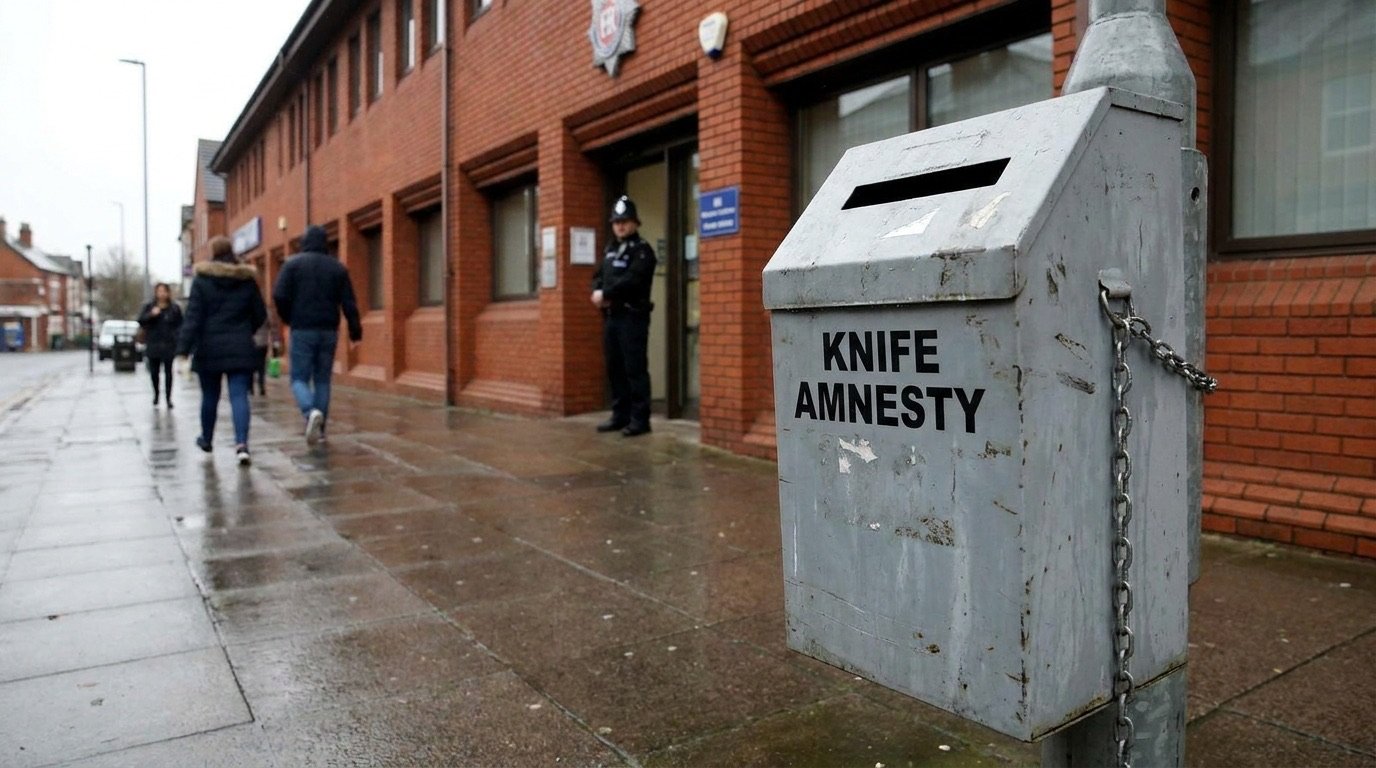
New knife offence targets those who arm themselves intending violence
The Crime and Policing Act 2026 creates an offence of carrying a blade with intent to use unlawful violence, carrying up to seven years in prison, as ministers seek to halve knife crime.