Government unveils sweeping ban on social media for under-16s
Snapchat, TikTok, Instagram and X will be off-limits to children under 16 under plans the prime minister says will give young people their childhood back.
Eleanor Whitfield
Writer ·
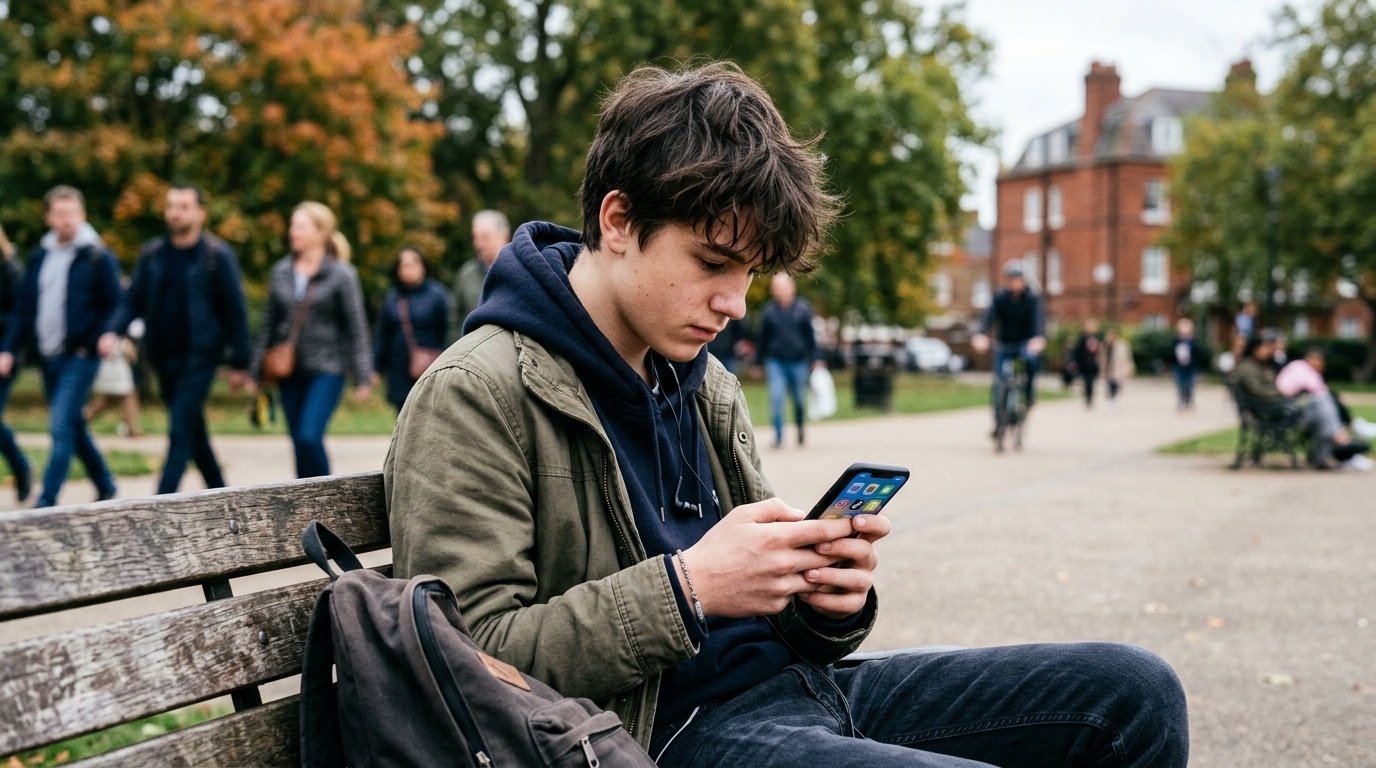
The government has announced one of the most far-reaching online safety measures of any major economy, with plans to bar children under the age of 16 from a swathe of social media platforms. Sir Keir Starmer set out the proposals on Monday, framing them as a moral mission to protect young people from harmful content and the pressures of life online.
The ban is expected to apply to platforms including Snapchat, TikTok, YouTube, Instagram, Facebook and X. Crucially, it will not cover YouTube Kids or private messaging services such as WhatsApp and Signal, a distinction intended to preserve children's ability to communicate with family and friends while removing them from open social feeds.
The prime minister cast the announcement in personal terms, speaking as a parent as well as a head of government, and argued that the case for action had become impossible to ignore.
“Social media is making our children unhappy and unsafe, and as a parent, as much as a Prime Minister, I just can't let that go on anymore.”
What the rules would cover
Beyond the headline ban, the government has signalled a series of additional protections. Officials say they intend to block livestreaming and communication with strangers for users under 16, with similar safeguards switched on by default for 16 and 17-year-olds. Ministers are also looking at overnight curfews on access and measures to curb the infinite scrolling that critics blame for compulsive use.
Enforcement would rely on age-verification checks, requiring platforms to take robust steps to confirm that under-16s are not slipping through. The detail of how that verification will work in practice, and how the burden falls on the technology companies, is expected to be a central battleground as the policy is developed.
A growing global movement
The announcement places Britain among a small but growing group of countries tightening online protections for children, following high-profile moves elsewhere to restrict young people's access to social media. Supporters argue that a coordinated international shift makes it harder for platforms to resist and easier to build consensus around tougher standards.
Campaigners who have long pressed for stronger safeguards welcomed the scope of the plans, while some technology and civil liberties groups questioned whether a blanket ban is workable and warned of the risks of intrusive age checks. The companies affected have so far responded cautiously, stressing their existing investments in youth safety.
Education leaders and children's charities added their voices to the debate, with some warning that a ban could simply push children towards less-regulated corners of the internet, and others arguing that decisive action was long overdue. The government has indicated it will work with schools, parents and platforms during the rollout to limit unintended consequences and to support families adjusting to the new rules.
- The ban would apply to Snapchat, TikTok, YouTube, Instagram, Facebook and X.
- YouTube Kids and messaging apps such as WhatsApp and Signal would be exempt.
- Livestreaming and contact with strangers would be blocked for under-16s.
- Age-verification checks would be used to enforce the restrictions.
- The first regulations could take effect as early as spring 2027.
Background
The measures build on the existing online safety regime, which already requires platforms to tackle illegal content and protect children from material such as self-harm and pornography. A research briefing prepared for Parliament earlier this month set out the policy options and the practical challenges of moving from content moderation to outright age-based exclusion.
The proposals also come at a moment of acute political pressure for the prime minister, and supporters of the policy say it offers a rare area of cross-party and public agreement. Polling has consistently shown strong support among parents for tougher curbs on children's use of social media.
What happens next
The government is expected to launch a public consultation and bring forward the necessary regulations in stages, with the first set potentially taking effect as soon as spring 2027. Much will depend on the workability of age verification and on whether the platforms cooperate or resist. For now, ministers have set a clear direction of travel, even as the hardest questions about enforcement remain to be answered.
Sources: reporting by CNBC.
The NE Times is an independent news and analysis publisher. Our articles combine factual reporting with clearly-written, impartial analysis. Content is for general information and does not constitute professional advice. Disclaimer.
You may also like to read
Opinion: A social media ban for under-16s is the easy part. Enforcing it honestly is the test
Banning under-16s from TikTok, Instagram and YouTube answers a real public anxiety, but a law the government cannot enforce risks becoming a comforting fiction that lets the platforms off the hook.
Parents back tougher screen rules as children embrace AI, polling shows
New government polling reveals strong public support for limits on young children's screen time and a possible social media ban for under-16s, even as surveys find a majority of children already using AI every day.
Opinion: A ban on social media for under-16s sounds decisive. The hard part comes after the announcement
The government is edging towards age restrictions on social media while resisting an outright phone ban. The instinct is right, but the enforcement is where this will be won or lost.

Starmer prepares under-16s social media ban as tech firms given ultimatum
The Prime Minister is poised to restrict social media access for under-16s within days, warning technology companies to act on harmful content or face legislation.