One in six birds lost since 1980 as landmark report warns of devastating decline in UK nature
Conservationists say 1,500 species in Great Britain are at risk of being lost completely, with birds facing an especially high extinction threat driven by intensive farming and climate change.
Eleanor Whitfield
Writer ·
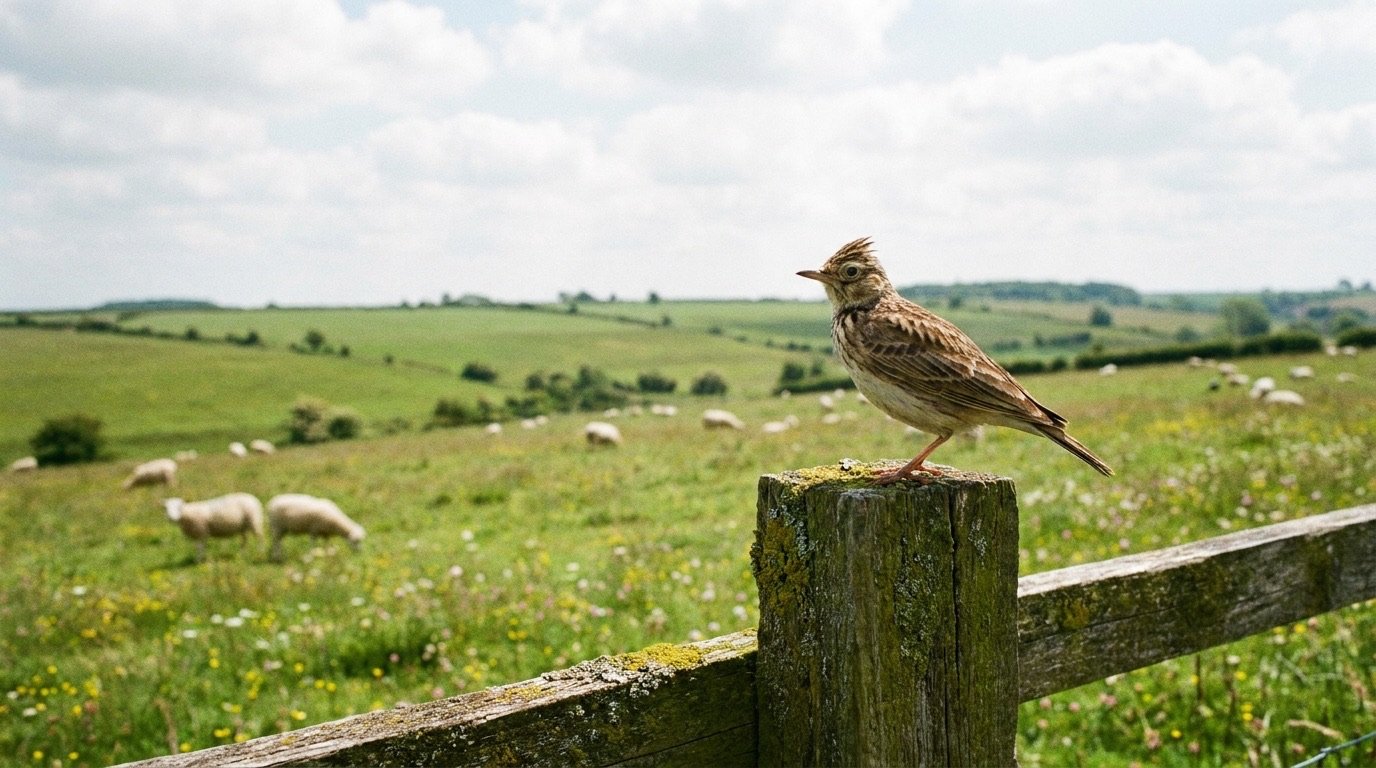
The UK's wildlife is in serious trouble, with a landmark assessment warning that much of the nation's nature continues to decline at an alarming rate. The State of Nature findings reveal that 1,500 species in Great Britain are now at risk of being lost completely, alongside a further 281 in Northern Ireland, unless decisive action is taken.
Birds emerge as among the hardest hit. The report finds that 43 per cent of bird species face a high extinction risk, compared with 16 per cent for all species assessed, and that since 1980 one out of every six birds has been lost from the UK's skies and hedgerows.
Familiar species once common across the countryside, including the song thrush, skylark, lapwing and house sparrow, have suffered serious declines, transforming the soundscape of rural Britain.
What is driving the losses
The report identifies changes in land management for farming and the growing impact of climate change as the biggest causes of wildlife decline on land, in rivers and in lakes. Intensive farming practices, particularly increased use of pesticides and fertilisers, are described as the main driver behind most bird population declines.
Habitat loss, pollution and the spread of disease compound the pressures, leaving many species without the food, shelter and breeding grounds they need to survive.
“Much of our wildlife is in serious trouble, and without urgent action many species risk being lost forever. The decline of our nature is not inevitable; it is the result of choices.”
Reasons for hope
Despite the grim headline figures, the assessment stresses that decline is not inevitable and that well-designed conservation projects can deliver remarkable recoveries. Where habitats are protected and restored, wildlife has shown it can bounce back.
One example highlighted is the marine protected area in Lyme Bay, where many species have increased since trawling was banned in 2008, demonstrating the benefits that targeted protection can bring.
- 1,500 species in Great Britain are at risk of being lost completely
- 43 per cent of bird species face a high extinction risk
- One in six birds has been lost from the UK since 1980
- Intensive farming and climate change are the leading causes
- Protected areas such as Lyme Bay show recovery is possible
Calls for urgent action
Conservation groups are urging the government to back nature recovery with stronger funding, better-targeted farming subsidies and a faster rollout of habitat restoration. They argue that supporting farmers to work with nature, rather than against it, is essential to reversing the declines.
Scientists have warned that the UK has only a narrow window of around two decades to halt the spiralling loss of biodiversity before damage becomes irreversible, making the choices taken now critical.
Background
The State of Nature report is produced by a partnership of leading wildlife and research organisations and is regarded as the most comprehensive assessment of the country's biodiversity. It draws on decades of monitoring data, much of it gathered by volunteers, to track how species are faring across the UK and its overseas territories.
The UK is among the most nature-depleted countries in the world, a legacy of centuries of intensive land use, industrialisation and habitat fragmentation that conservationists say must now be reversed.
What happens next
Campaigners will press ministers to translate biodiversity targets into concrete delivery, including through reformed farming payments and expanded protected areas. With nature high on the political agenda, the coming months are likely to bring renewed debate over how much funding and legal protection the country is prepared to commit to halting the decline.
Sources: reporting by RSPB.
The NE Times is an independent news and analysis publisher. Our articles combine factual reporting with clearly-written, impartial analysis. Content is for general information and does not constitute professional advice. Disclaimer.
You may also like to read
Government launches £30m fund to restore wildlife in England's protected landscapes
Wildflower meadows, wetlands and native woodlands are set to be created across national parks and national landscapes under a new three-year scheme delivered with farmers.
H5N1 bird flu turns Australian biosecurity into a household question
H5N1 has reached the Australian mainland, prompting warnings for pet owners even as experts stress the immediate risk to common household pets remains low.

Foxes, puffins and bumblebees in the running for new UK banknotes as public vote opens
The Bank of England has unveiled an 18-strong shortlist of native British wildlife and invited the public to help choose which species will grace the next series of £5, £10, £20 and £50 notes.

Green Man's refugee training scheme shows what a festival can do beyond the stage
The Welsh festival's decade-old programme has trained 191 refugees from 52 countries, turning a music event into practical civic infrastructure.