Welsh Labour's reckoning: interim leader Skates steers a shrunken party towards a winter contest
After Eluned Morgan became the first sitting head of a UK government to lose her own seat, Welsh Labour is regrouping with Ken Skates as interim leader and a full leadership election pencilled in for the autumn, with the winner inheriting opposition rather than office.
Eleanor Whitfield
Writer ·
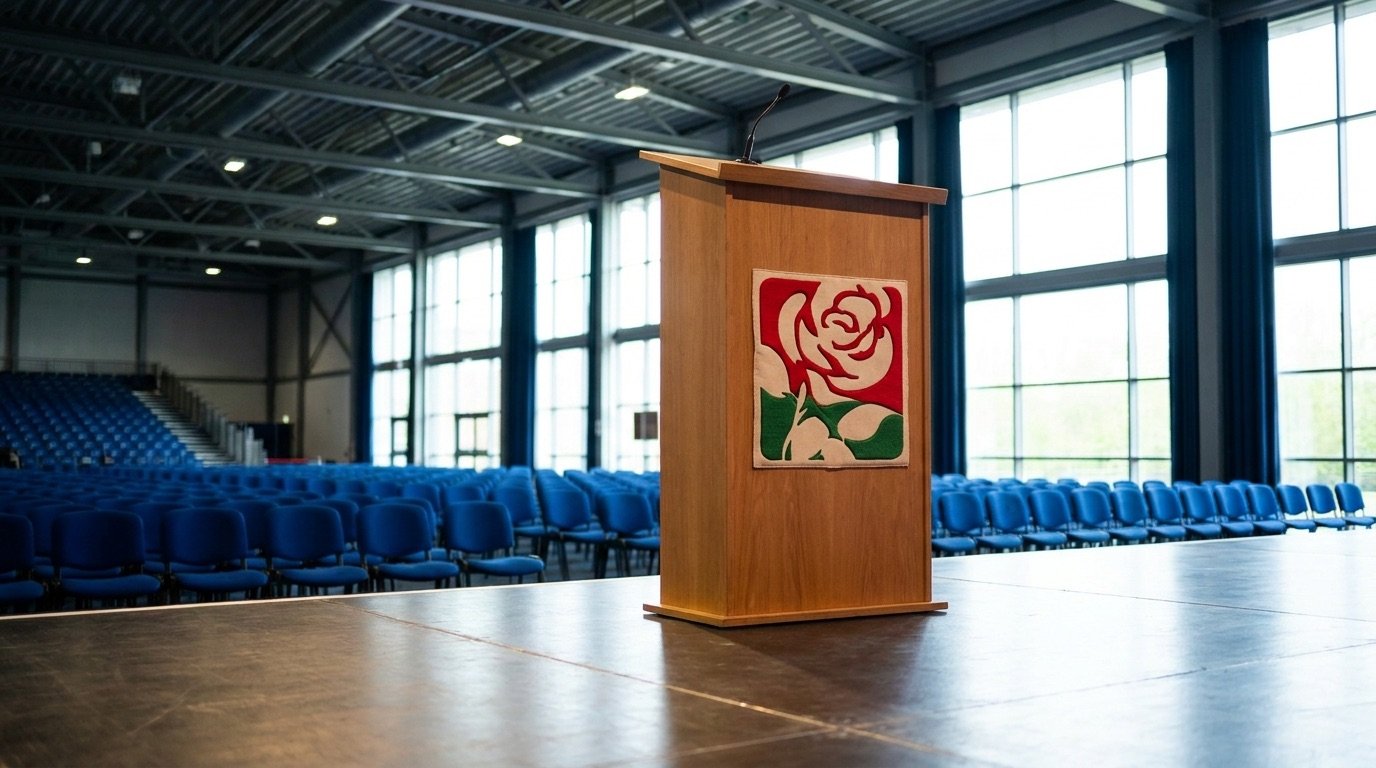
Welsh Labour is confronting the most humbling period in its devolved history. Reduced from the party of government to a rump of nine seats, it is now searching for a leader who will, for the first time since 1999, sit in opposition rather than in Cardiff's Bute House equivalent.
The trigger for the upheaval was the defeat of First Minister Eluned Morgan in Ceredigion Penfro, an outcome that made her the first head of a government in UK history to lose her own seat while still in post.
Morgan finished third in her constituency with 6,495 votes, behind Plaid Cymru on 31,943 and Reform on 23,003, a result that symbolised the wider collapse of Labour's vote across Wales.
An interim hand on the tiller
Morgan resigned as leader in the immediate aftermath, and Ken Skates was appointed interim leader on 9 May to steady the party while a successor is chosen.
Skates, one of the more experienced figures to survive the cull, faces the unenviable task of holding a demoralised group together and rebuilding an organisation that has lost much of its Senedd presence.
The full leadership election is scheduled for the autumn, with the contest expected to formalise over the coming months as potential candidates weigh whether to lead a party out of power.
A diminished field
The nomination rules require candidates to be sitting members of the Senedd, an immediate constraint given how few Labour MSs remain after the election.
Contenders must secure backing through a combination of Senedd group members, Labour MSs, constituency parties and affiliated organisations including trade unions, a high bar in a group of just nine.
The key features of the contest now taking shape:
- Eluned Morgan resigned after losing her seat, the first sitting UK government leader to do so.
- Ken Skates was appointed interim leader on 9 May 2026.
- A full leadership election is expected in the autumn of 2026.
- Candidates must be sitting Senedd members, narrowing the field sharply.
- The winner will lead Welsh Labour in opposition for the first time since devolution.
The scale of the defeat
Labour's nine seats represent a historic low, ending a winning streak in Welsh contests that, by some measures, stretched back a century. The party lost ground not only to Plaid Cymru but to Reform UK, which took second place with 34 seats.
The losses were heaviest in the south Wales valleys, long regarded as Labour's heartland, where economic grievance and disillusionment with both Cardiff and Westminster broke decades of loyalty.
“We have to be honest with ourselves about the scale of what happened and humble enough to listen to the voters who left us.”
Background
Welsh Labour had governed continuously since the Senedd's creation, sometimes alone and sometimes with smaller partners, making it the most successful devolved party in the UK until this year.
Its defeat forms part of a wider pattern across the May elections, in which established parties lost ground to both nationalist and populist challengers in Scotland and Wales alike.
What happens next: the autumn leadership contest will determine who leads the rebuild, but the deeper question for Welsh Labour is whether it can recover its identity and its valleys support before the next Senedd election.
Sources: reporting by Institute for Government.
The NE Times is an independent news and analysis publisher. Our articles combine factual reporting with clearly-written, impartial analysis. Content is for general information and does not constitute professional advice. Disclaimer.
You may also like to read

Plaid ascendant: how Labour's Welsh heartland slipped away
With Plaid Cymru now the largest party in the Senedd and Westminster Labour in turmoil, Wales has joined Scotland and Northern Ireland in nationalist hands.
Rhun ap Iorwerth's minority Wales: Plaid Cymru governs after ending Labour's century of dominance
For the first time since devolution began, Wales is governed by a party other than Labour. Rhun ap Iorwerth leads a Plaid Cymru minority administration that must now turn campaign promises on speed limits, the M4 and the NHS into deliverable policy without a majority.

First non-Labour First Minister settles in as Plaid governs Wales alone
Rhun ap Iorwerth's minority administration faces the challenge of passing its programme in a transformed and crowded Senedd.

Green Man's refugee training scheme shows what a festival can do beyond the stage
The Welsh festival's decade-old programme has trained 191 refugees from 52 countries, turning a music event into practical civic infrastructure.