Fire services issue extreme wildfire warnings as parched moorland and heatwave raise blaze risk
With ground tinder-dry and temperatures soaring, fire and rescue services across England have declared heightened wildfire risk, banning barbecues on moorland and urging the public to act responsibly outdoors.
Eleanor Whitfield
Writer ·

Fire and rescue services across England have issued urgent warnings about the risk of wildfires as the combination of soaring temperatures and bone-dry ground turns moorland, heath and forest into potential tinderboxes. The current heatwave, with temperatures forecast to approach 38C, has prompted authorities to declare heightened or extreme wildfire risk in several upland areas.
Firefighters say that after a dry spell, vegetation across the countryside has become highly flammable, meaning a single discarded barbecue, cigarette or shard of glass can spark a fire that spreads rapidly across vast areas. The North York Moors is among the regions placed on the highest level of alert.
National park authorities have responded by prohibiting barbecues, camping stoves and open fires on the moors, and by pleading with visitors to take the danger seriously.
Lessons from last summer's blazes
The warnings come with the memory of major moorland fires still fresh. Last summer's fire on Fylingdales Moor in North Yorkshire, which at its height spanned around 20 kilometres, swept across vast swathes of forest and moorland and was described by officials as a stark warning of the destruction wildfires can cause.
That blaze is believed to have been started by someone cooking using a naked flame, underlining how a moment's carelessness can lead to days of firefighting and lasting damage to fragile habitats.
“Simple actions such as avoiding disposable barbecues and taking your litter home can make a vital difference in reducing the risk of devastating fires.”
What the public is being asked to do
Fire services are emphasising personal responsibility, stressing that the overwhelming majority of wildfires in the UK are started by people rather than by natural causes. They are urging anyone visiting the countryside to think carefully about how their behaviour could contribute to a fire.
Beyond the immediate danger to life and property, wildfires release large quantities of carbon stored in peat, destroy ground-nesting birds and their chicks during the breeding season, and can take habitats years or decades to recover.
- Do not use disposable barbecues or camping stoves on moorland or in forests
- Avoid lighting any open fires in the countryside during dry weather
- Take all litter home, as glass and discarded bottles can ignite dry vegetation
- Extinguish cigarettes fully and never throw them from vehicles
- Report any sign of fire immediately by calling 999
A growing seasonal threat
Researchers warn that the conditions producing extreme wildfire risk in the UK are becoming more common as the climate warms. Hotter, drier spells reduce the moisture in soils and vegetation, creating the fuel that allows fires to ignite easily and spread quickly.
Studies of recent heatwaves have highlighted how multiple drivers can combine to create exceptional fire risk in normally temperate landscapes, putting growing pressure on fire services that are not always resourced for large-scale rural firefighting.
Background
Wildfires were once considered a rarity in the UK's damp climate, but the picture has changed markedly in recent years, with significant moorland and grassland fires now a regular feature of hot, dry summers. Upland peat and heather are particularly vulnerable, and fires there can smoulder underground for long periods, making them difficult to fully extinguish.
Conservation bodies have warned that repeated fires threaten internationally important habitats and the species that depend on them, as well as releasing carbon that undermines climate goals.
What happens next
Fire services say the wildfire risk will remain elevated for as long as the hot, dry conditions persist, and they will keep alert levels under constant review. With the school holidays and peak countryside-visiting season approaching, authorities are bracing for a busy summer and are appealing to the public to help prevent fires before they start.
Sources: reporting by West Yorkshire Fire and Rescue Service.
The NE Times is an independent news and analysis publisher. Our articles combine factual reporting with clearly-written, impartial analysis. Content is for general information and does not constitute professional advice. Disclaimer.
You may also like to read
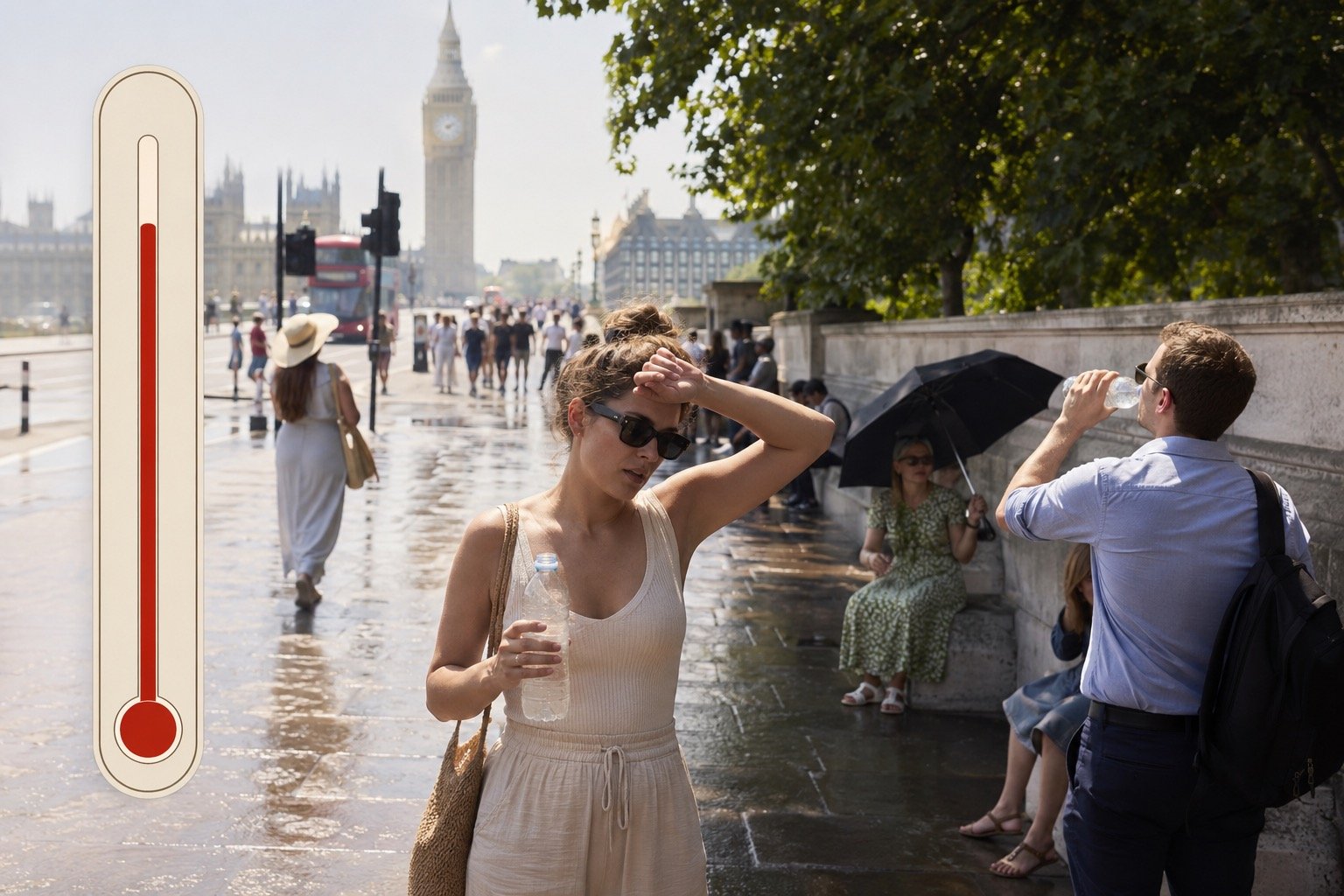
UK records hottest June day as heatwave intensifies
Britain has logged its hottest June day on record as a heatwave drives temperatures sharply higher and warnings are extended.
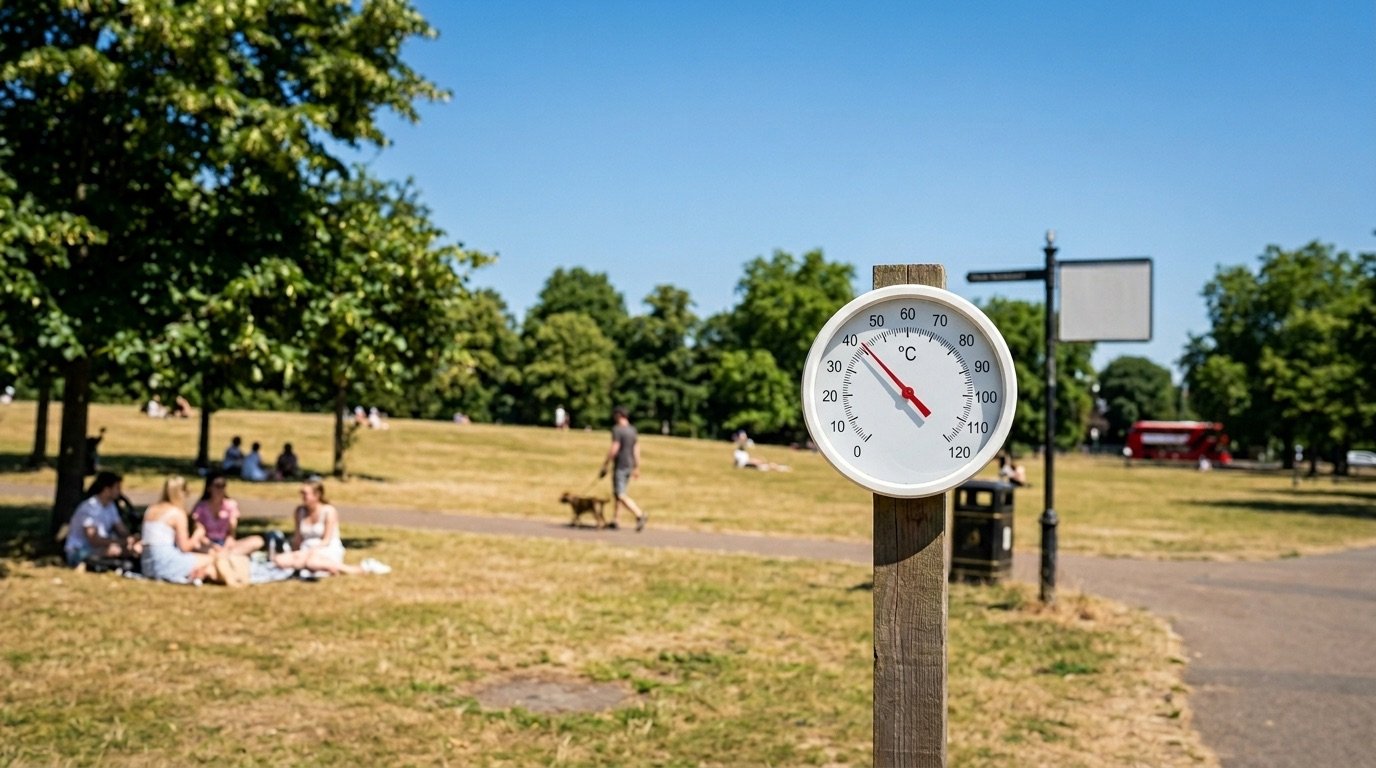
Amber heat warning grips England as temperatures forecast to hit 38C in record-breaking June heatwave
The Met Office has extended an amber extreme heat warning across southern England and south-east Wales, with the existing June record almost certain to fall as a humid heat dome settles over the country.
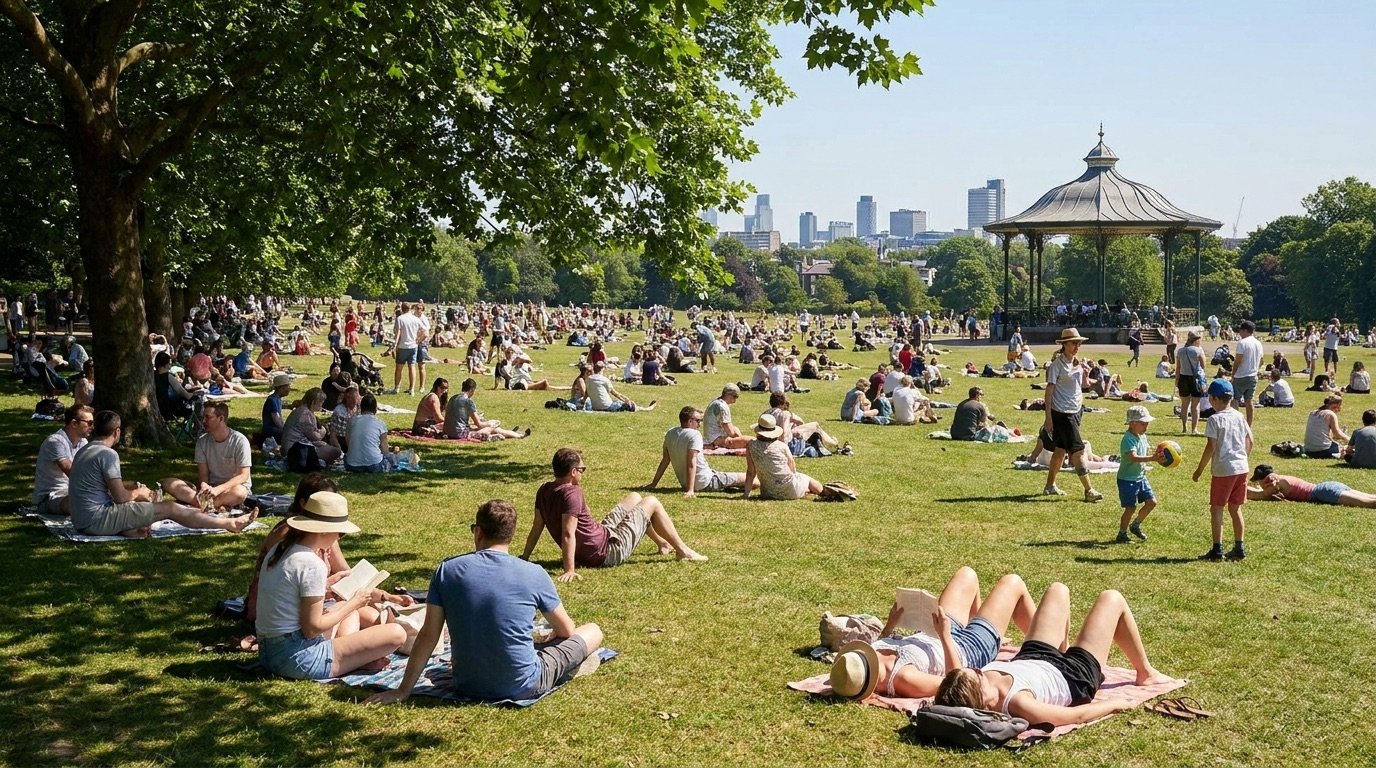
Amber heat-health alerts in force as temperatures push towards 30C across England
Health officials have issued amber alerts for much of England as a fresh heatwave brings temperatures of up to 30C, with fire services warning of wildfire risk and the chance of sudden thunderstorms.
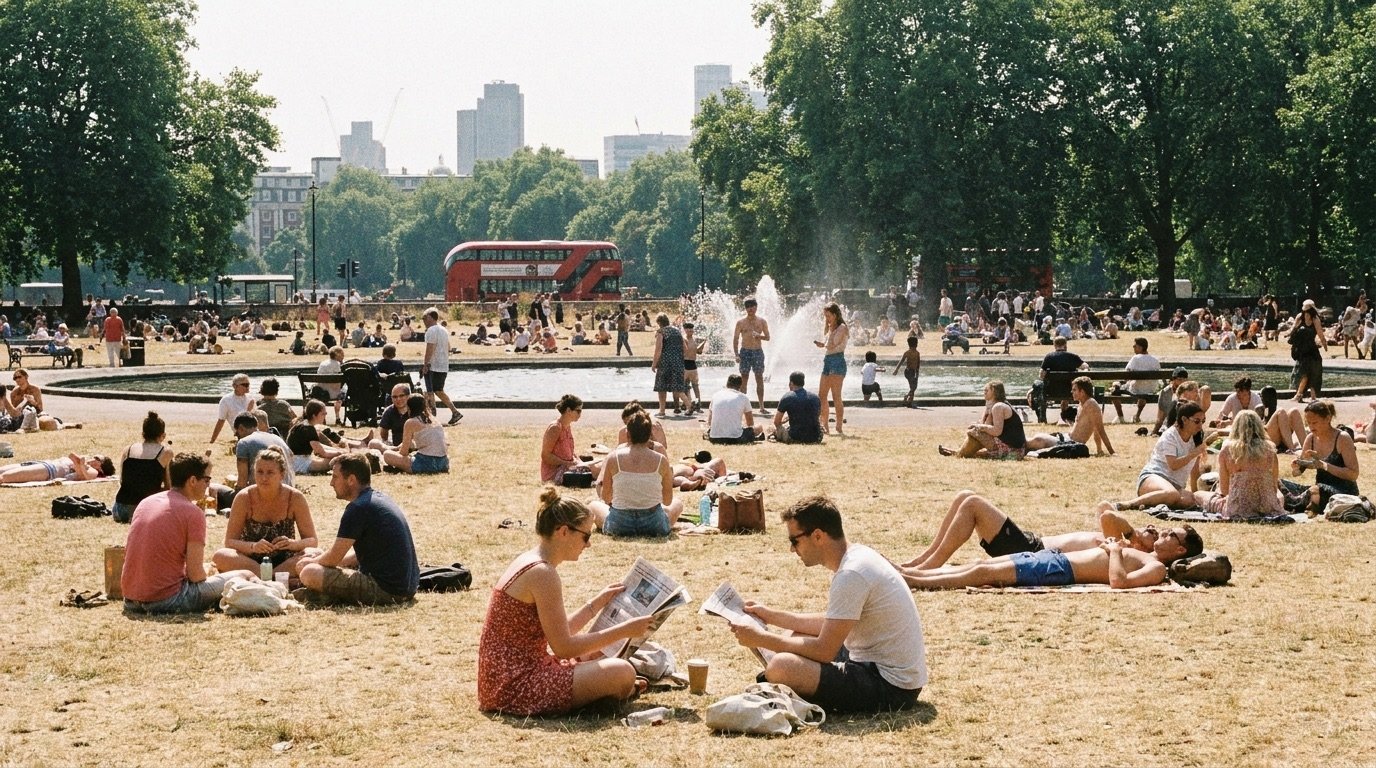
Heat health alert issued as second heatwave builds across England
After a record-breaking May, forecasters warn of another surge of warm air pushing into southern Britain, with temperatures expected to climb into the low thirties before a sharp drop later in the week.