Vondrousova's four-year ban reopens tennis anti-doping debate before the summer's biggest weeks
The 2023 Wimbledon champion was sanctioned after a tribunal found she refused a sample during an out-of-competition test, prompting a divided response over fairness, mental health and enforcement.
Daniel Fletcher
Writer ·
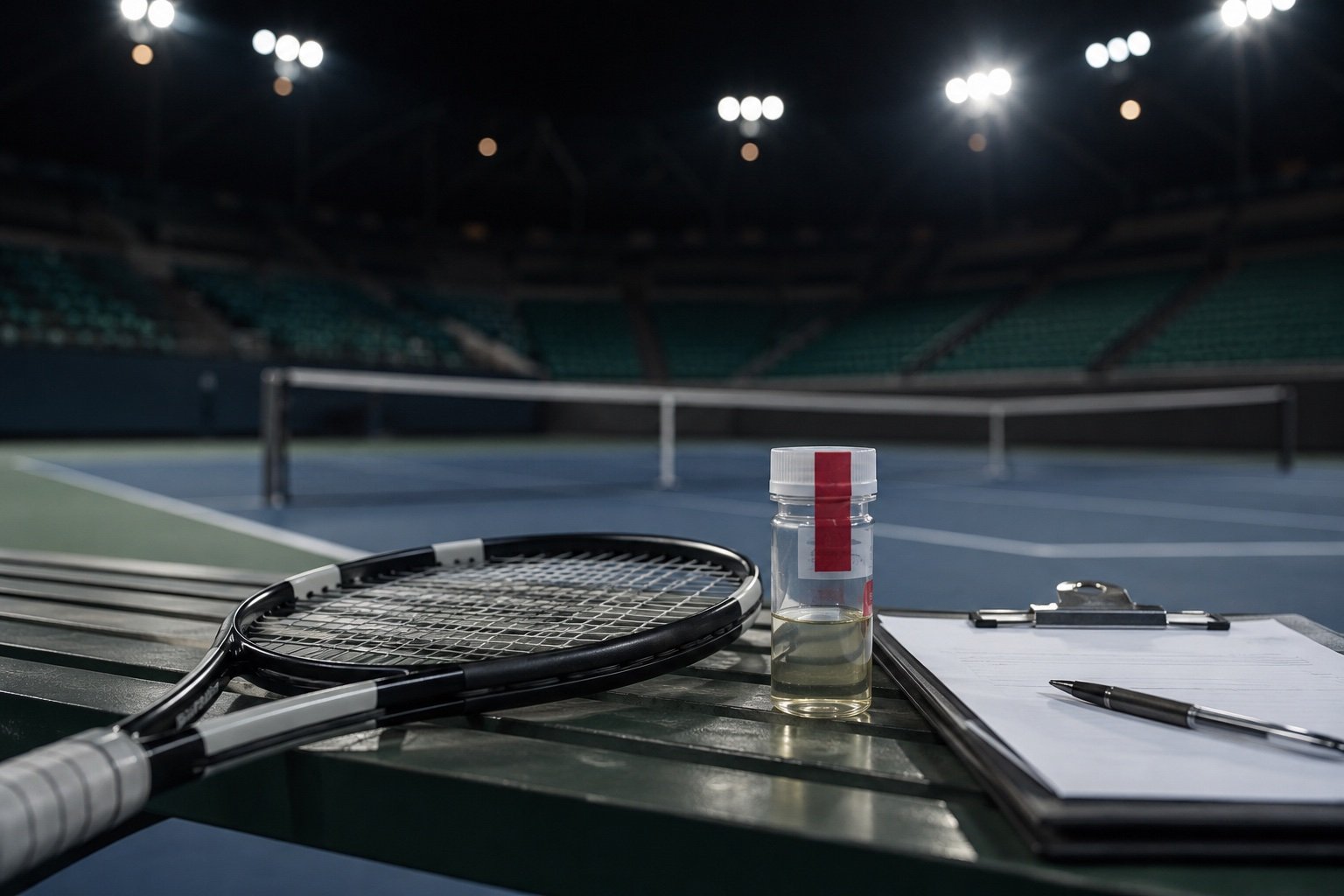
Marketa Vondrousova's four-year suspension has thrust tennis anti-doping rules back under intense scrutiny just as the sport moves into its biggest summer weeks. The 2023 Wimbledon champion was punished after an independent tribunal found she had refused to provide a sample during an out-of-competition test attempt at her home in December.
According to reports, Vondrousova signed a refusal form and later explained that the unexpected evening visit had caused fear linked to anxiety and stress disorders. The tribunal accepted that context but concluded that, under the rules, it did not amount to a compelling justification for declining the test.
A divided response
The decision has split players and observers, exposing the difficult balance between strict enforcement and individual circumstance. Some have questioned whether the system left enough room for a player's documented mental-health struggles, while others have insisted the rules must apply consistently.
- Ajla Tomljanovic criticised the authorities, calling the process heavy-handed.
- Fran Jones expressed sympathy for Vondrousova's situation.
- Karolina Pliskova stressed that surprise testing is part of the professional game.
- The International Tennis Integrity Agency defended unannounced tests as essential.
Fairness against rigour
At the heart of the case is a tension that anti-doping systems are designed to resolve cleanly but rarely do: how to uphold uniform rules while accounting for the human realities of the athletes subject to them. The Vondrousova ruling has made that tension impossible to ignore.
“Players know surprise testing is part of the system, but a four-year ban forces a hard conversation about fairness and mental health.”
Background
Out-of-competition testing, including unannounced visits, is a cornerstone of anti-doping efforts intended to deter the use of banned substances when athletes are away from events. Refusing or failing to provide a sample can carry penalties comparable to a positive test.
The International Tennis Integrity Agency has consistently argued that the unpredictability of such tests is precisely what makes them effective in protecting clean competition. Critics counter that the framework can struggle to accommodate exceptional personal circumstances.
What happens next: Vondrousova faces a lengthy absence from the sport, and the case is likely to fuel ongoing debate about how anti-doping rules weigh enforcement against mental health, with any appeal or rule review watched closely across the tour.
Sources: reporting by The Guardian.
The NE Times is an independent news and analysis publisher. Our articles combine factual reporting with clearly-written, impartial analysis. Content is for general information and does not constitute professional advice. Disclaimer.
You may also like to read

Vondrousova Ban Puts Tennis Testing Rules Under Fresh Scrutiny
A four-year ban for the former Wimbledon champion has triggered a sharp debate over anti-doping procedure and player welfare.

Jannik Sinner Says He Is Fit For Wimbledon Heat Challenge
The world No. 1 says medical tests and heat-management work have left him physically ready for Wimbledon after his shock Paris collapse.

Wimbledon stays free-to-air on the BBC until at least 2033
A new BBC deal with the All England Club keeps the grass-court Grand Slam widely accessible on TV, radio, iPlayer and digital platforms across the UK.
Raducanu races to be fit for Wimbledon after foot scare
The British No. 1 missed a scheduled practice session days before her home Grand Slam, with reports she had been seen in a protective boot.