Government launches £30m fund to restore wildlife in England's protected landscapes
Wildflower meadows, wetlands and native woodlands are set to be created across national parks and national landscapes under a new three-year scheme delivered with farmers.
Eleanor Whitfield
Writer ·
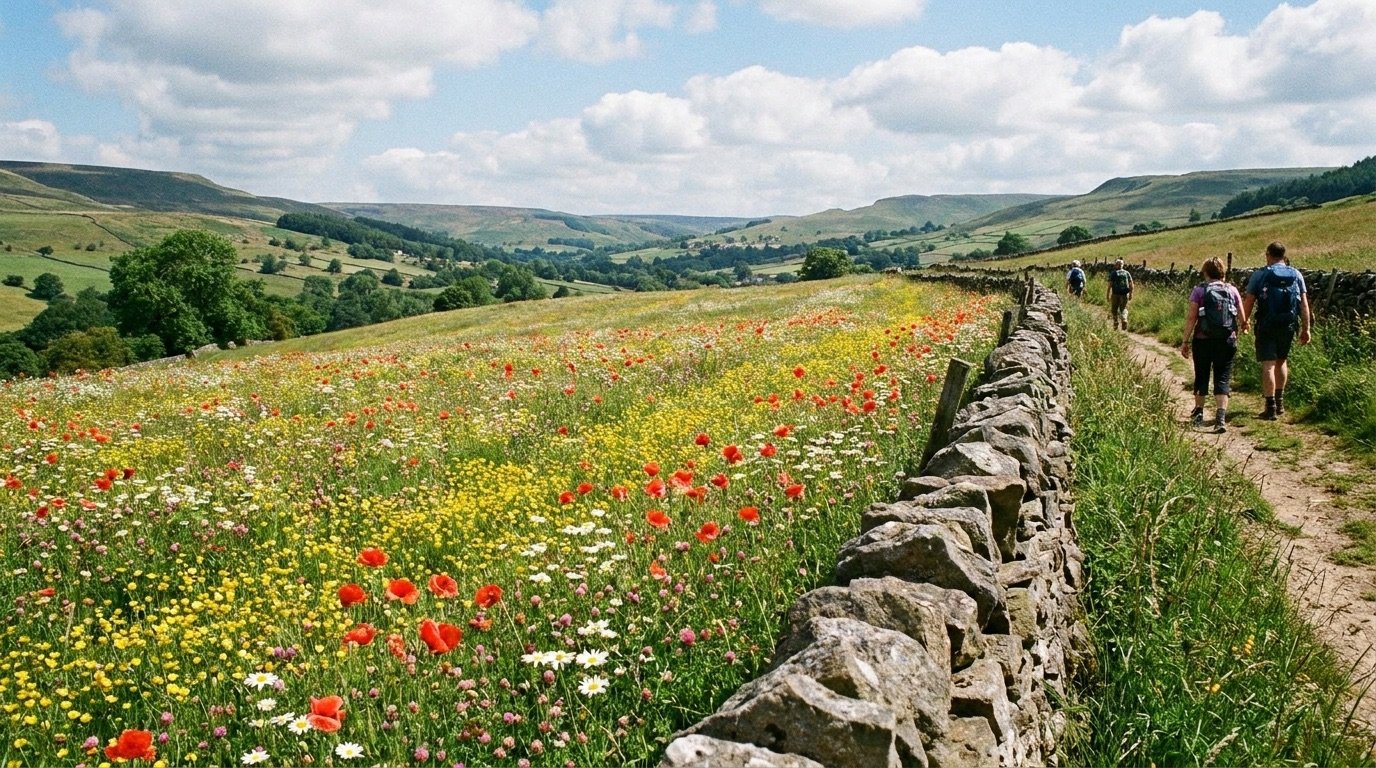
Ministers have launched a £30 million fund to create and restore wildlife-rich habitats across England's most cherished landscapes, with farmers and land managers central to delivery. The scheme is being presented as a practical step towards reversing decades of decline in native species and degraded habitats.
The Wildlife-Rich Habitat Fund went live on 26 May and will provide ring-fenced funding of £10 million a year from 2026 to 2029. In its first year, 36 of England's 44 protected landscapes are taking part, with each project shaped around local conservation priorities rather than imposed from the centre. The approach reflects a growing recognition that effective restoration depends on the knowledge of those who work the land.
Defra has framed the fund as a targeted intervention in places of particular natural and cultural value, where careful management can yield outsized benefits for biodiversity. Officials argue that concentrating resources in protected landscapes offers an efficient way to deliver measurable gains for nature.
Meadows, wetlands and woodland
The money will support the creation and restoration of wildflower meadows, wetlands and native woodlands across national parks, national landscapes and the Broads. It is delivered through the existing Farming in Protected Landscapes infrastructure but, the government stresses, is separate from and does not affect the wider farming budget.
Each habitat type plays a distinct ecological role. Wildflower meadows support pollinators and a wealth of insect life; wetlands provide crucial refuge for birds, amphibians and aquatic species while helping to manage water and store carbon; and native woodlands offer long-term habitat for a broad range of wildlife. Together they form part of the connected network of habitats that conservationists say is essential to halting species loss.
- £30 million over three years, at £10 million a year from 2026 to 2029
- 36 of England's 44 protected landscapes taking part in year one
- Funding for wildflower meadows, wetlands and native woodlands
- Delivered through the Farming in Protected Landscapes infrastructure
- Separate from, and not affecting, the wider farming budget
Farmers at the centre
By routing the fund through farmers and land managers, the government is reinforcing a model of conservation that works with, rather than around, those who manage the countryside. Supporters say this is the only realistic way to achieve landscape-scale change, since the majority of England's land is in private hands and much of its most valued scenery is actively farmed.
“Restoring nature at scale means working hand in hand with the people who manage the land.”
— A Defra spokesperson
Farming and conservation organisations have generally welcomed the focus on partnership, while some have stressed the importance of stable, long-term funding so that habitat projects can be planned and maintained with confidence. Restoration, they note, is rarely a one-off task and often requires sustained management over many years.
There is also a practical case for the approach. Farmers and land managers possess detailed knowledge of their own land, its soils, drainage and wildlife, that can make the difference between a habitat scheme that flourishes and one that fails. By giving local projects the latitude to set their own priorities, the fund aims to harness that expertise rather than imposing uniform prescriptions from above. Conservation bodies have long argued that this kind of locally led delivery tends to produce more durable results.
Background: targets for nature
The scheme forms part of the government's broader effort to halt species decline by 2030, contributing to the international pledge to protect 30 per cent of land for nature and the legally binding target to restore more than 500,000 hectares of wildlife-rich habitat. Those commitments have set demanding benchmarks against which environmental policy is increasingly measured.
England's wildlife has experienced significant long-term declines, with many once-common species now far less abundant than in previous generations. Conservationists argue that meeting the 2030 goals will require not only new funding but consistent delivery across many schemes, of which this fund is one component.
What happens next
With the fund now open, the first projects will begin shaping local restoration work across the participating landscapes, with results expected to build over the three-year lifespan of the scheme. The real measure of success will be whether the meadows, wetlands and woodlands created translate into recovering populations of birds, insects and other wildlife. As the 2030 deadline approaches, schemes such as this will be scrutinised for evidence that Britain can begin to turn the tide on nature's long decline.
Sources: reporting by GOV.UK (Defra).
The NE Times is an independent news and analysis publisher. Our articles combine factual reporting with clearly-written, impartial analysis. Content is for general information and does not constitute professional advice. Disclaimer.
You may also like to read

Gatwick expansion gains momentum as campaigners lose court battle
A ruling against opponents of the airport's growth plans has reinvigorated a contested infrastructure scheme, even as arguments over noise, emissions and capacity remain firmly alive.
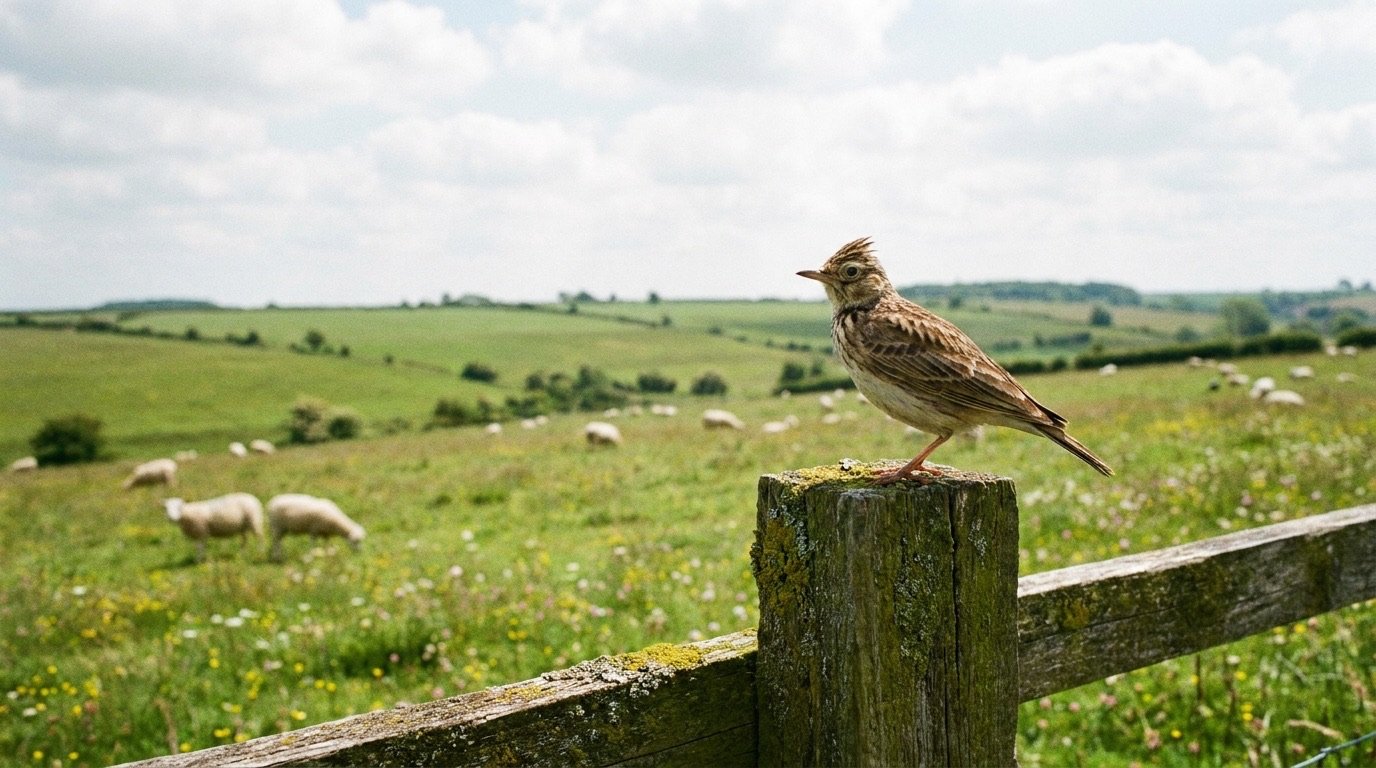
One in six birds lost since 1980 as landmark report warns of devastating decline in UK nature
Conservationists say 1,500 species in Great Britain are at risk of being lost completely, with birds facing an especially high extinction threat driven by intensive farming and climate change.

MPs to debate full fracking ban as energy and environment clash
A Commons debate will weigh the environmental, economic and energy security arguments over whether to close loopholes in the UK's fracking moratorium.

Household water bills to rise again as firms face sewage scrutiny
Average bills in England and Wales are set to climb by around £33 in 2026-27, a smaller rise than last year but one that comes amid continued anger over sewage spills.