Rodrygo's World Cup observation: football's loudest culture meets its biggest market
Rodrygo's Guardian column on the gulf between Brazilian and American football culture shows what the World Cup can and cannot export.
Daniel Fletcher
Writer ·
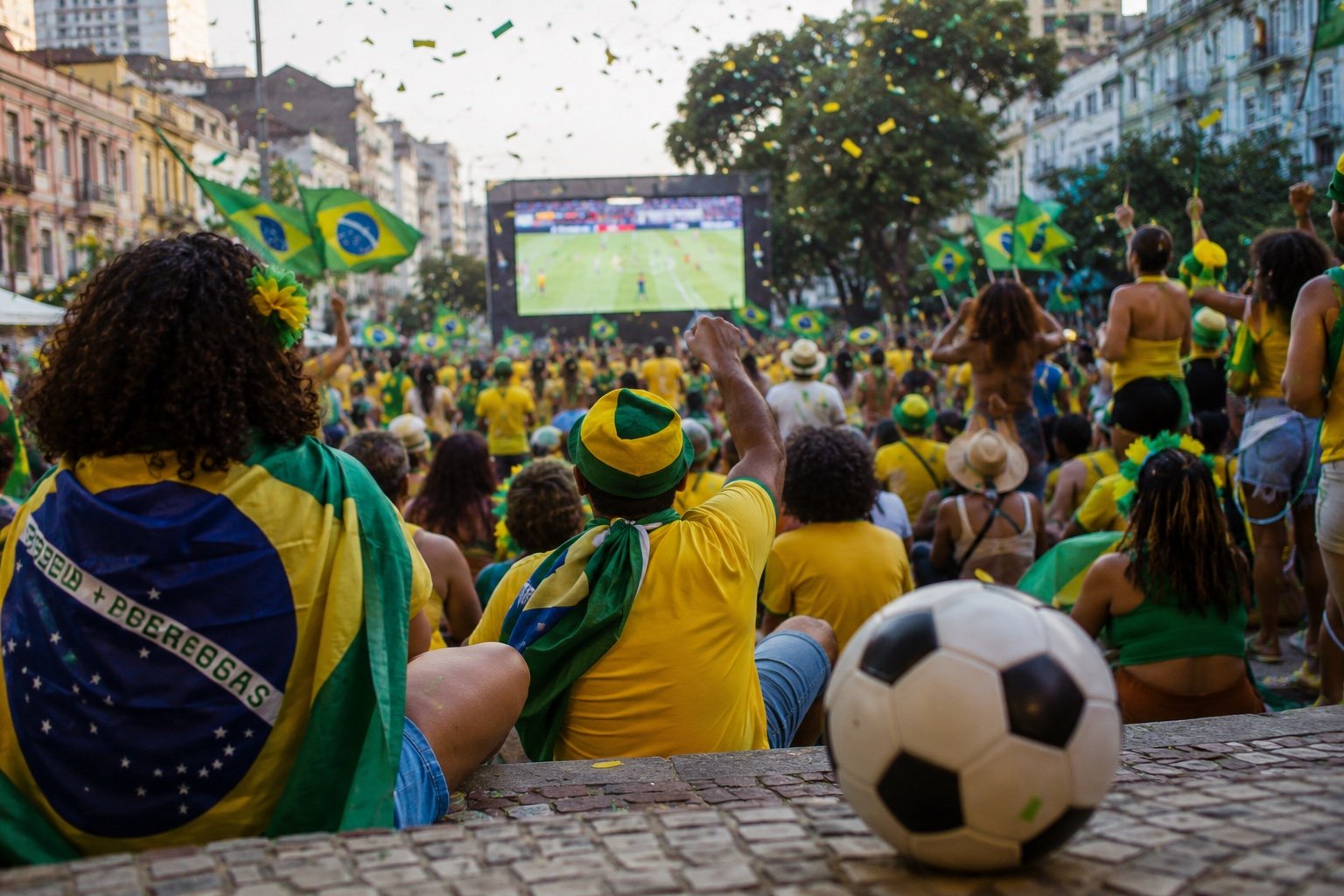
Amid the noise of an expanded World Cup, one of the sharpest observations of the tournament has come not from a pundit but from a player. In a Guardian column published on 5 July, Brazil forward Rodrygo reflected that football sits at the centre of the universe in Brazil in a way it simply does not in the United States — a comparison that is less a complaint about American enthusiasm than a lesson in what cultural depth actually means.
What happened
Rodrygo described a Brazilian match day as something that spills far beyond stadiums: public life bends around the fixture, conversations begin hours before kick-off and continue long after the whistle, and the game functions as a shared national appointment rather than content on a screen. In the US, by contrast, the World Cup generates intense pockets of excitement around venues and fan zones without taking over the country's wider sporting imagination, where the NFL, NBA, MLB and college sport hold long-established emotional territory.
Why it matters
Global sport often talks as if visibility and cultural depth are the same thing. They are not. A host nation can fill stadiums, sell premium tickets and stage a flawless tournament while still having a fragmented relationship with the game itself. Brazil's football culture was not built by packaging; it is powerful because it is inherited — through family stories, neighbourhood identity and decades of argument, joy and disappointment. The marketing follows the passion, not the other way round. For Brazil's current squad, that inheritance is both fuel and burden. Every campaign is read against the trophies and the icons, and a national-team defeat can feel like a civic wound. Rodrygo knows the conversation is never just about his position on the pitch; it is about whether the team feels recognisably Brazilian to the country watching.
The bigger picture
None of this makes Brazil's model the only authentic one. Football changes shape wherever it lands — identity in one place, entertainment in another, both at once in many. The US has deep soccer communities and genuine growth; what it lacks is not passion but repetition, the weekly rituals and childhood memories that turn a tournament into a national interruption. Organisers and sponsors should read Rodrygo's column as a caution: devotion cannot be exported whole, only grown.
What happens next
The tournament rolls on, and with it a quiet test: whether a global event can still create common feeling in an age of fragmented, personalised media. That football retains the power to gather an entire country around a shared emotional clock — as it does in Brazil — is not a small thing. It is the reason the World Cup remains more than a television product, and why the sport's new markets will be measured in decades, not tournaments.
Sources: reporting by The Guardian.
The NE Times is an independent news and analysis publisher. Our articles combine factual reporting with clearly-written, impartial analysis. Content is for general information and does not constitute professional advice. Disclaimer.
You may also like to read
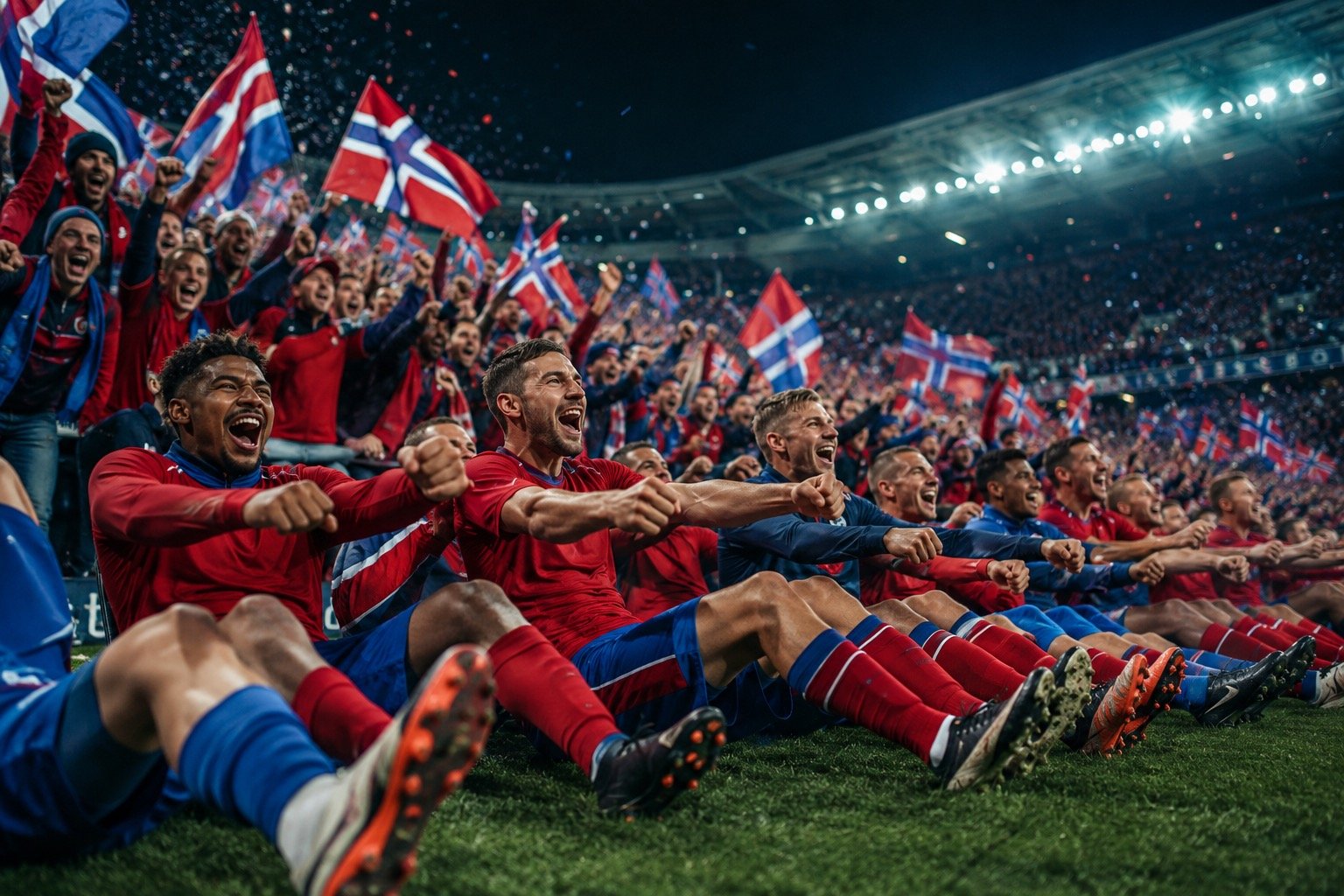
Norway's 'Viking row' celebration becomes World Cup talking point
Norway's distinctive goal celebration has drawn euphoria at home but irritation and envy from Scandinavian neighbours during a strong tournament run.
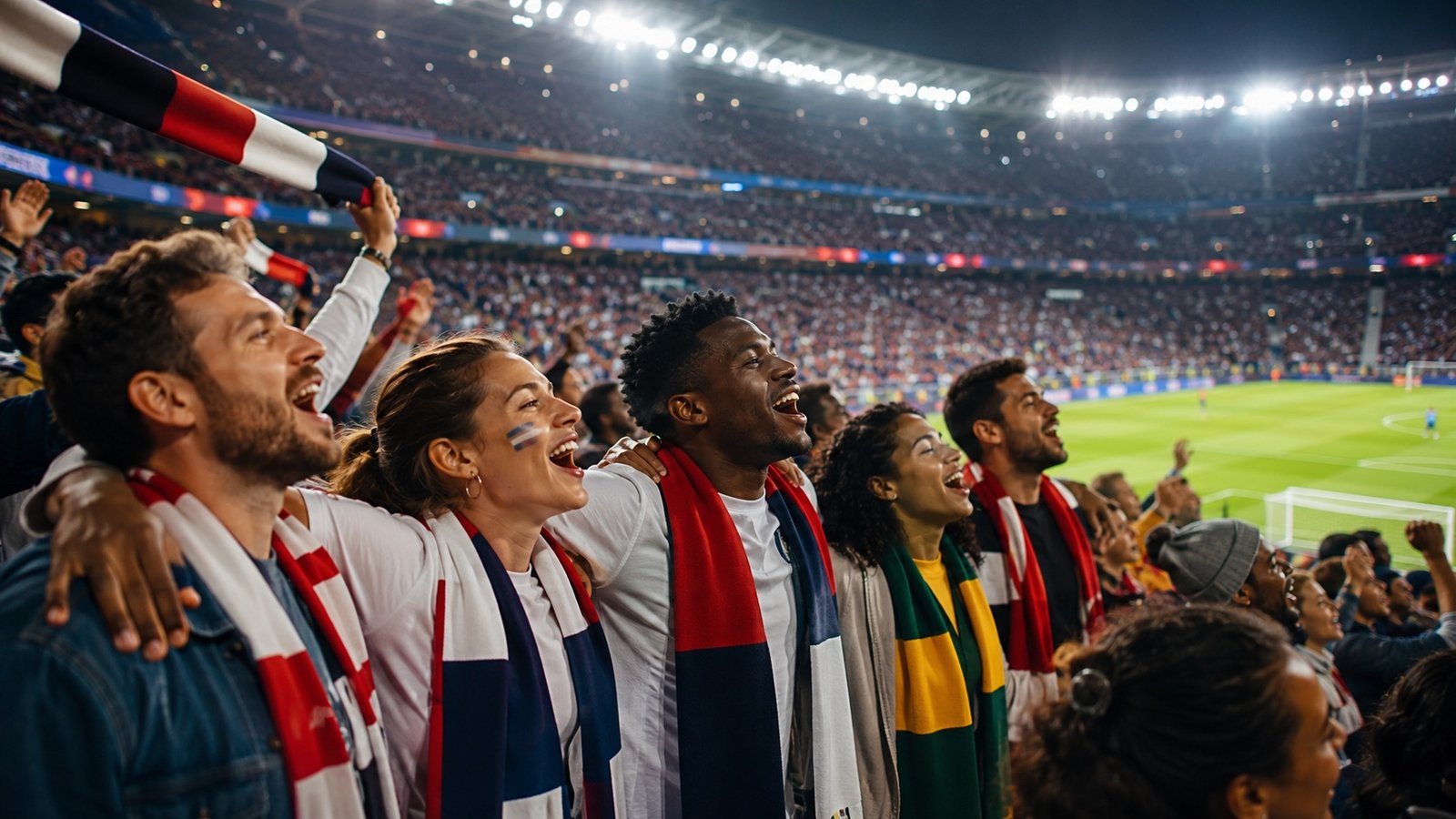
Wonderwall Becomes England's World Cup Anthem Because Football Still Needs Shared Rituals
Oasis's 1995 hit has become the unofficial soundtrack to England's 2026 World Cup run, a fan-led ritual no marketing committee could manufacture.
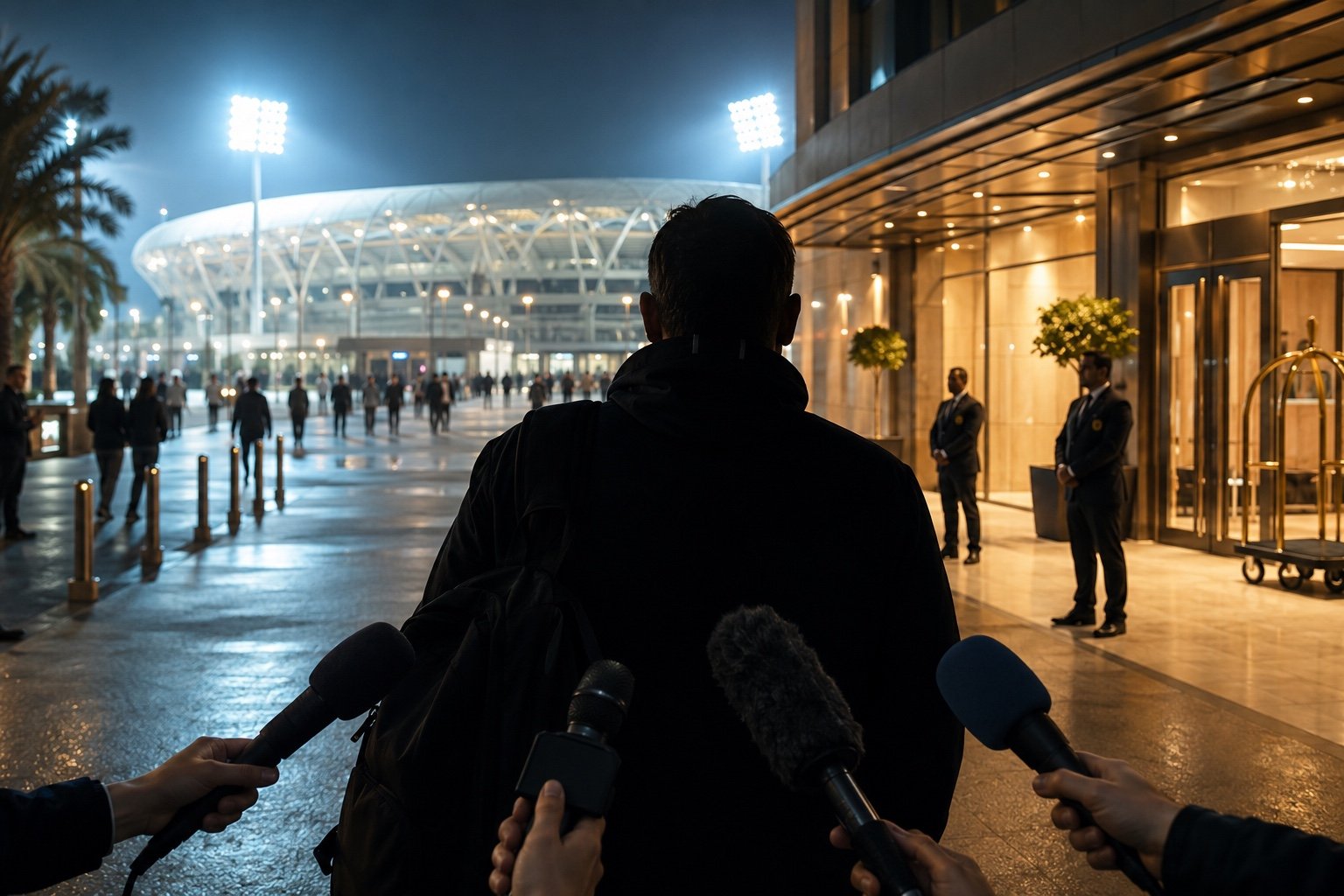
The Hossam Hassan Dallas incident shows how World Cup security is now part of the story
Egypt's coach says a hotel confrontation with Dallas police is resolved — but the episode shows the fragile line between security and football culture.
France grind, Morocco glide: two routes into the World Cup quarter-finals
Mbappe's winner edged Paraguay 1-0 while Morocco swept Canada aside 3-0 to make African football history — two contrasting models of knockout control.