World Cup 2026 roars into life as hosts and home nations make their mark
The expanded 48-team World Cup is under way across three nations, with Mexico christening the tournament at the Azteca, the USA thrashing Paraguay and a string of early results setting the tone for a sprawling festival of football.
Daniel Fletcher
Writer ·
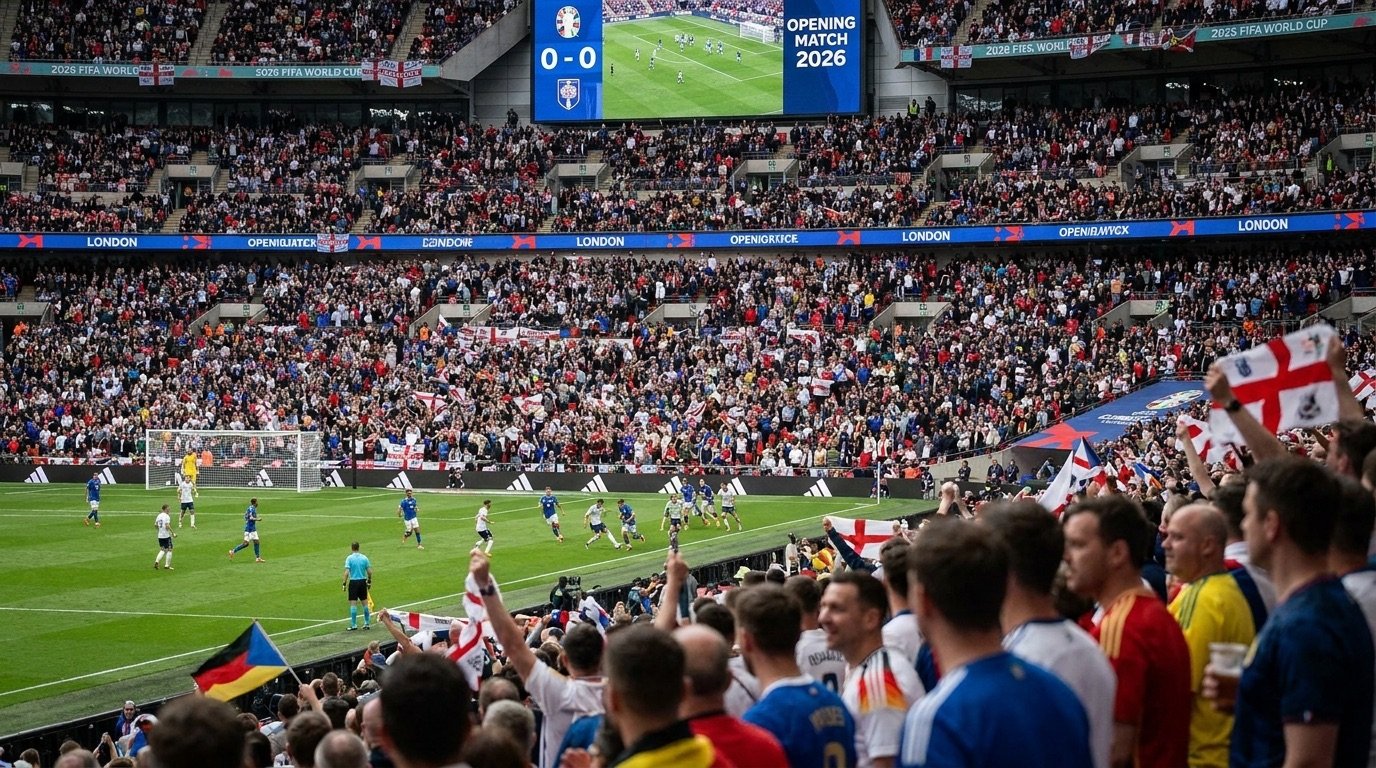
The biggest World Cup in history is finally under way. The 2026 edition — the first to feature 48 teams and the first staged across three host nations in the United States, Canada and Mexico — kicked off on 11 June with co-hosts Mexico opening proceedings in front of a fervent home crowd at the iconic Estadio Azteca in Mexico City.
Mexico marked the occasion in style, beating South Africa 2-0 to give the tournament a celebratory launch at one of football's most storied venues. From there, the action has come thick and fast, with the expanded format ensuring an almost relentless schedule of group-stage fixtures spread across a vast geographical footprint.
For supporters and neutrals alike, the opening days have offered a sweeping introduction to a tournament unlike any that has gone before — bigger, longer and more logistically ambitious than ever.
Hosts and home nations off the mark
Of the three co-hosts, it was the United States who made the loudest statement. The USMNT thrashed Paraguay 4-1 in their Group D opener, a result that delighted home fans and signalled genuine intent from a side determined to make a deep run on home soil. Canada, the third host, opened more cautiously, holding Bosnia and Herzegovina to a 1-1 draw.
There was joy too for the British and Irish contingent. Scotland produced the standout result among the home nations, John McGinn's deflected goal sealing a 1-0 win over Haiti and ending a 36-year wait for a World Cup finals victory. England, meanwhile, prepare to begin their campaign against Croatia having impressed in their warm-up matches.
“A 48-team World Cup across three countries is a logistical undertaking of staggering scale, but the early atmosphere has been everything the tournament hoped for.”
— Tournament observer
Early drama across the groups
The opening round of fixtures has produced its share of surprises and tight contests. Australia stunned Turkiye with a 2-0 win, while heavyweights Brazil were held to a 1-1 draw by an organised Morocco side — a result that immediately blew Group C wide open and set up Scotland's intriguing meetings with both nations.
Elsewhere, Korea Republic edged Czechia 2-1, and Switzerland were denied victory by a last-gasp Qatar equaliser in a 1-1 draw, Boualem Khoukhi the man to break Swiss hearts. The breadth of results underlines the unpredictability that the expanded field has injected into the group stage, with more nations than ever harbouring realistic hopes of progress.
- Mexico beat South Africa 2-0 in the opening match at the Estadio Azteca
- USA thrashed Paraguay 4-1; Canada drew 1-1 with Bosnia and Herzegovina
- Scotland beat Haiti 1-0 for their first World Cup finals win since 1990
- Brazil held 1-1 by Morocco; Australia beat Turkiye 2-0
- Qatar snatched a last-gasp 1-1 draw with Switzerland
Background
The 2026 World Cup represents a watershed in the tournament's evolution. The expansion from 32 to 48 teams added 16 nations to the finals and significantly lengthened the competition, while the decision to spread matches across three countries created unprecedented challenges around travel, climate and scheduling. The format introduces 12 groups of four, with the best third-placed sides advancing alongside group winners and runners-up to a new 32-team knockout phase.
Supporters of the change argue it democratises the tournament, giving more confederations and emerging footballing nations a place at the top table. Critics worry about dilution and fixture congestion. The coming weeks will provide the first real verdict on whether the gamble pays off.
The geography alone is staggering. Matches stretch from Vancouver and Mexico City to the eastern seaboard of the United States, with teams and travelling supporters facing long journeys, varied climates and time-zone shifts between fixtures. Organisers have leaned heavily on the experience of staging major events across the three host nations, but the sheer scale of 104 matches in a single edition is without precedent in the tournament's history.
What happens next
With the group stage in full swing, attention now turns to whether the established powers can navigate the longer road to the final, set for 19 July, and whether the expanded format throws up the kind of fairytale runs its supporters predicted. For the home nations, the early results have offered encouragement — and for the hosts, a fast start that has the tournament buzzing.
There is a long way to go, but the 2026 World Cup has announced itself emphatically. The festival of football has begun, and the scale of it is only just becoming clear.
Sources: reporting by Al Jazeera.
The NE Times is an independent news and analysis publisher. Our articles combine factual reporting with clearly-written, impartial analysis. Content is for general information and does not constitute professional advice. Disclaimer.
You may also like to read

FIFA pressed ahead with World Cup dynamic pricing despite objections from its own US staff
Leadership reportedly overruled American-based employees who opposed surge-style ticket pricing, intensifying a debate over affordability, resale costs and how aggressively organisers should chase revenue.

Trump set to hand over the World Cup trophy at the 2026 final, says Infantino
FIFA's president has indicated the US leader will present the trophy to the winners on 19 July, adding a fresh political dimension to a final already framed by American venues and heavy security planning.

Qatar's Assim Madibo handed five-match ban for World Cup tackle that broke Kone's leg
FIFA disciplinary action over the challenge that fractured Canada midfielder Ismael Kone's leg becomes one of the tournament's defining safety cases.
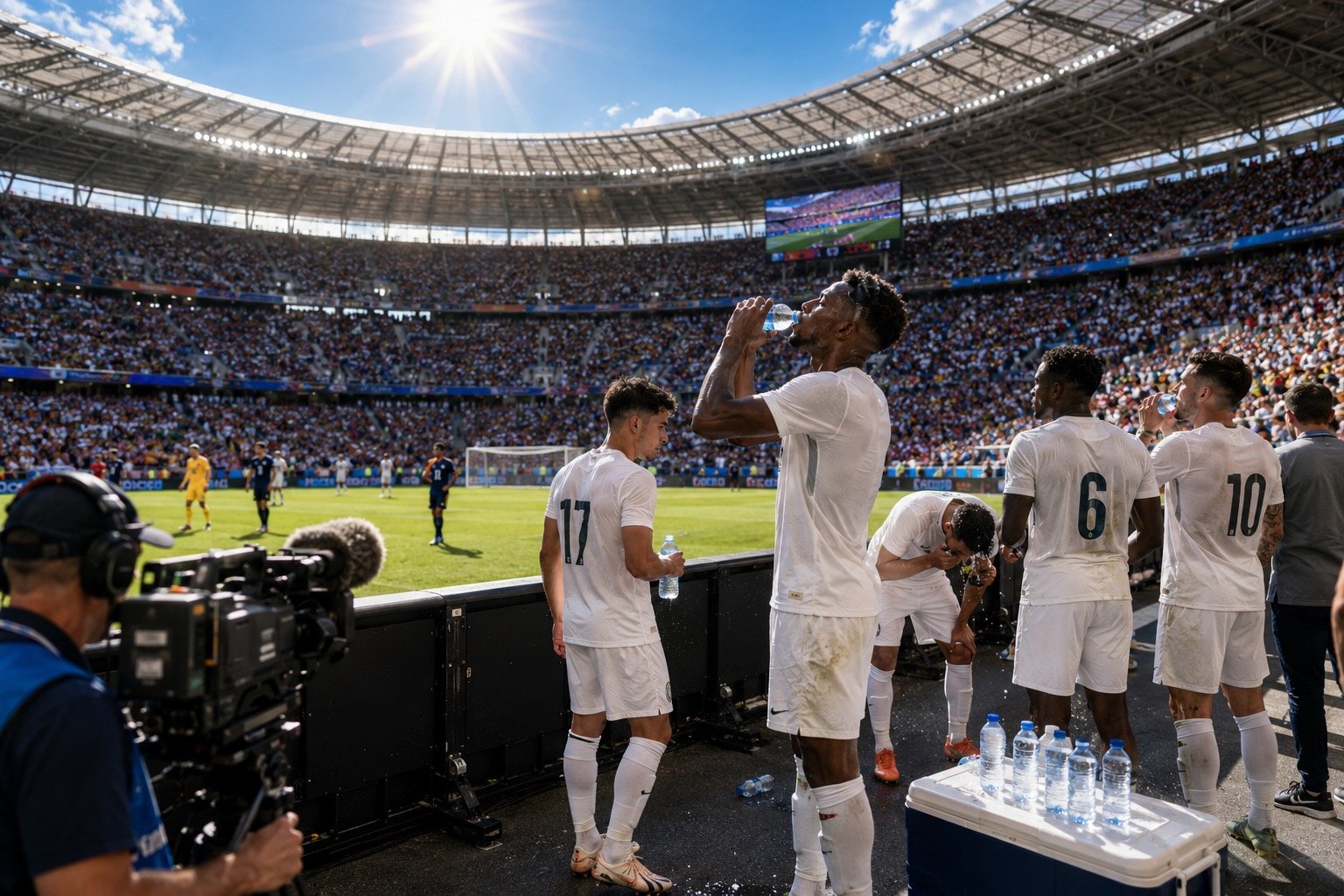
FIFA hydration breaks under scrutiny as World Cup crowds near record levels
Mandatory water breaks in North America's summer heat divide opinion, with FIFA defending player welfare as critics question the impact on rhythm and television.