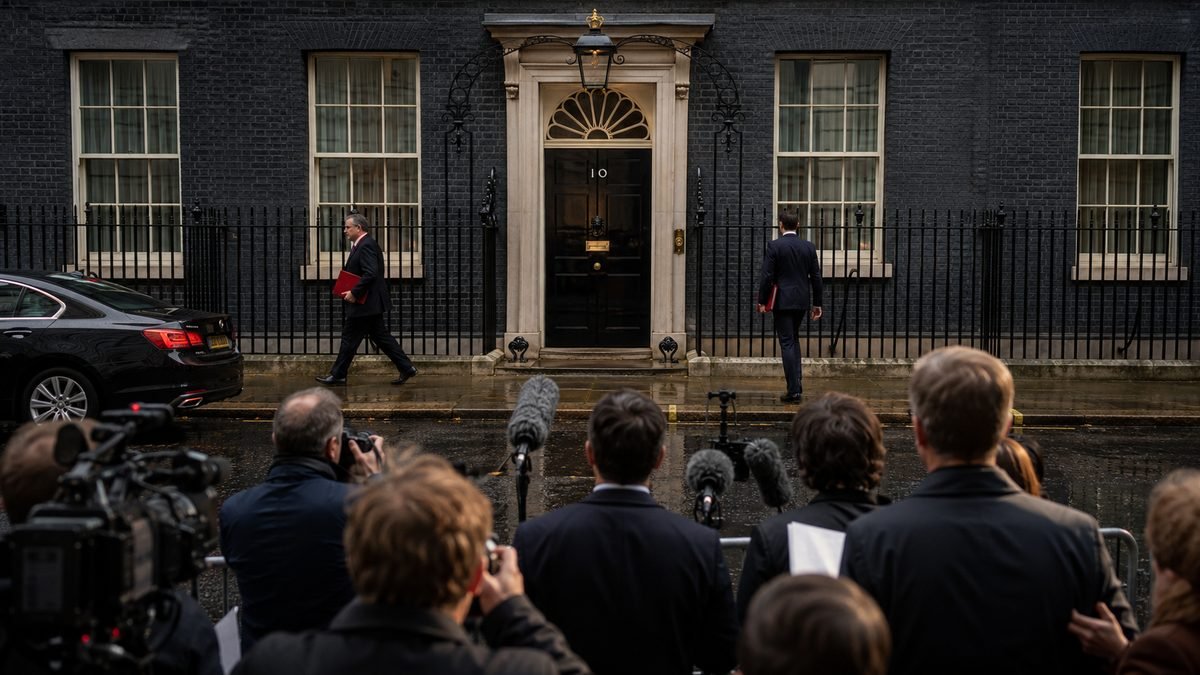
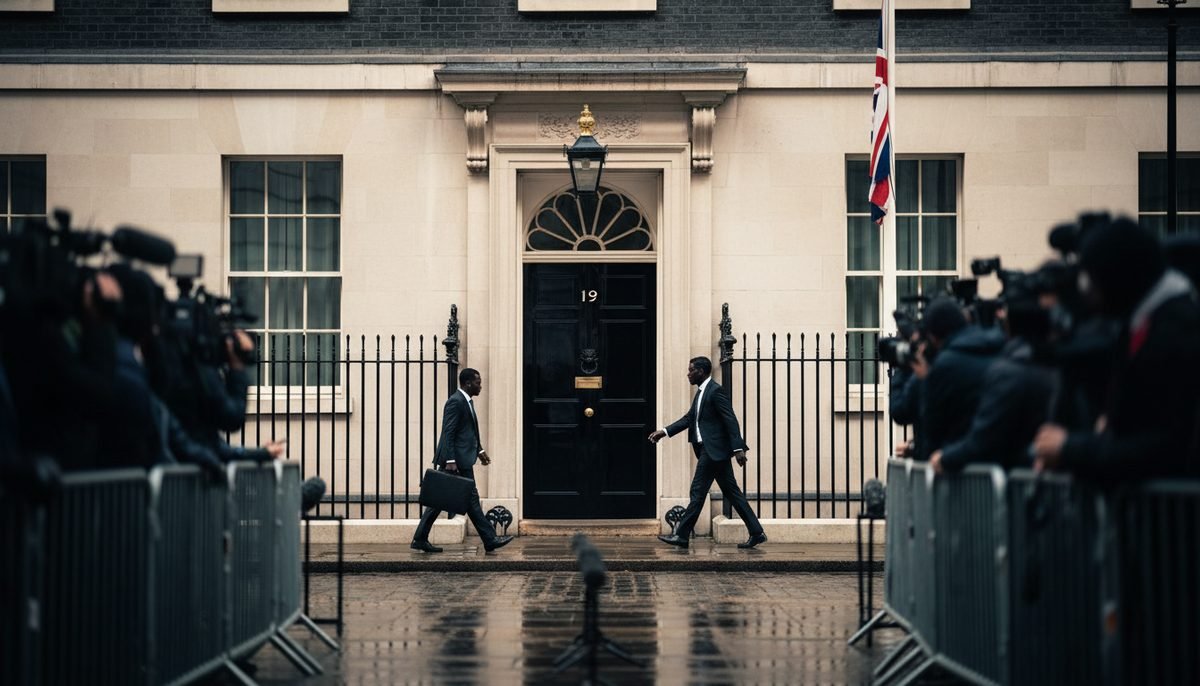
Andy Burnham Takes Labour Leadership and Promises a New Direction Before Entering No 10
Andy Burnham has taken the Labour leadership and is expected to enter No 10, promising an 'unashamedly Labour' government. Here is what his arrival means and the first tests he faces.
UK News & Politics Editor ·
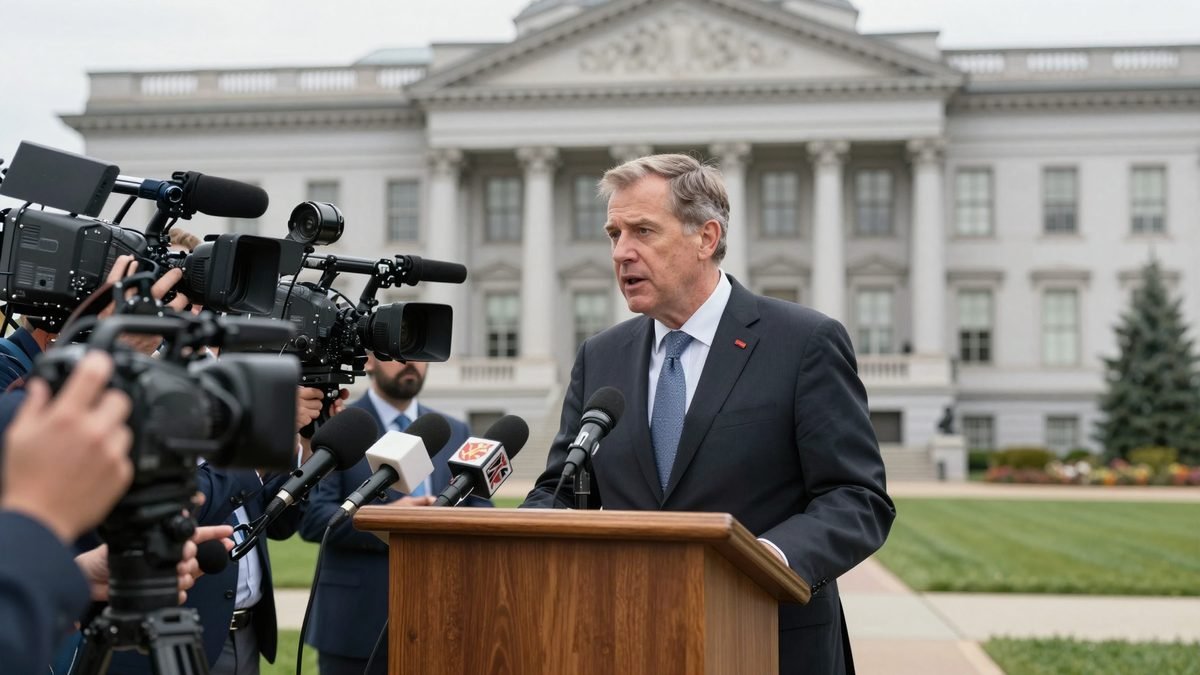
Why it's trending
The handover is the biggest UK political development of the day. Burnham's confirmation turns weeks of speculation into an immediate question about his programme, cabinet and governing style.
A leadership change becomes a governing deadline
Andy Burnham's confirmation as Labour leader is more than a party announcement. It starts a compressed transition in which every phrase of his first speech will be read as a clue to the government he intends to lead. Burnham enters the role after securing 379 nominations from Labour MPs, leaving no competitive ballot and allowing the party to move rapidly from Sir Keir Starmer's resignation toward a new administration. He is expected to become prime minister after the formal handover on Monday, 20 July. Until then, Britain has an unusual political weekend: the incoming leader can set direction, but the outgoing prime minister remains responsible for the machinery of government.
What Burnham is trying to signal
Burnham's promise of an 'unashamedly Labour' government is designed to communicate both continuity and rupture. Continuity matters because Labour still governs on the mandate won in 2024, and the incoming leader cannot plausibly abandon every manifesto commitment without provoking questions about democratic legitimacy. Rupture matters because Starmer's departure followed a loss of political authority and public confidence. Burnham therefore needs to convince voters that the government has changed course without suggesting that the previous two years were wasted. His language points toward a more visible role for the state, stronger regional institutions and a willingness to intervene in failing systems rather than manage decline.
Why his Greater Manchester record matters
The political asset Burnham brings to Westminster is a record outside Westminster. As mayor of Greater Manchester, he built a public profile around transport reform, regional investment and direct confrontation with central government when he believed the North was being treated unfairly. Supporters describe that approach as practical devolution: decisions should be taken closer to the people affected by them, while local leaders are held accountable for delivery. Critics argue that the mayoral model cannot simply be scaled to the whole country. National government must manage defence, monetary credibility, migration, energy security and international alliances, none of which can be solved through local branding alone.
Social care may become his defining domestic test
Burnham has repeatedly identified social care as a system that governments postpone because reform is expensive, politically difficult and spread across multiple institutions. The issue also has a personal dimension for him because of his family's experience of Alzheimer's disease. A serious reform plan would have to answer questions that have defeated successive governments: who pays, how care workers are rewarded, how local authorities receive predictable funding, and how the NHS and care system share responsibility when patients are medically fit to leave hospital. A pledge to spend political capital on social care is significant, but the public will judge the details rather than the emotion behind it.
The economic credibility problem
The immediate challenge is that almost every attractive promise carries a cost. Greater infrastructure investment, improved public services, regional funding and social-care reform must coexist with high borrowing costs and pressure on departmental budgets. Burnham has cultivated a reputation for combining public direction with private investment, yet business leaders have voiced concern that his team has not engaged enough with them during the transition. That concern may be partly tactical, but it matters. A government seeking growth needs companies to invest, recruit and build. Burnham's early appointments at the Treasury and business department will reveal whether he prefers ideological allies, experienced operators or a balance of both.
Cabinet choices will define the change more clearly than slogans
Leadership speeches can remain broad; ministerial appointments cannot. The new leader must decide which members of Starmer's team stay, which wings of Labour are brought closer to power and whether former local-government allies receive prominent roles. He will also need a team capable of handling an intense parliamentary calendar and multiple developing security issues. A cabinet perceived as a purge could deepen factional tension. A cabinet that looks almost identical to the old one could undermine his promise of a new direction. The most effective signal may be a mixed team with clear responsibility for a small number of urgent missions rather than a wholesale reorganisation of Whitehall.
What changes for opposition parties
The Conservatives, Reform UK, Liberal Democrats, Greens and nationalist parties will all adjust their strategy. Burnham's northern identity and emphasis on public services may complicate Reform UK's effort to present Labour as a remote metropolitan establishment. At the same time, a more interventionist economic programme gives Conservatives room to attack borrowing, nationalisation and tax risk. The Greens will argue that Burnham's language is more progressive than his likely decisions, especially on climate and foreign policy. The Liberal Democrats will focus on health, care and local government, where they can claim practical experience. Burnham's popularity may buy time, but it also raises expectations that opponents will try to puncture quickly.
The constitutional and international dimension
Although Labour's internal process determines its leader, the appointment of a prime minister follows the constitutional process involving the monarch. The transition is expected on Monday. International partners will watch for continuity on NATO, Ukraine, relations with the United States and the UK's cautious reset with the European Union. Burnham has less direct foreign-policy experience than several recent prime ministers, so the identity of his foreign and defence secretaries will carry extra weight. He must reassure allies that domestic political change will not produce strategic uncertainty, while also demonstrating that he is not simply inheriting Starmer's foreign policy without scrutiny.
What readers should watch next
The decisive information will arrive in stages: the full leadership speech, weekend briefings about senior appointments, Monday's constitutional handover and the first policy announcements after he enters Downing Street. Watch whether the government publishes costed measures or relies on direction-setting promises; whether business and trade unions are brought into the same conversation; and whether social care receives a timetable rather than another review. Burnham's central political claim is that government can feel closer, more confident and more useful. The first hundred days will determine whether 'new direction' becomes a governing method or merely the phrase that accompanied another rapid change of prime minister.
Sources & verification
- Labour Party - final parliamentary nominations (labour.org.uk)
- Sky News - politics live coverage (news.sky.com)
- Associated Press - profile of Andy Burnham (apnews.com)
Filed under Politics · Written by Eleanor Whitfield
You may also like to read