Starmer's Final Cabinet and PMQs: Andy Burnham Nears No.10 in a Historic Labour Handover
Keir Starmer prepares for his final cabinet meeting and PMQs as Andy Burnham dominates Labour's nominations and closes in on becoming prime minister.
UK News & Politics Editor ·
Why it's trending
The political transition is a leading live-news topic. Official Labour figures showed Andy Burnham with 369 parliamentary nominations at 5pm on 14 July, compared with one for Catherine West, making the outcome appear highly likely but not formally complete.
A final day of familiar rituals
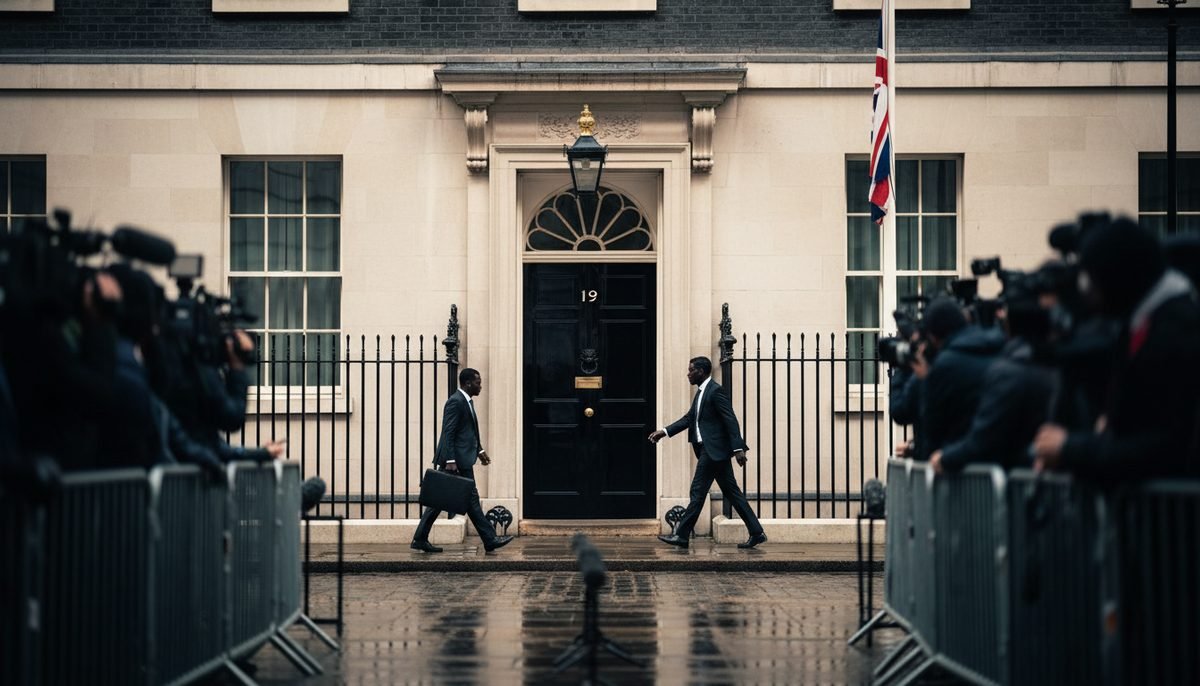
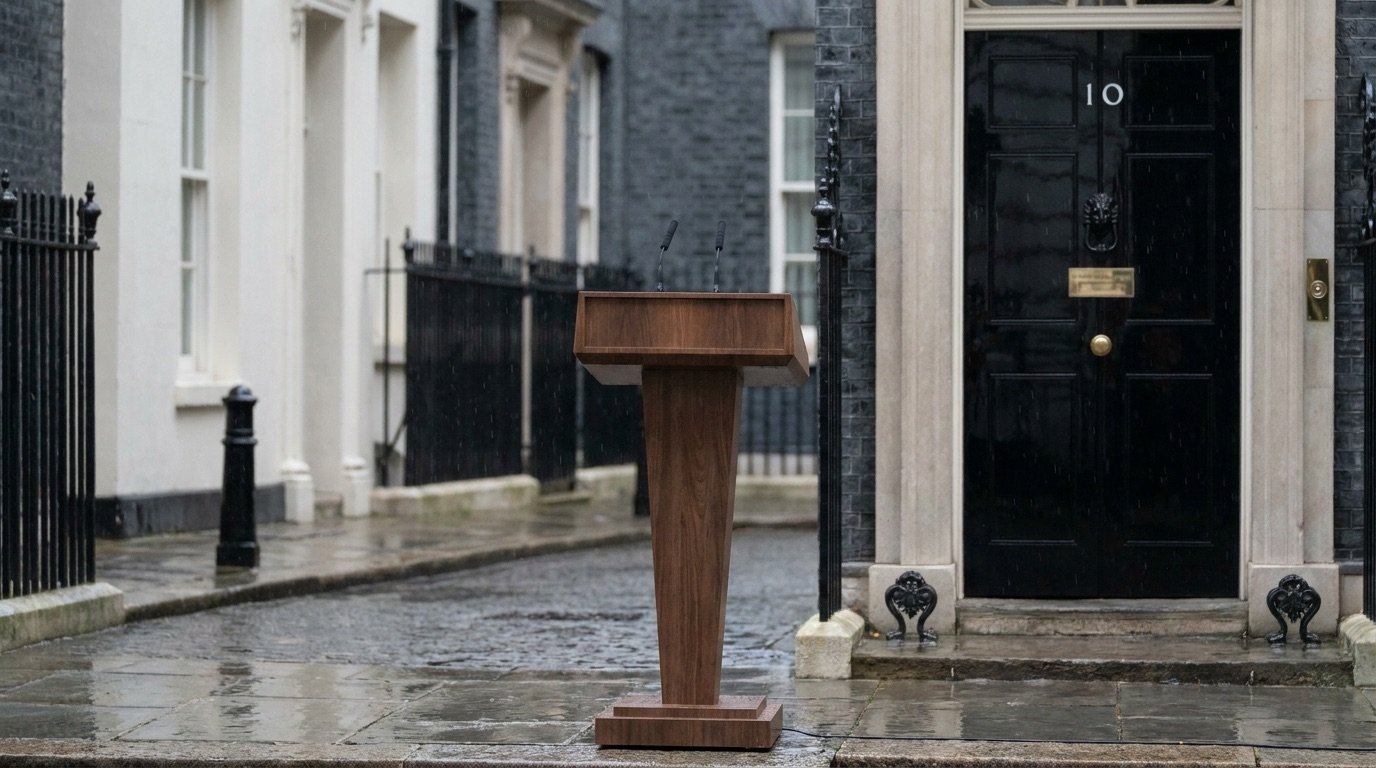
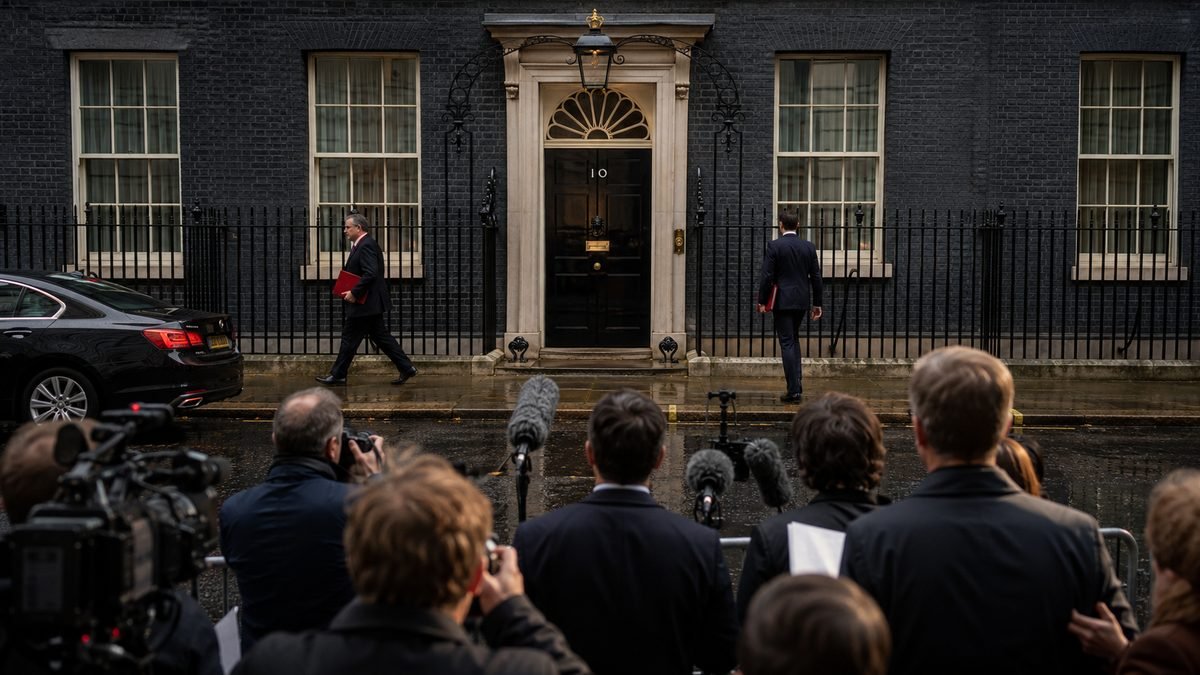
Sir Keir Starmer is expected to chair his final cabinet meeting and face his last Prime Minister's Questions as Labour's leadership process moves toward an overwhelming victory for Andy Burnham. The Commons schedule lists Starmer for PMQs on Wednesday 15 July, giving MPs and the public a final set-piece confrontation before the leadership result and transfer of power. It is an unusual political moment: the government remains in office, parliamentary business continues, but attention has already shifted toward the priorities and personnel of the incoming administration.
Official Labour nomination figures published at 5pm on Tuesday showed Burnham backed by 369 Labour MPs, while Catherine West had one nomination. Nominations close today. Those figures make Burnham's confirmation appear all but inevitable, although the party process must still conclude and the constitutional handover must follow. Starmer remains Labour leader and prime minister until the election has ended. Reports expect the new Labour leader to be confirmed on Friday 17 July, with a formal appointment as prime minister likely on Monday 20 July.
Why the transition matters
A governing party can replace its leader without a general election because the prime minister is the person best placed to command the confidence of the House of Commons. When Labour confirms a new leader, Starmer is expected to tender his resignation to the King, who would then invite Burnham to form a government. The process is constitutionally routine but politically consequential. A new prime minister can change cabinet appointments, policy emphasis and the way existing manifesto commitments are interpreted, even while leading the same parliamentary majority.
Burnham returns to national leadership after years as mayor of Greater Manchester and a recent return to the Commons through the Makerfield by-election. Supporters present his regional record as evidence that he can combine public-service investment, transport reform and economic development. Critics will test whether policies associated with devolved government can scale nationally and whether the rhetoric of 'Manchesterism' can be translated into credible decisions on tax, borrowing, welfare and public-sector reform.
What to watch at Starmer's final PMQs
Opposition leader Kemi Badenoch is likely to use the session to define Starmer's record and frame the challenges Burnham will inherit. Questions may focus on the economy, immigration, public services, the ongoing Iran conflict, political security after Ann Widdecombe's killing and the government's final legislative business. Starmer may use the occasion to defend his achievements, stress continuity and present the transfer as orderly rather than chaotic.
Final PMQs sessions can become more reflective than normal, but they are still adversarial. Backbenchers may pay tribute, press for last-minute commitments or position themselves for influence under the next leader. Burnham's supporters will be watching for signals about cabinet continuity, while ministers face questions over whether they will keep their roles. The session also provides a symbolic contrast between the public theatre of Westminster and the private work of preparing a new government.
The policy inheritance
Burnham would take office with major decisions already in motion. The government has introduced new online-safety restrictions, new Buy Now Pay Later regulation and a series of national-security measures. It is also responding to prolonged extreme heat, pressure on the NHS, a difficult housing market and concerns about weak productivity. The new prime minister must decide which programmes to accelerate, which to revise and where a change of tone is enough without a change of policy.
The economy will be central. Burnham has argued for investment-led growth and stronger regional infrastructure, but the Treasury faces constraints from debt servicing, welfare demand and public-sector pay. Rachel Reeves has called for closer relations with the European Union and defended the government's economic record. Speculation about the next chancellor will intensify because the relationship between prime minister and Treasury determines how quickly campaign promises become funded programmes.
Foreign policy provides another test. Burnham has signalled support for NATO, the nuclear deterrent, Ukraine and the US alliance, while taking a more critical position on the humanitarian situation in Gaza. The escalating US-Iran conflict and threats to energy shipping mean he may enter Downing Street during an international crisis. Continuity is valuable in security policy, but a new leader is also expected to demonstrate judgement and a distinct voice.
Cabinet choices and party management
Burnham's huge nomination total gives him authority, but broad support can conceal competing expectations. MPs who backed him include figures from different Labour traditions and regions. Some want a stronger emphasis on redistribution and public ownership; others prioritise fiscal caution, business confidence and electoral competition with Reform UK. Cabinet appointments will therefore be read as a map of the new leader's political strategy.
There will be pressure to balance experience with visible renewal. Keeping several senior ministers would reassure markets, allies and the civil service. Promoting regional and younger figures would support Burnham's promise of change. The choice of chancellor, home secretary, foreign secretary and health secretary will receive the greatest scrutiny, but appointments responsible for housing, local government and transport may reveal more about whether his regional agenda is genuine.
The democratic and electoral question
A change of prime minister between general elections is lawful and has occurred under both major parties, but opponents often argue that a new leader lacks a personal mandate. Burnham will respond that Labour won the 2024 election and retains a Commons majority. The political answer will depend on whether his government follows the manifesto, seeks fresh approval for major departures and can maintain parliamentary confidence.
The immediate electoral test is not a general election but public reaction, by-elections and polling against the Conservatives, Liberal Democrats and Reform UK. Burnham's appeal has often rested on speaking beyond Westminster and presenting practical regional achievements. Governing from Downing Street removes some of the distance that made that style effective. Every compromise will now be his responsibility.
For today, the focus remains on Starmer's final cabinet and final PMQs, the close of nominations and the choreography of transition. The outcome appears clear, but the substance of the next government is not. The coming days will show whether Burnham's accession represents a change of personality, a change of priorities or a deeper reset of Labour's approach to power.
Sources & verification
- Labour Party official nomination totals
- UK Parliament PMQs schedule
- Labour leadership timetable
- Associated Press transition report
- ITV News transition preview
Filed under Politics · Written by Eleanor Whitfield
You may also like to read