Anglian Water drought restrictions: why the first hosepipe ban since 2012 is still in force
The East of England's first hosepipe ban since 2012 — the largest of the summer, covering more than five million customers — remains in force with no end date in sight, as months of hot, dry weather drain rivers and groundwater.
UK News & Politics Editor ·
Why it's trending
Searches for Anglian Water's drought restrictions surged as the East of England's hosepipe ban rolls into another dry week and drought status spreads across more regions.
A month on from the moment the sprinklers fell silent, the East of England's hosepipe ban shows no sign of lifting. Anglian Water's Temporary Use Ban — the company's first since 2012 and the largest restriction of this summer — has been in force since 1:01am on Saturday 11 July, covering more than five million customers across the driest region in Britain.
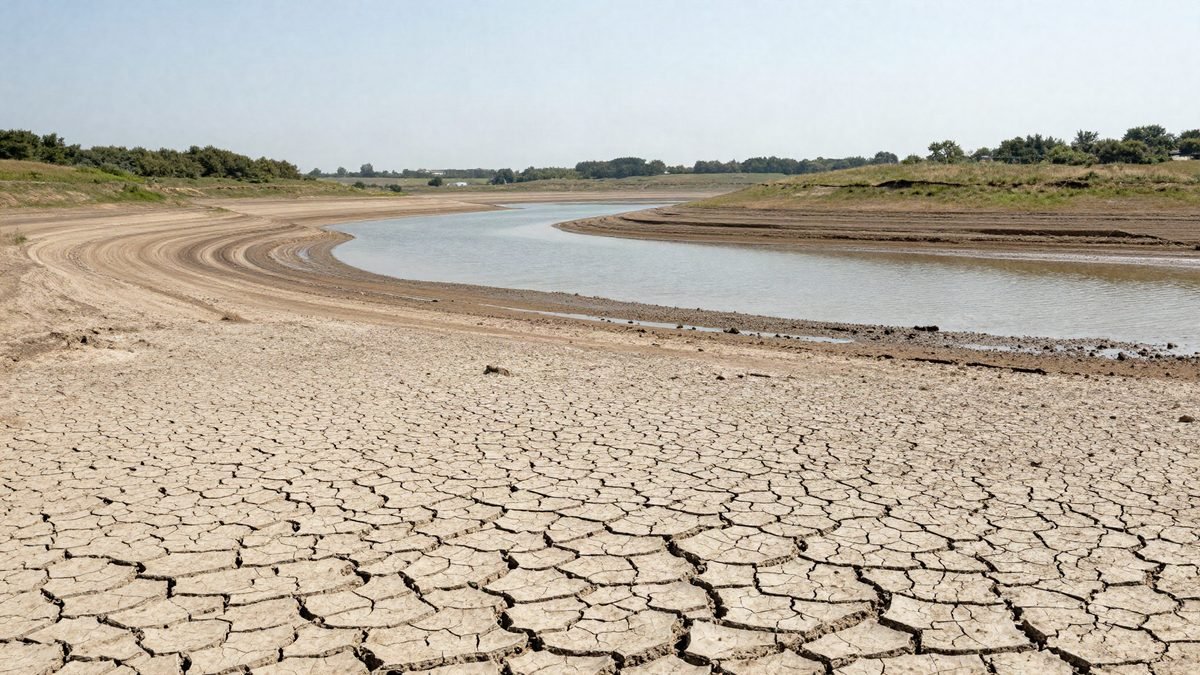
The company's message has not softened: months of hot, dry weather and record water use have put immense pressure on rivers and groundwater, and not enough water is returning to the environment to replace what is being drawn out. With the region's reservoirs and chalk aquifers running low, searches for 'Anglian Water drought restrictions' surged again this week as households looked for any sign of an end date.
At a glance
- Temporary Use Ban in force since 1:01am on Saturday 11 July 2026
- Anglian Water's first hosepipe ban since 2012 — the largest of the summer
- Covers more than five million customers across the East of England, except Hartlepool
- Hosepipes, sprinklers, irrigation systems and pool-filling all restricted
- Months of hot, dry weather and record demand have depleted rivers and groundwater
What the ban actually covers
The Temporary Use Ban prohibits using a hosepipe for the familiar summer list: watering gardens, washing cars, filling paddling pools and hot tubs, and running sprinklers, dripper hoses or automatic irrigation. Watering cans and buckets remain legal, if laborious — the restriction targets the connected hose, which can use as much water in an hour as a family of four does in two days.
Exemptions exist for blue-badge holders, certain medical needs and businesses that depend on hosepipe use, such as car washes. Enforcement is largely by consent, but ignoring a TUB is an offence that can carry a fine of up to £1,000.
Why East Anglia runs dry first
The East of England is Britain's driest region in a normal year — parts of Essex and Suffolk receive less annual rainfall than Jerusalem — and it depends heavily on groundwater held in chalk aquifers that recharge only in wet winters. After consecutive dry seasons, there is simply less in the bank.
It is also the country's most important arable farming region, which sharpens every drought argument: irrigation for crops competes with taps, rivers and wildlife. The protected chalk streams that thread through the region are among the first casualties when abstraction outpaces rainfall.
Part of a national pattern
Anglian's ban is the largest but far from the only one: water companies across the country have imposed restrictions this summer as region after region has formally moved into drought status. The East Midlands joined the list this week after five consecutive months of below-average rainfall and the driest spring-and-summer period since 1995.
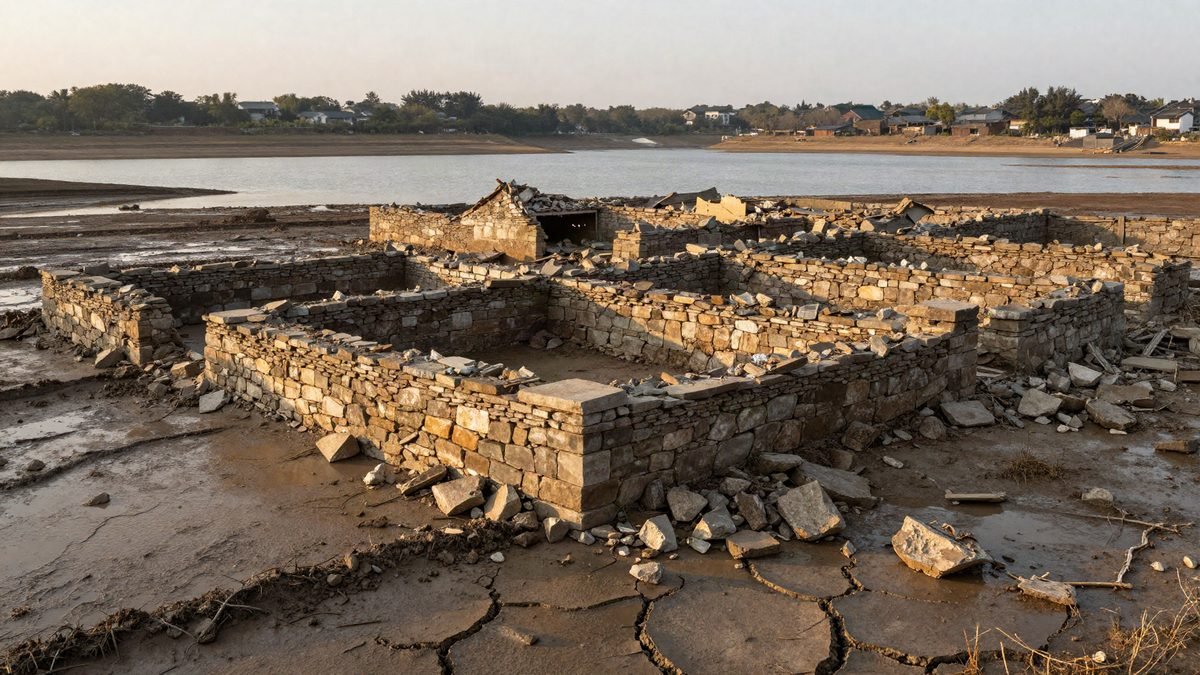
The visible symptoms are multiplying — from reservoir levels low enough to expose the lost village beneath Rutland Water to wildfire warnings on heathland. July was the driest on record in parts of the Midlands and East.
The infrastructure question
Every prolonged drought revives the same uncomfortable fact: no major reservoir has been completed in England since the 1990s, while the population has grown by millions. Anglian Water has two new reservoirs in the planning pipeline — in the Fens and South Lincolnshire — but neither will hold water before the 2030s.
In the meantime the company is fixing leaks, moving water around its network and asking customers to cut usage: shorter showers, full washing machines, and letting lawns go brown. Lawns recover, as the campaign slogan has it; rivers take longer.
What happens next
Temporary Use Bans lift only when water resources genuinely recover, which realistically means sustained autumn and winter rainfall rather than a single wet week. Customers should expect the restrictions to run for months rather than weeks — and a dry winter would raise the spectre of tighter measures next year.
The Environment Agency's drought status reviews and Anglian Water's own updates remain the places to watch. Until then, the region's gardens are on bucket duty.
Sources & verification
- Anglian Water — primary reporting and official updates
- Reporting reviewed on 13 August 2026; figures as published at that time
Filed under UK News · Written by Eleanor Whitfield