Drought reveals the lost village of Nether Hambleton beneath Rutland Water, 50 years after it was flooded
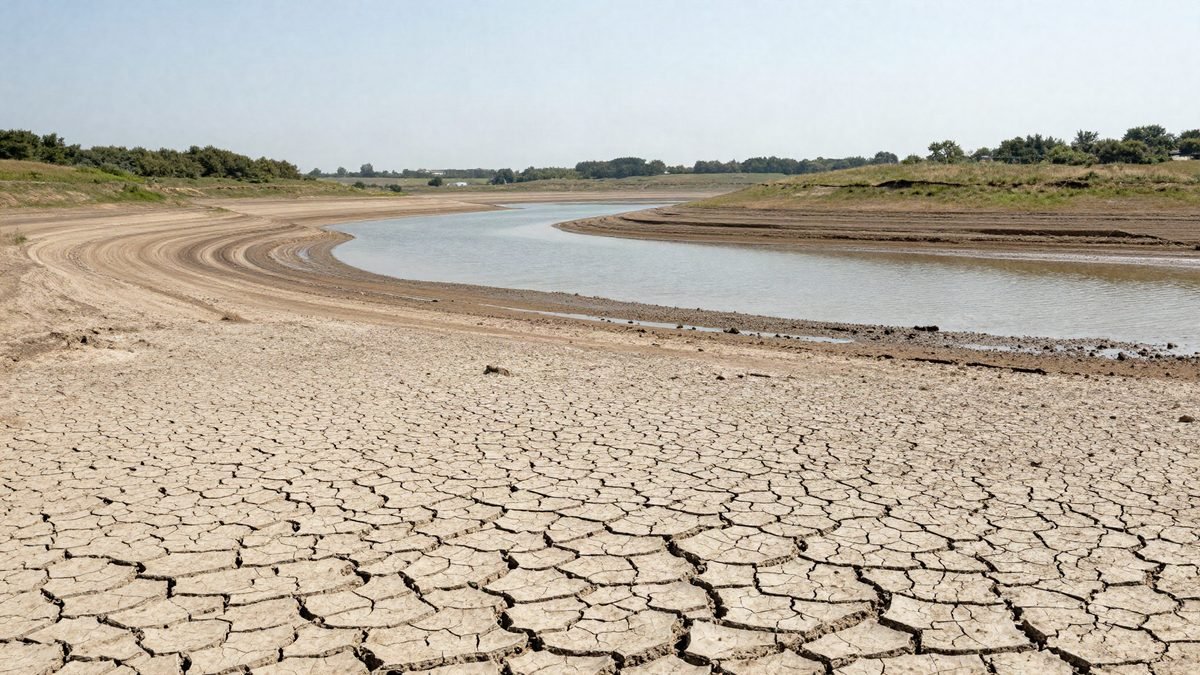
Exceptionally low water levels have exposed the stone foundations of Nether Hambleton, the village demolished half a century ago to create what was then Europe's largest man-made lake — as the East Midlands formally enters drought status.
UK News & Politics Editor ·
Why it's trending
Images of the drowned village re-emerging from the reservoir have captivated searchers as the East Midlands becomes the latest region to declare drought.
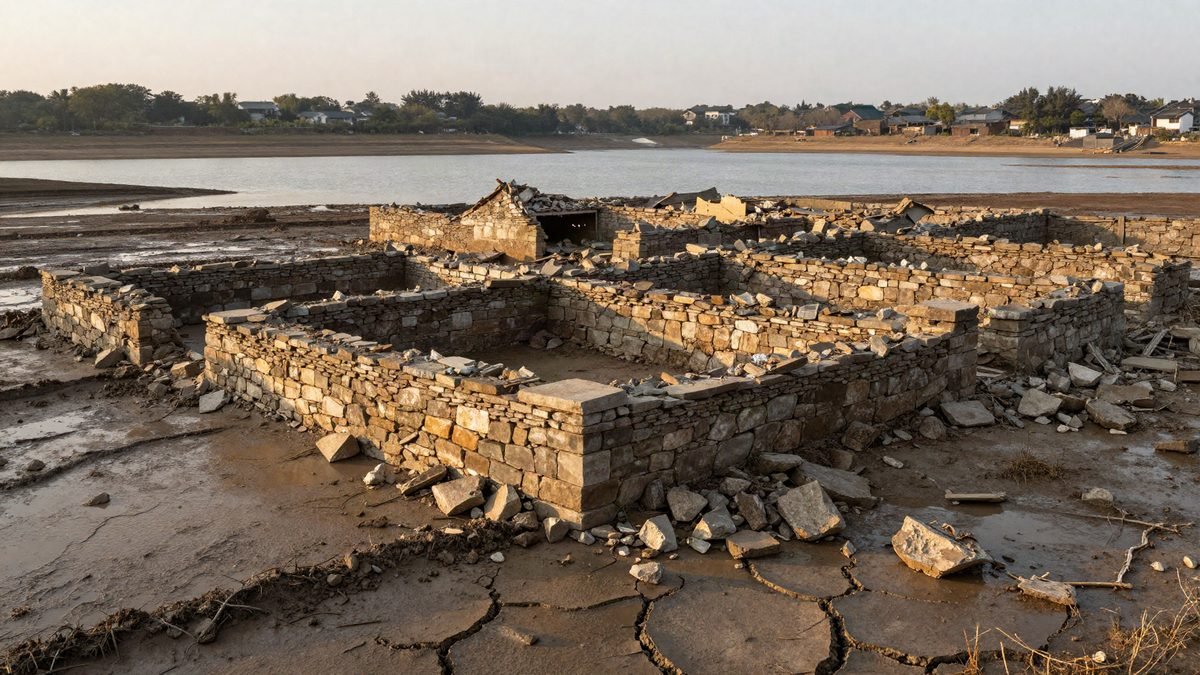
Half a century after it vanished beneath the waters of Rutland Water, the village of Nether Hambleton is back in the daylight. Exceptionally low water levels at the reservoir — driven by England's relentless run of dry weather — have exposed stonework and foundations of the buildings demolished when the valley was flooded in the 1970s.
The eerie reappearance, reported by ITV News and shared widely in recent days, has turned the reservoir into an accidental heritage site just as the East Midlands formally entered drought status on Monday, after five consecutive months of below-average rainfall and the driest spring-and-summer stretch since 1995 — with July the driest on record.
At a glance
- Stonework and foundations of Nether Hambleton exposed by exceptionally low water levels
- The village was demolished and flooded in the 1970s to create Rutland Water
- The reservoir, finished in 1976, was Europe's largest man-made lake at the time
- More than 3,000 acres were flooded; the reservoir reaches 34 metres at its deepest
- The East Midlands entered drought status on Monday after the driest spring and summer since 1995
The village that drowned
Nether Hambleton was one of the settlements sacrificed when the Gwash valley near Empingham was dammed to create what was then Europe's largest man-made lake. Construction finished in 1976, and it took a further three years for the waters to rise fully, swallowing more than 3,000 acres of Rutland countryside.
Most buildings were demolished before the flooding, leaving foundations, wall lines and rubble on the valley floor. Neighbouring Upper Hambleton survived on higher ground — today's Hambleton Peninsula, whose road runs where villagers once looked down on their doomed neighbour.
What the water has revealed
With the reservoir — 34 metres deep at its maximum — drawn far below its normal summer line, the receding shoreline has uncovered the village's stone skeleton: footings, boundary walls and the rough geometry of buildings that last stood in the age of flared trousers.
For older residents the sight is charged; one former villager told the BBC in earlier low-water years that they never expected to see their submerged house again. For everyone else it is irresistible — a real-life Atlantis a short walk from the car park, provided visitors heed warnings about the treacherous exposed mud.
The drought behind the spectacle
The archaeology is a symptom. Anglian Water, which operates Rutland Water as a strategic reserve for the East of England, is managing the same shortfall that has put more than five million customers under a hosepipe ban since July — the region's first since 2012.
Rutland Water exists precisely for dry years: it was built in the 1970s to secure supplies for the growing East. That its own levels have fallen far enough to expose the village it consumed is the neatest possible illustration of how severe this drought has become.
A recurring English ritual
Drought reveals drowned England with grim regularity: past dry summers have exposed Derwent village in Derbyshire's Ladybower reservoir and church remains elsewhere. Each reappearance triggers the same cycle — fascination, pilgrimage, safety warnings and, ideally, reflection on the infrastructure bargain these valleys represent.
The 1970s reservoir builders flooded villages because the alternative was taps running dry. Fifty years on, with no major English reservoir completed since the 1990s, the argument they settled is open again.
What happens next
Barring a dramatically wet autumn, the remains are likely to stay visible for weeks, and Rutland Water's visitor operation is braced for curious crowds. Anglian Water urges walkers to stay off the exposed lakebed mud, which is deeper and softer than it looks.
When the rains return, Nether Hambleton will slip back under the surface — until the next drought lifts the curtain again. The village, it turns out, was never quite gone. It was waiting.
Sources & verification
- ITV News — primary reporting and official updates
- Reporting reviewed on 13 August 2026; figures as published at that time
Filed under UK News · Written by Eleanor Whitfield