Bev Craig Wins Greater Manchester Mayoral Election: What the Result Says About Labour After Burnham
The result is the first major electoral test since Burnham entered Downing Street and offers clues about Labour's coalition, local identity and fragmented…
UK News & Politics Editor ·
Why it's trending
The result is the first major electoral test since Burnham entered Downing Street and offers clues about Labour's coalition, local identity and fragmented party competition.
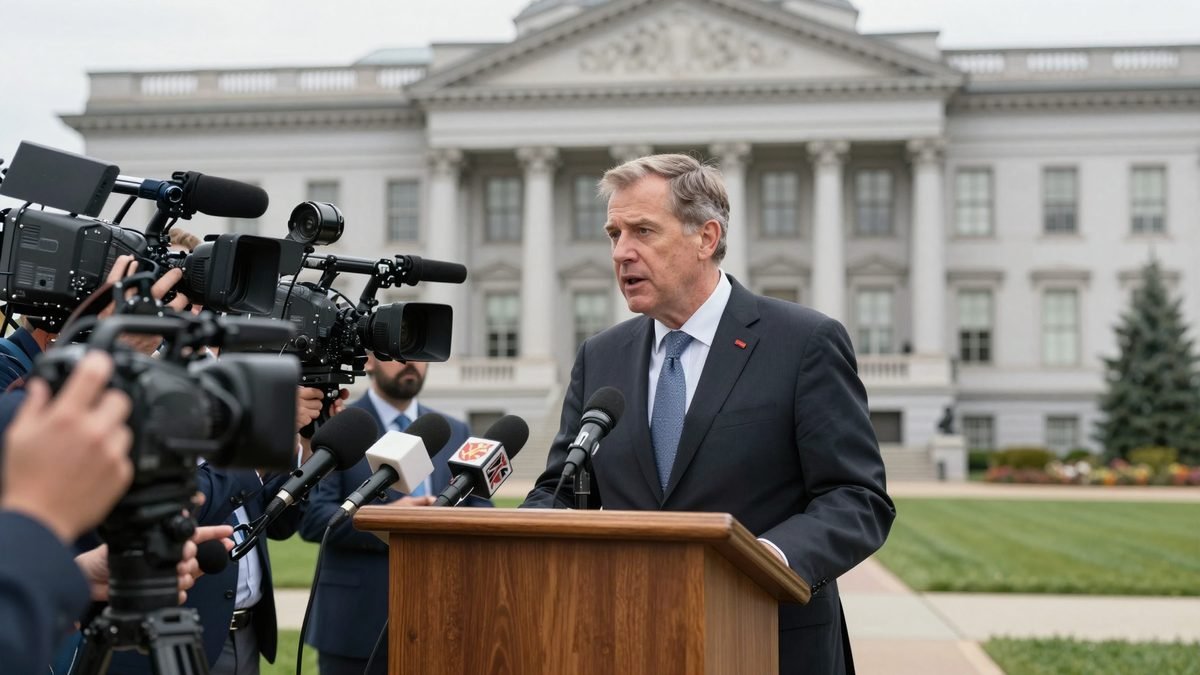
Greater Manchester has chosen a new mayor after Andy Burnham's move from city hall to Downing Street. Bev Craig's victory maintains continuity in the region's leadership, but the voting pattern reveals a more competitive and fragmented political landscape than Burnham's previous landslides suggested. This development is part of the UK news agenda for the week from 27 July to 2 August 2026. It is receiving attention because the result is the first major electoral test since Burnham entered Downing Street and offers clues about Labour's coalition, local identity and fragmented party competition.. The essential task is to separate confirmed facts from interpretation, explain the practical effect and identify what readers should verify before acting on the information.
The result and the voting system
Under the supplementary vote, voters could state a first and second preference. Because no candidate passed 50% initially, second preferences became decisive, rewarding a candidate able to attract support beyond a single party base. That context changes how the headline should be understood. The long-term test is whether the measure changes behaviour and outcomes after the news cycle moves on. Early statistics can be volatile, while benefits and problems may appear months later. Editors should plan follow-up coverage of Greater Manchester mayor election 2026 around implementation dates, spending reviews, official evaluations and testimony from affected groups. That turns a launch article into accountable public-service journalism.
The Burnham inheritance
Craig inherits established transport, housing and economic programmes as well as strong expectations created by her predecessor. She must show independence while working with a prime minister whose political identity remains closely tied to the city region. The operational detail is where the story becomes useful to readers. The distinction between an announcement and an operating policy is important here. Ministers can change the political direction quickly, but delivery normally depends on budgets, statutory authority, civil-service instructions and organisations outside Whitehall. For Greater Manchester mayor election 2026, the strongest future evidence will be published guidance, measurable milestones and independent scrutiny rather than the volume of launch-day coverage. Readers should therefore separate the confirmed decision from the assumptions being made about its eventual impact.
Why 47% matters
A large first-round lead is still a strong performance, yet the difference from Burnham's past totals shows the value of incumbency, profile and personal brand. Labour cannot assume a national polling bounce converts automatically into local dominance. This is also the point at which different interests begin to diverge. The distributional question deserves equal attention. A national policy can create different outcomes by region, income, age, disability or institutional capacity. Coverage of Greater Manchester mayor election 2026 should ask who receives the immediate benefit, who carries administrative or financial risk and whether protections exist for people who are least able to navigate a new system. Those questions are not objections to change; they are the practical test of whether reform works fairly.
Progressive second preferences
The flow of support from Green, Liberal Democrat and other left-of-centre voters suggests tactical cooperation within a fragmented bloc. Whether that pattern can be repeated under first-past-the-post at a general election is a separate question. The next stage will reveal whether the stated objective is realistic. There is also a governance issue. Responsibility may be shared between central departments, regulators, councils, mayors, employers or service providers, and unclear hand-offs are a common source of delay. A credible programme needs named decision makers, transparent reporting and a route for complaints or correction. In the case of Greater Manchester mayor election 2026, scrutiny should follow the delivery chain instead of assuming that a statement from No 10 automatically changes practice everywhere.
The regional policy agenda
The new mayor will face bus reform, housing supply, policing, skills and the practical consequences of fiscal devolution. Her relationship with No 10 will be scrutinised for signs of privileged access or, conversely, pressure to demonstrate independence. For publishers, precision on timing and scope is particularly important. Political incentives will shape the next stage. The government wants visible evidence that a new prime minister has changed priorities, while opposition parties have reasons to emphasise cost, competence or unintended consequences. The useful reporting task is to test both sides against documents and outcomes. Greater Manchester mayor election 2026 may remain popular as an idea even if implementation becomes contested, so the article should keep policy substance separate from party strategy.
The wider electoral lesson
The result offers evidence for both Labour optimism and caution. The party retained a flagship office, but it needed a broad coalition. Future contests may turn on second choices, candidate credibility and local delivery more than national labels. The wider significance extends beyond the immediate announcement. Cost and capacity are likely to decide whether the promise lasts. New rights and services can fail when funding is temporary, staff are unavailable or digital systems are not ready. Equally, a targeted intervention can deliver value when it replaces fragmented spending and gives organisations certainty. Reporting on Greater Manchester mayor election 2026 should track total cost, funding source, workforce requirements and the assumptions behind any savings claim.
What happens next
The next update on Greater Manchester mayor election 2026 should be judged against the specific commitments and dates already published. Readers should watch for formal guidance, revised platform listings, implementation data, court or parliamentary developments, and statements from organisations directly responsible for delivery. Final official vote totals should be checked against the returning officer. Clearly label opinion analysis as analysis rather than fact. The article should therefore be refreshed immediately before publication and again when the first measurable outcomes are available.
Sources & verification
- The Guardian - analysis of Greater Manchester mayoral result
Filed under Politics · Written by Eleanor Whitfield