Plaid Cymru's Historic Senedd Victory Ends a Century of Welsh Labour Dominance
Plaid Cymru's win in the 2026 Senedd election ended more than a century of Labour being the largest party in Wales. Here is how it happened and what it means for Welsh and UK politics.
UK News & Politics Editor ·
Why it's trending
The result is one of the most significant shifts in modern Welsh political history. Ending Labour's long dominance reshapes the government of Wales and adds to a picture of nationalist and non-Labour parties leading all three devolved administrations.
The end of a long era
For more than a century, Labour was the largest party in Wales, a fixture of its political identity through industrial change, devolution and successive UK governments. The 2026 Senedd election broke that pattern, with Plaid Cymru emerging as the largest party and bringing the era of automatic Labour primacy to an end.
Results of this kind are rare and revealing. They usually reflect not a single cause but the accumulation of many: fatigue with long-standing incumbents, shifting demographics, the record of the UK government, and the ability of a challenger to present itself as a credible alternative rather than a protest vote.
How Plaid Cymru made the breakthrough
Plaid Cymru's advance combined a distinctively Welsh appeal with a pitch on public services and the cost of living. As the traditional governing party, Labour carried the weight of incumbency and of decisions made at both the Welsh and UK level, giving challengers an opening to argue for change.
Electoral reform of the Senedd, which changed the size and voting system of the institution, also shaped the outcome. New systems can alter how votes translate into seats and create opportunities for parties able to organise effectively under the new rules.
Forming a government
Being the largest party is not the same as commanding a majority. Welsh governance often involves negotiation, and Plaid Cymru's ability to govern depends on the arithmetic of the new Senedd and its willingness to work with others. Coalition, cooperation agreements or minority government are all possibilities.
The early choices matter. How a new administration handles its first budget, its relationships with other parties and its dealings with Westminster will set the tone. Governing is harder than campaigning, and the transition from opposition to office tests every incoming party.
What it means for Wales
A change of governing party opens the door to different priorities on health, education, the economy and the Welsh language. Voters will watch whether the new government can deliver visible improvements, particularly on public services where pressures are acute across the UK.
There is also the question of Wales's constitutional direction. Plaid Cymru's long-term aspiration for greater self-government, and ultimately independence, gives its rise a significance beyond day-to-day policy, even if immediate governing choices are necessarily more practical.
The UK-wide picture
The Welsh result does not stand alone. With nationalist or non-Labour parties leading in Scotland and Northern Ireland as well, the devolved map now looks strikingly different from Westminster. That changes the dynamics of intergovernmental relations and the management of the union.
For the UK government, a more assertive set of devolved administrations means more negotiation and less ability to assume alignment. Bodies designed to coordinate across the nations become more important, and disputes over funding and powers are likely to feature more prominently.
The changed shape of the Senedd
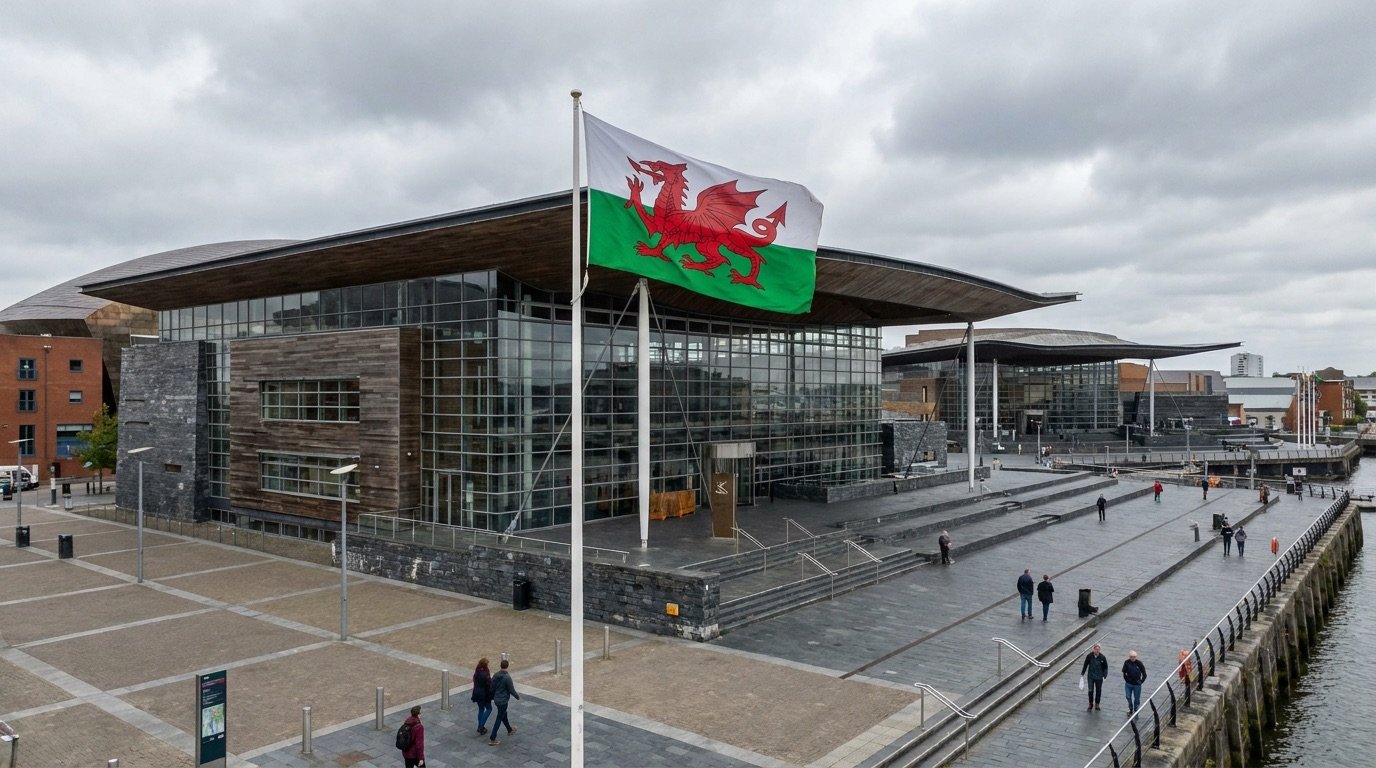
The 2026 election was the first held under a reformed Senedd, which was enlarged and elected under a revised voting system. Changes of this kind reshape the political landscape, altering how votes translate into seats and creating new opportunities and challenges for every party. Plaid Cymru's success unfolded within this new framework, which will shape Welsh politics for years to come.
A larger Senedd also changes how Wales is governed, with more members to scrutinise the government and staff its committees. Supporters argued the expansion was needed to match the Senedd's growing powers; critics questioned the cost. Either way, the institution that Plaid Cymru now leads is a more substantial body than the one Welsh Labour dominated for so long.
Governing amid UK-wide pressures
A new Welsh government inherits the same daunting pressures facing administrations across the UK: strained health and care services, tight budgets and the lasting effects of economic turbulence. Electoral success does not soften these constraints, and Plaid Cymru will be judged on how it manages them with the powers and money available to it.
Much will depend on the relationship with Westminster, particularly over funding. A Welsh government led by a party seeking greater self-government has both an incentive to press for more resources and powers and a responsibility to deliver competent day-to-day administration. Balancing the constitutional ambition with the demands of governing is the central challenge of its term.
What to watch next
The immediate focus is on how the new Welsh government is formed and what it prioritises. Beyond that, watch how it manages relations with Westminster, how it uses any new powers, and whether it can convert electoral success into effective governance.
Plaid Cymru's victory is a landmark in Welsh history, but its meaning will be defined by what follows. Elections change who holds office; whether they change the country depends on what that office is used to do.
Sources & verification
- Institute for Government - Local and devolved elections 2026
- Senedd Cymru - election results and government formation
- BBC Wales - 2026 Senedd election coverage
Filed under Politics · Written by Eleanor Whitfield
You may also like to read