Bullseye Revival: Freddie Flintoff Hosts the Classic's Return
Revival feature · Super, smashing, great — a British classic returns
Culture & Features Editor ·
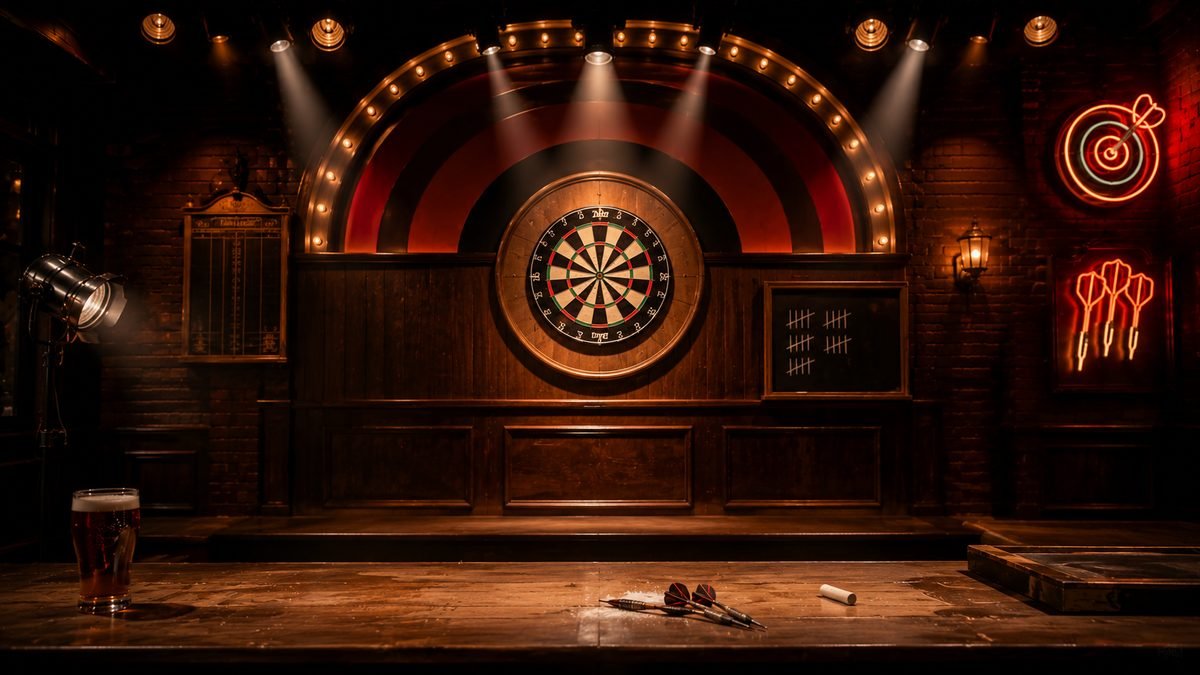
Some television formats are too beloved to stay retired. Bullseye, the darts-and-quiz institution that lit up British screens in the 1980s, has been brought back for a second revival series, with cricketing hero-turned-broadcaster Freddie Flintoff hosting and on the lookout for new contestants. For a certain generation it is a nostalgic thrill; for a new one, it is a chance to discover why "you can't beat a bit of Bullseye" became a national catchphrase. Here is why the revival matters.
The original Bullseye was a peculiarly British masterpiece — an unlikely marriage of pub darts and general-knowledge quizzing, presided over with warmth and cheeky humour. Contestants paired a darts player with a quiz partner, answering questions and throwing darts to accumulate points and prizes. The format was studded with iconic elements that lodged themselves permanently in the national memory: the pursuit of "Bully's special prize," the perennial temptation to gamble winnings, and the bittersweet reveal of the star prize that losing contestants had just missed out on — often a speedboat, memorably impractical for the many landlocked winners who never claimed it. It was gentle, funny, and utterly of its time, yet somehow timeless.
Reviving it is a smart piece of programming that taps into two powerful currents at once. The first is nostalgia — the deep affection audiences hold for the classic formats of the past, and the comfort of seeing a cherished show return. The second is the enduring appeal of the format itself: the combination of darts and quizzing remains genuinely entertaining, blending physical skill with knowledge in a way that few other shows attempt. It is a format that works on its own merits, not merely as a nostalgia exercise.
Freddie Flintoff is an inspired choice of host. A national sporting hero with genuine warmth, easy charisma and a proven television presence, he brings both broad appeal and the down-to-earth, matey quality that the show has always traded on. Bullseye was never slick or aloof; it was warm, inclusive and a little bit silly, and a host who embodies those qualities is essential. Flintoff's everyman charm fits the format's pub-friendly spirit perfectly, bridging the gap between the show's nostalgic roots and a contemporary audience.
The revival is being made for ITV/STV, and the fact that it has been commissioned for a second run tells its own story: the returning format has evidently found an audience, justifying the decision to bring it back and keep it going. That is no small achievement for a revival, many of which flare briefly and fade. A second series suggests Bullseye has struck a genuine chord, proving that the appetite for the classic format was real and not merely a wave of one-off nostalgia.
Crucially, the show is on the hunt for contestants, opening the door for a new generation of darts-and-quiz hopefuls to step up to the oche. Part of Bullseye's charm has always been its everyman quality — ordinary members of the public, often local characters with real personality, trying their hand at the game. That casting of genuine, relatable contestants is central to the format's warmth, and the search for new players promises to keep that spirit alive.
What makes the revival more than a mere throwback is the way the format's core pleasures translate intact to a modern audience. The tension of a crucial dart, the satisfaction of a correct answer, the agonising gamble decisions, the reveal of prizes won and lost — these are timeless sources of drama and delight that need no updating. The show's structure, blending skill and knowledge with a healthy dose of luck and risk, remains as engaging as it ever was. Nostalgia may open the door, but it is the format's genuine entertainment value that keeps viewers watching.
There is also something heartening about the broader trend the Bullseye revival represents — a willingness to look back at the rich history of British television and recognise that some formats were simply too good to leave in the past. In an age of high-concept new reality shows, there is real appeal in the straightforward pleasures of a classic game show done well: clear rules, likeable contestants, a warm host, and the timeless drama of competition.
So the dartboard is back on the wall, the questions are ready, and Freddie Flintoff is presiding over a fresh run of one of Britain's most fondly remembered formats. For those who grew up with it, the revival is a warm wave of nostalgia; for newcomers, it is an introduction to a genuinely entertaining format that has stood the test of time. Either way, the message is the same one the show has always delivered with a grin: keep out of the black, into the red, get nothing for two in a bed — and remember, you really can't beat a bit of Bullseye. Super. Smashing. Great.
Filed under Reality TV · Written by Sophie Bennett
You may also like to read