ITV's New Game Show: Secret Celebrity HQ & £30,000 Prize
Behind the twist · ITV's prank-meets-quiz format, explained
Culture & Features Editor ·
Every so often a game show comes along with a premise so cheeky it makes you grin before you have even seen an episode. ITV's dazzling new format is exactly that: a competition in which the contestants believe they have signed up for one thing, blissfully unaware that a hidden headquarters full of famous faces is secretly pulling the strings behind the scenes — and, crucially, working to help them win. With a £30,000 prize pot on the line and a celebrity line-up including Joel Dommett, Sam Thompson, Judi Love and GK Barry, it is one of the most intriguing entertainment swings of the year.
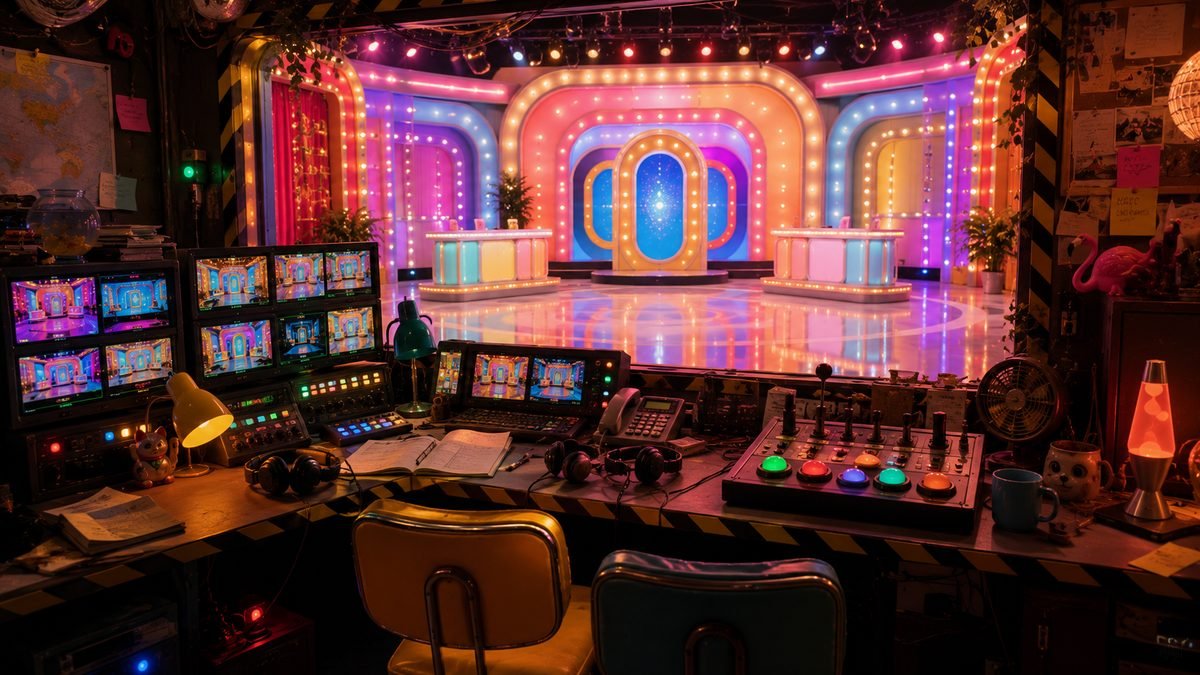
The set-up. The contestants think they are taking part in a wholesome, straightforward series. What they do not know is that everything around them is being orchestrated from a covert control room, where a team of well-known personalities watches, schemes and intervenes. It is the architecture of a hidden-camera prank show, welded to the structure of a competition — and the result is a format where the audience is let in on a secret that the players themselves have no idea exists.
Why that dramatic irony matters. This is the format's masterstroke. Dramatic irony — the audience knowing something the participants do not — is one of the most reliable engines in entertainment, and here it powers the entire show. Viewers get the delicious pleasure of watching contestants navigate a world that has been quietly rigged around them, reacting sincerely to situations that the secret HQ has engineered. Every genuine reaction becomes funnier, and every near-miss more tense, because we know exactly what is going on and they do not.
The benevolent twist. What sets this apart from a straightforward prank show is that the hidden celebrities are not there to humiliate anyone. They are secretly pulling the strings to help the contestants win the prize pot. That flips the usual dynamic of hidden-camera entertainment entirely. Instead of cringing at someone's misfortune, viewers are rooting for the contestants alongside the celebrities, watching a covert team work to steer ordinary people toward a £30,000 payday. It is a prank format with a heart — mischief in service of generosity — and that tonal choice makes it far warmer and more inclusive than the genre's more mean-spirited cousins.
The celebrity HQ. The casting is a statement of intent. Joel Dommett brings polished presenting chops and a gift for playful mischief; Sam Thompson offers boundless, chaotic energy; Judi Love delivers sharp wit and infectious warmth; and GK Barry supplies unfiltered comic commentary and a strong younger-skewing following. Together they form a control room built for comedy — a group whose banter, bickering and scheming is likely to be as entertaining as anything happening out in the field. The HQ is not just a plot device; it is a second show running in parallel, and the interplay between the two is where much of the fun should live.
Two shows in one. That parallel structure is the format's real innovation. On one level you have the contestants' sincere, earnest journey through the competition. On the other you have the celebrities' knowing, comedic commentary and interventions. The show cuts between the two, generating comedy from the gap — the contestants' unwitting responses set against the HQ's frantic scheming. It offers viewers two distinct pleasures at once, and gives the format flexibility to pivot between heartfelt and hilarious.
The stakes. The £30,000 prize pot keeps the competition grounded. It is real money for real people, which means the contestants' efforts carry genuine weight and the celebrities' interventions have actual consequences. Without stakes, a prank format is just a series of gags; with them, there is a competition worth caring about, and the HQ's mission to help the players win acquires real purpose.
Where it fits. The format arrives amid a wave of ambitious new British entertainment shows built on high-concept twists, and it stands out by combining several proven ingredients in a fresh configuration: the hidden-camera thrill, the celebrity panel, the ordinary-people competition, and the feel-good generosity of a show that wants its contestants to succeed. It is engineered for broad family appeal and for the clip-friendly moments that travel well online.
The verdict. On paper, this is a smart and genuinely novel idea. Its success will hinge on execution — on whether the secret interventions are inventive enough, whether the celebrity HQ's chemistry sparks, and whether the contestants' reactions deliver the comedy the premise promises. But the fundamentals are strong: a cheeky, warm-hearted hook, a stellar comedic line-up, and a prize worth fighting for. Contestants think they are on a wholesome show; in fact, they are the unwitting stars of a beautifully orchestrated conspiracy — one designed, delightfully, to make them win. The cameras are hidden, the celebrities are scheming, and the audience is in on the whole thing. That is a very good place for a game show to start.
Filed under Reality TV · Written by Sophie Bennett