Race Across the World: Why the Travel Race Is Must-Watch TV
Why it works · The travel race that quietly became must-watch TV
Culture & Features Editor ·
In an age of ever-more-elaborate reality formats, Race Across the World has become one of British television's most acclaimed shows by stripping everything back. No phones. No flights. No luxury. Just pairs of travellers racing across vast distances on a limited budget, and the extraordinary journeys — physical and emotional — that result. As the multi-award-winning BBC format continues to captivate audiences, it is worth examining exactly why this deceptively simple premise has struck such a deep chord.
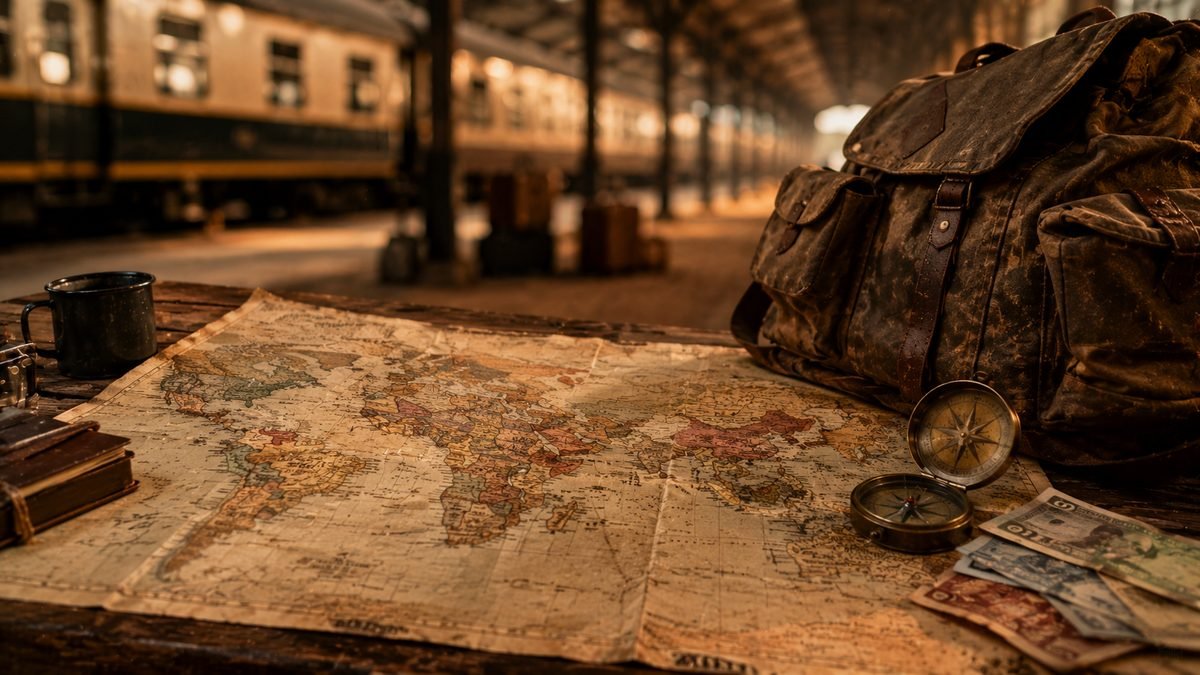
The concept is bold in its restrictions. Pairs of contestants race from one side of a continent to the other, aiming to reach a series of checkpoints and, ultimately, a final destination. The catch is the rules: no air travel, and a strict budget that is a fraction of what the equivalent journey would cost by plane. Contestants must surrender their phones, cutting them off from the digital tools modern travellers take for granted — no navigation apps, no instant translation, no online booking. They travel overland by whatever means they can afford and arrange, working with paper maps, local knowledge and their own wits, and can even take on work along the way to earn extra money when funds run low.
Those restrictions are the whole point, and they are what make the show soar. By stripping away flights, phones and comfort, Race Across the World forces a kind of travel that has become rare: slow, immersive, unpredictable, and genuinely dependent on the kindness and cooperation of strangers. Contestants must engage with the places they pass through and the people they meet, navigating unfamiliar cultures and languages face to face. The result is a far richer, more authentic portrait of a region than any glossy travelogue — a journey through the real texture of a continent, seen at ground level.
But the genius of the format is that the race is only half the story. The other half — and the real heart of the show — is the relationships between the travelling pairs. Contestants race in twos, often family members or close friends, and the pressures of the journey become a crucible for their relationship. Estranged relatives find their way back to one another; parents and adult children navigate shifting dynamics; long-held tensions surface and, frequently, resolve. The physical journey across a continent becomes a metaphor for an emotional one, and the show mines that beautifully, delivering moments of genuine, unforced emotional power.
That emotional depth is what elevates Race Across the World from a travel competition into something more profound. Viewers become invested not just in who will win, but in the personal journeys unfolding along the way — the reconciliations, the revelations, the growth. It is a show about people as much as places, about how shared adversity and enforced togetherness can transform a relationship. The competitive element provides structure and stakes, but the emotional storytelling provides the soul.
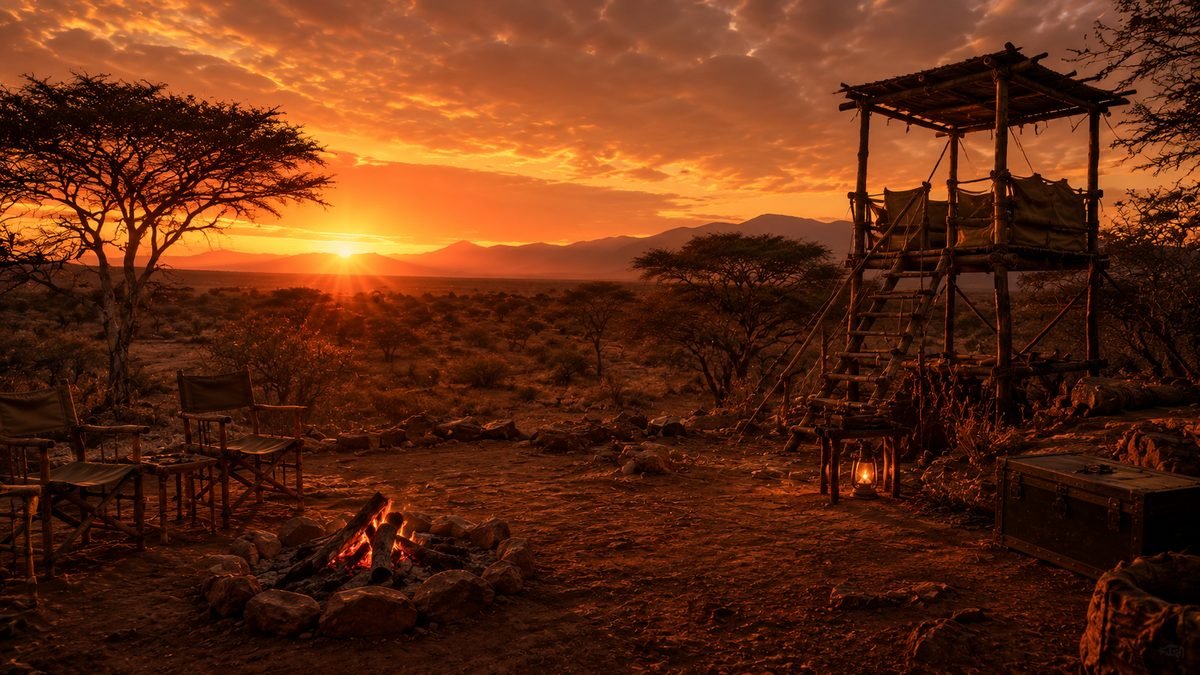
There is a strong element of aspiration and escapism, too. For armchair travellers, the show offers a vicarious adventure through spectacular and often lesser-seen parts of the world, showcasing landscapes, cultures and human encounters of real beauty and diversity. It inspires wanderlust while celebrating a mode of travel — unhurried, curious, human — that feels increasingly precious in a hyper-connected age. In an era of overtourism and Instagram itineraries, there is something quietly radical about a show that champions slow, meaningful, off-the-beaten-track exploration.
The format also generates natural, unforced drama without any need for manufactured conflict. The jeopardy is real and organic: a missed connection, a dwindling budget, a language barrier, a wrong turn that costs precious hours. Every decision carries genuine consequences, and the tight budget means constant, high-stakes choices about routes and spending. This authentic tension, arising from the genuine challenges of the journey rather than producer-engineered contrivance, is far more compelling than any confected villa drama — and it is part of why the show has earned such critical acclaim.
Its success reflects a broader appetite for authenticity in reality television. In a genre often criticised for artifice, Race Across the World offers something real: real travel, real challenges, real relationships tested and often strengthened. That authenticity, combined with genuine emotional depth, spectacular scenery and organic drama, has made it a standout — a critical and popular hit that has redefined what reality television can be.
As the format continues, viewers can expect exactly what has made it so beloved: an epic overland journey through a stunning region, pairs of travellers pushed to their limits and drawn closer together, and the constant tension of a race run on wits and a shoestring. There will be breathtaking scenery, unexpected kindness from strangers, moments of frustration and triumph, and — reliably — at least one emotional revelation that reminds you why this quiet, phone-free, flight-free travel race quietly became must-watch television. Pack light. The world is waiting.
Filed under Reality TV · Written by Sophie Bennett